Rutendo Nyeve and Trust Freddy, Zimpapers Reporters
ZIMBABWE’S cement industry is poised for significant expansion, with new investments expected to increase installed production capacity to 5,6 million tonnes per annum by the end of 2027, as national demand surges by 150 percent amid a sustained construction boom.
National cement demand has grown from approximately one million tonnes in 2018 to an estimated 2,5 million tonnes this year, outstripping actual domestic production of 1.6 million tonnes and exposing supply gaps during peak construction periods.
Government is implementing urgent measures to stabilise supplies and prices, including engaging Treasury to consider temporarily removing the surtax on cement imports, expediting border clearance procedures and ensuring manufacturers stagger their annual maintenance shutdowns.
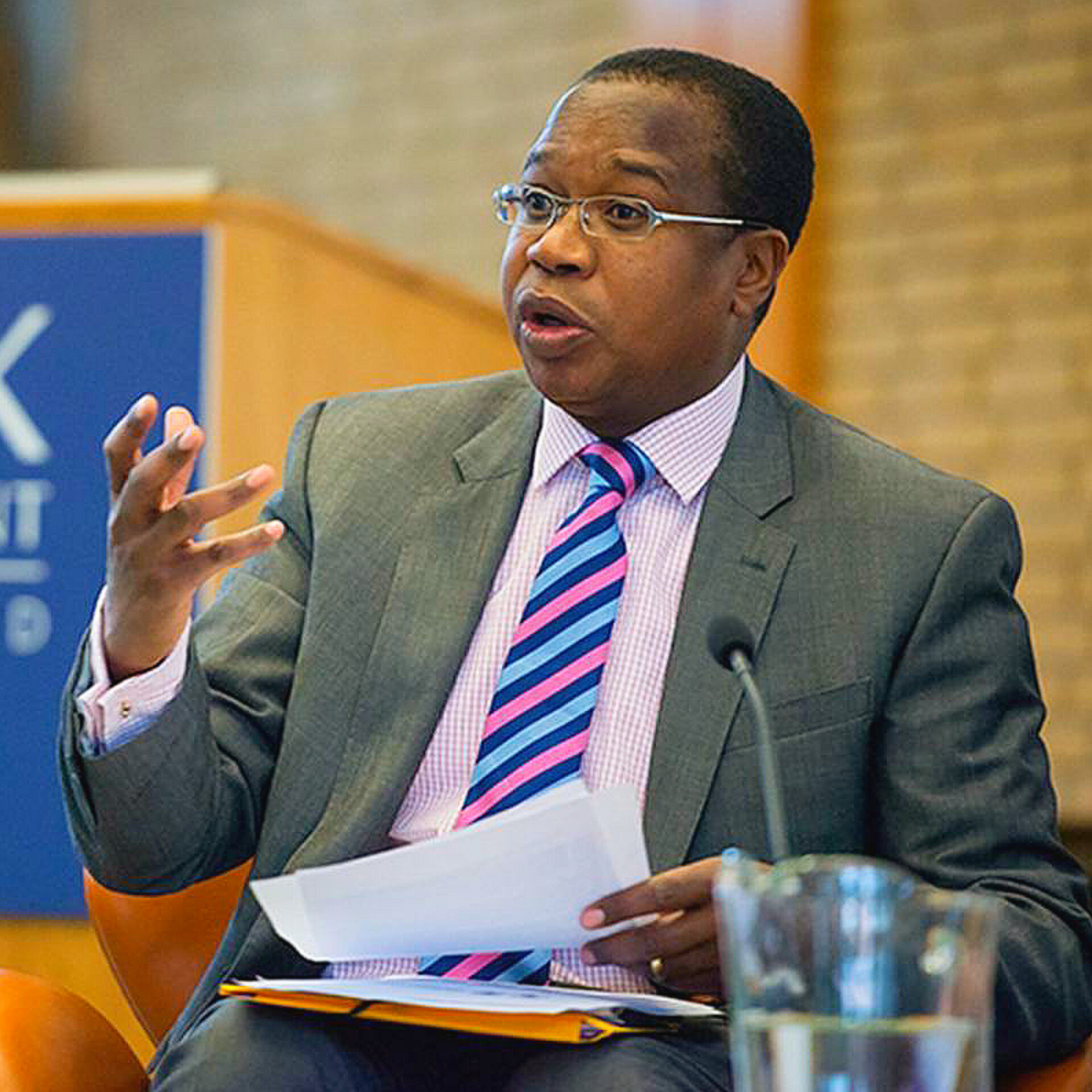
Presenting a ministerial statement on the cement industry in the National Assembly, Industry and Commerce Minister Nqobizitha Ndlovu said the sector currently has an installed capacity of 3,6 million tonnes per annum and employs approximately 3 000 people.
“However, with the entry of new industry players, installed capacity is projected to increase to 5,6 million tonnes per annum by the end of 2027, further strengthening the sector’s production capacity,” he said.
Dinson Iron and Steel Company is among the latest investors preparing to enter the market after completing test runs, with commercial production expected to commence next week.
“We have Dinson Iron and Steel Company that has made great strides having already completed test runs and will commence production of their cement. In fact, we expect them to start producing cement next week,” Minister Ndlovu said.
Other investments include West International Holdings Zimbabwe (WIHZim), Shuntai Investments, Shuntai and Broxman, which are at various stages of establishing cement manufacturing operations across the country.
Minister Ndlovu attributed the surge in demand to extensive public and private infrastructure development, including road rehabilitation, dam construction, residential developments and commercial projects.
He said the Second Republic had witnessed a sustained construction boom across the country, resulting in a significant increase in national cement consumption.
However, domestic supply has struggled to keep pace, with provincial market surveys indicating that most large formal hardware distributors have exhausted their stocks, while replenishments from major suppliers remain limited.
Cement remains available through small and medium-sized enterprises, although at higher prices.
The shortages have been compounded by simultaneous maintenance shutdowns at major producers PPC Zimbabwe, Sino-Zimbabwe and Khaya Cement, alongside clinker shortages and logistical challenges.
Minister Ndlovu said Government was engaging manufacturers to stagger their annual maintenance programmes to prevent several production plants from going offline simultaneously.
To supplement domestic production, Government has issued import licences covering 603 400 tonnes of cement since January 2026, following 1 168 applications. It has also issued permits for approximately 500 000 tonnes of clinker since introducing an import management system in April.
The clinker is being sourced from Zambia, South Africa and Botswana, with local production currently limited to 58 000 tonnes per month by PPC and 15 000 tonnes by Sino-Zimbabwe.
The situation is expected to improve with the commissioning of Livetouch’s integrated clinker and lime plant in Mberengwa in December 2026, which will add 200 000 tonnes of clinker annually.
The Zhongjin Heli Project in Hwange has also installed its kiln, with production expected to commence in 2027.
“These investments will strengthen domestic clinker supply, reduce dependence on imports and help lower the cost of cement production,” Minister Ndlovu said.
On immediate market interventions, he said Government was engaging Treasury to temporarily remove the cement import surtax introduced in 2025, which has discouraged prospective importers.
“We have seen that some of the prospective importers of cement are then discouraged by the high cost of importing mainly because of the surtax that was introduced in 2025. We have engaged the Treasury to temporarily waive this to stabilise the price,” he said.
The Ministry is also engaging the Zimbabwe Revenue Authority (ZIMRA) to expedite the clearance of cement and clinker imports following serious bottlenecks at Chirundu Border Post over the past two weeks.
“We are also engaging ZIMRA to explore possible measures to expedite clearance of cement and clinker imports in the ports of entry,” he said.
Government is further strengthening market surveillance through inspections of producers and importers to curb speculative pricing, unjustified price increases and artificial shortages.
The industry’s expansion prospects are underpinned by strong market demand, with PPC Zimbabwe reporting a 5,4 percent increase in cement sales in the six months to September. Revenue rose 16,5 percent to US$124 million, while earnings before interest, tax, depreciation and amortisation increased by 56 percent to US$39 million.
PPC chief executive officer Mr Matias Cardarelli attributed the growth to demand from both public and private construction, highlighting the opportunities arising from Zimbabwe’s infrastructure development and property construction drive.