Online Reporter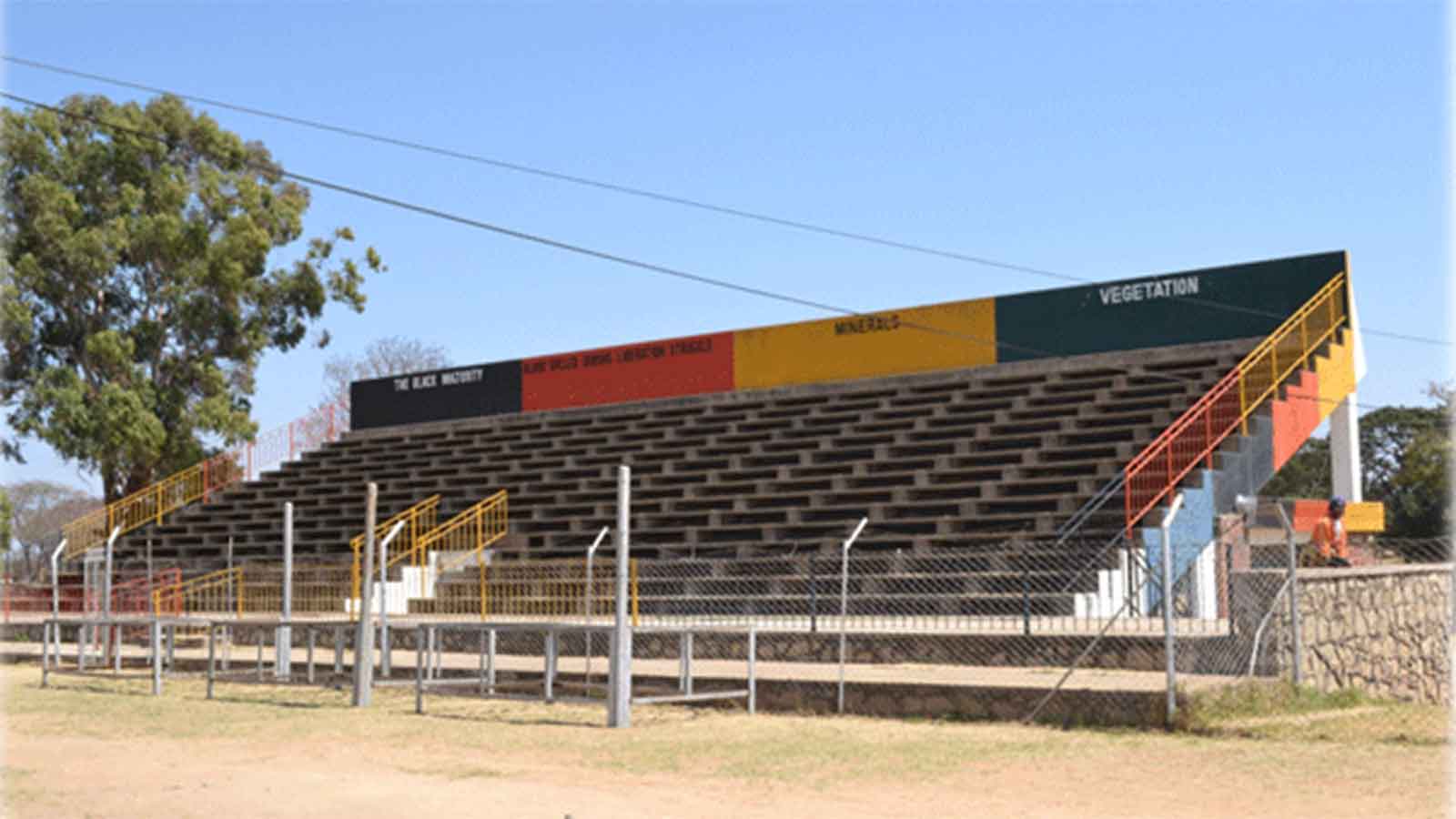
THIS week, as the Zimbabwe National Youth and Paralympic Games ended in Marondera, Rudhaka Stadium once again demonstrated why domestic sporting infrastructure is an imperative part of local development.
The stadium hosted two official ceremonies during the Games, staged women’s football and football for athletes with hearing impairments.
For several days, Rudhaka was a national sporting venue. And perhaps that is the point.
Across Zimbabwe, there are stadiums and sporting grounds sitting in our towns and cities that could play a much greater role in the development of sport, youth and communities if we were prepared to invest in them.
Rudhaka Stadium has certainly seen better days. To its credit, the local authority has continued to make a valiant effort to maintain what remains one of the stadium’s most valuable features: its renowned playing surface. But beyond the pitch lies a facility with considerable potential.
It has a single stand, has history, a community around it and with the right investment, it could grow into a formidable sporting venue.
The lesson from the recent modernisation and homologation of the National Sports Stadium is that rehabilitation of sporting infrastructure does not necessarily have to be the responsibility of one institution acting alone.
The transformation of the National Sports Stadium has demonstrated what can happen when Government, the Sports and Recreation Commission, the Zimbabwe Football Association and the corporate sector work towards a common objective. It is a model worth examining.
Not every stadium requires the scale of investment as was necessary for the National Sports Stadium.
But every community deserves sporting infrastructure capable of serving its young people.
And that is where local authorities come in. They own or control many of these facilities. They know their communities.
They know the local businesses operating around them, know the industries that have grown in their towns and the companies which employ local people and benefit from the economic activity generated in those communities.
The question is whether they are looking at their stadiums simply as maintenance burdens or as development assets.
That distinction, inspired and guided by the National Development Strategy 2, which signifies our resolve as a Nation to transition towards a Prosperous and Empowered Upper Middle-Income Society, could change everything.
An example that quickly comes to mind of is that of Chitungwiza’s Chibuku Stadium.
The name itself tells a story of a different era of corporate involvement in community sport.
While the corporate landscape may have changed, the stadium remains.
Around the country, the list goes on. Baghdad Stadium in Kwekwe. Chipadze in Bindura, Dulibadzimu in Beitbridge and numerous other municipal sporting grounds that once served as centres of community activity but now require varying degrees of rehabilitation.
These grounds should not be viewed simply as ageing pieces of infrastructure.
They are potential talent factories, community centres, commercial assets and, importantly, they are potential instruments of social development.
Zimbabwe’s sporting federations cannot identify tomorrow’s champions if young people do not have somewhere to play today.
The recent Youth and Paralympic Games reminded us of this and so do the on-going ZIFA Munhumutapa Challenge Cup and BancABC Roots Impact tournaments.
Talent exists in every corner of Zimbabwe.
The challenge is creating enough platforms for that talent to be seen. A properly maintained stadium in Kwekwe can provide a footballer with a pitch, a functioning athletics track can provide a sprinter with somewhere to train and run.
A refurbished sports ground in Beitbridge can give young people an alternative to spending their afternoons on the streets, A community facility can become a place where coaches work, clubs organise and families gather.
Sporting infrastructure therefore carries a value that goes well beyond the game itself. It can help communities confront some of the social challenges affecting young people.
A young person engaged in structured sport has an alternative to idleness. A sports club with swimming, boxing, netball, volleyball, squash and tennis courts, can provide belonging.
A functioning facility can create opportunities for coaches, officials, grounds staff, vendors and small businesses.
Sport can become a pathway away from substance abuse, criminal behaviour and other social ills.
It can also help keep children engaged in positive environments and contribute to efforts to prevent harmful practices such as child marriages. This is why investment in sporting infrastructure should not be treated as a luxury. It is an investment in communities.
The good news is that Government has already created an important incentive for the private sector by providing tax relief mechanisms for qualifying investment in infrastructure. The opportunity is therefore sitting on the table. What is required now is initiative.
Local authorities need to identify the facilities they have, assess their potential, develop credible investment propositions, then go out and find partners.
A stadium does not necessarily need to be rebuilt entirely by the local authority. A corporate partner might rehabilitate a stand. Another might invest in lighting. Another could support changing rooms, ablution facilities or training areas. A sporting federation could provide technical requirements.
The SRC can provide guidance within its mandate. Government can provide policy support and incentives.
And the local authority can bring all these interests together.
This is not an argument for every stadium to become the National Sports Stadium. It is an argument for every stadium to become the best version of itself. Each should be developed according to the needs of its community, the sports played there and the economic opportunities available.
What matters is that they work, and they are safe, maintained and accessible. And that young Zimbabweans can walk through their gates and find somewhere to play.
There is also a lesson here from the National Sports Stadium.
The successful rehabilitation of that facility did not happen because one organisation suddenly had all the answers.
It required coordination, commitment and resources. Sakunda Holding has been mentioned and commended as a key partner in this process. Most importantly, it required a recognition that the stadium was worth saving.
Our local authorities need to develop that same mindset. Their stadiums are worth saving. Their sporting grounds are worth investing in.
Their communities are worth the effort.
The World Cup-bound rugby Sables need players, the Warriors need players, so do the cricket Chevrons.
Our Olympic and Paralympic ambitions need athletes.
And many of those athletes will not be discovered in the capital.
They will be discovered somewhere in the provinces, on a municipal pitch, at a community sports ground or at a school facility.
Perhaps they are already there. We simply need to provide them with somewhere to be seen.
The Youth and Paralympic Games brought the country to Marondera. But the lessons should travel far beyond Marondera.
Every local authority should look at its sporting facilities and ask a simple question: What could this place become?
Then it should identify the partners who can help make that answer a reality.
Because a stadium is a platform for dreams, a meeting place for communities and a potential business opportunity.
It is a talent-identification centre and, in the hands of a forward-looking local authority, it can be an investment in the future of an entire town.
The National Sports Stadium has shown us what collective effort can achieve. Now the challenge is to take that lesson to every corner of Zimbabwe.
The future of Zimbabwean sport will not be built in one stadium. It will be built stadium by stadium, town by town, community by community. And the time to start is now.