Online Reporter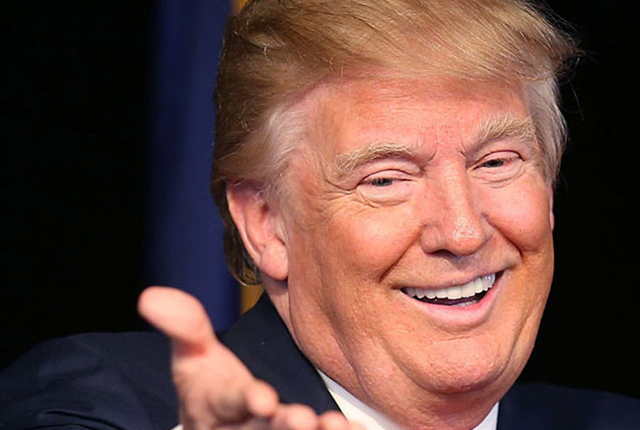
President Donald Trump made a provocative claim on Monday, asserting that the US media is deliberately choosing to overlook what he characterised as a “genocide” occurring in South Africa, allegedly targeting white farmers.
Trump’s comments came at a particularly notable moment when the first flight of white South African “refugees” was preparing to land at Dulles Airport. This arrival has drawn attention not only to the plight of these individuals, but also to the broader discussions about refugee status and the criteria that govern such designations.
The real crime committed by the black majority government of South Africa is promoting legislation aimed at rectifying apartheid.
Trump’s claim echoes that of right-wing organisations, such as the Afrikaner lobby group AfriForum, that the legislation aimed at rectifying apartheid is, in fact, discriminatory against the Afrikaner community.
By framing his remarks within the context of media bias, Trump invites a deeper examination of how issues of race and violence are reported in the media. His use of the term “genocide” is especially charged; it raises immediate concerns about the implications of such language.
Genocide entails systematic extermination and defining a situation as such, requires careful analysis and substantial evidence. Trump’s assertion can further polarise opinions and potentially distract from the real challenges facing various communities in South Africa, as well as in the United States, where narratives surrounding race and violence remain contentious.
Additionally, linking his comments to the arrival of South African refugees highlights the complexities of the asylum-seeking process, particularly in relation to racial identity and geopolitical dynamics.
Such narratives often prompt questions about who is seen as a victim worthy of assistance and who is overlooked. In this case, the focus on white refugees raises the question of whether political discourse adequately represents the full spectrum of human suffering.
The Afrikaner community’s legacy, marked by the establishment of a system that favoured white citizens at the expense of the Black population, has left lasting scars and inequalities. While the official end of apartheid in 1994 represented a monumental shift towards democracy and inclusivity, the aftermath still reveals pervasive systemic racism and socio-economic disparities.
Furthermore, the tension between Trump and South Africa regarding the International Court of Justice’s case against Israel for alleged genocide in Gaza should not be overlooked. South Africa’s active role in this case highlights its historical resolve to combat injustice, rooted in its own struggle against apartheid. By advocating for accountability in warfare, South Africa has positioned itself as an ally for the oppressed, resonating with a significant portion of the global community.
In stark contrast, Trump’s comments not only challenge South Africa’s position but also highlight a discord in how the United States has engaged with international human rights issues. Trump’s rhetoric often tends to simplify complex situations, which can undermine the nuanced discussions necessary for understanding and resolving conflicts.
Fostering international co-operation and understanding around these pressing issues is crucial to creating a more equitable world where the voices of all nations are respected and heard. It’s vital to focus on fostering dialogue that promotes understanding while actively working towards genuine reconciliation and the redistribution of resources, ensuring that all South Africans have access to the opportunities and rights they deserve.
We wish President Trump could understand that addressing historical wrongs is not about diminishing any group’s experiences, but rather about lifting everyone towards a more just society.