Online Reporter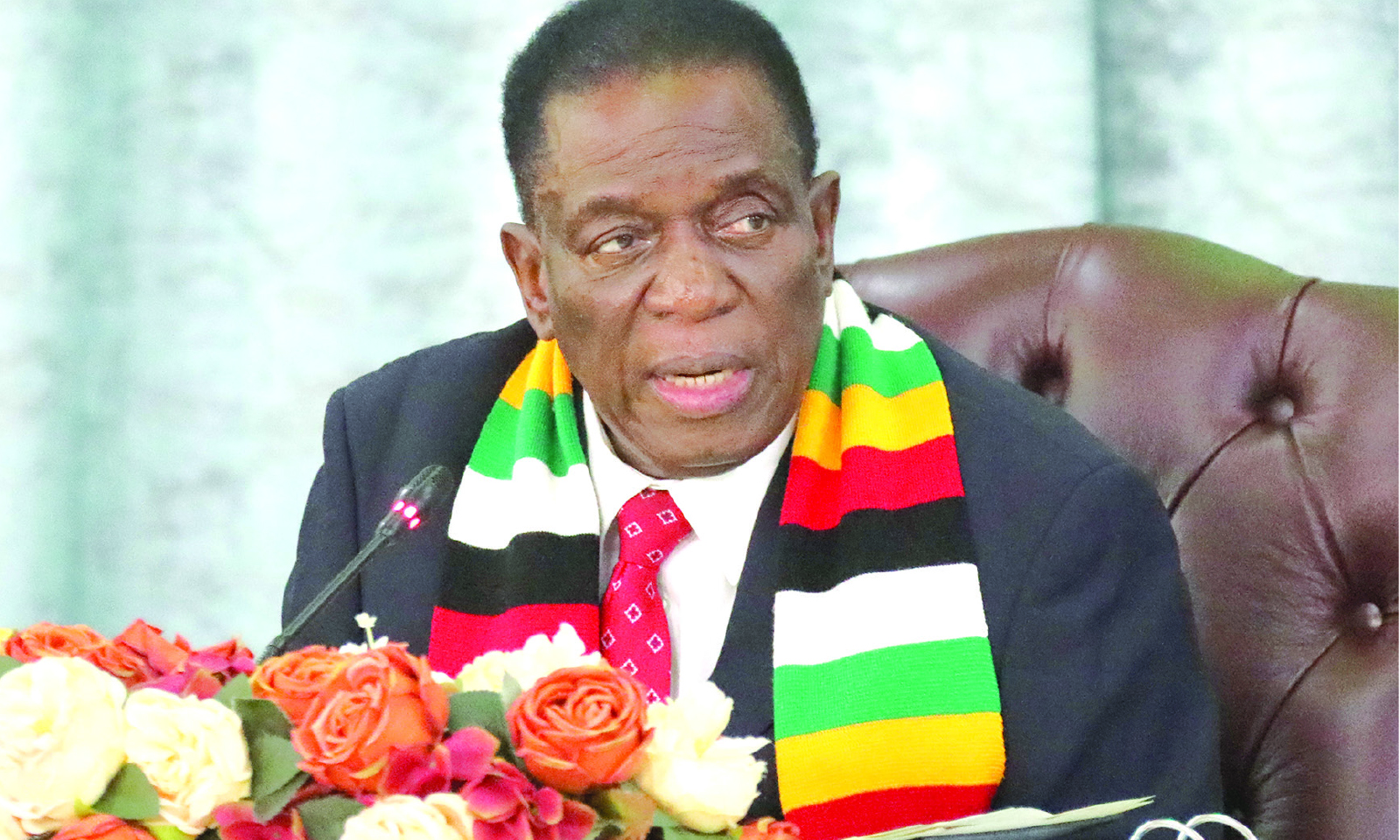
IN his address at the First Meeting of the 2025 Cabinet Year, President Emmerson Mnangagwa underscored a crucial message: Regulations, fees, and administrative licences should not stifle business but rather facilitate economic growth.
His call for a revision of policies that hinder the start or growth of investments, both local and foreign, highlights a significant challenge in Zimbabwe’s economic development.
While regulations are necessary for controlling business practices, they must be balanced with the need to foster an environment conducive to enterprise and innovation.
The President’s remarks reflect a wider understanding of the importance of an enabling business environment, which has long been a central concern for Zimbabwe’s entrepreneurs. Zimbabweans have long demonstrated resilience and a strong entrepreneurial spirit. However, excessive bureaucracy, punitive fees, and restrictive regulations create significant obstacles for businesses to thrive. These barriers not only discourage potential investors but also stymie the growth of existing businesses, especially those in the formal sector. As the President rightly pointed out, the Ease of Doing Business Agenda must remain a priority.
A significant concern raised by stakeholders, such as Dr Cornelius Dube of the Confederation of Zimbabwe Industries (CZI), is the role of Government procurement in supporting local industry. He suggests that legislation should mandate a minimum percentage of goods and services be procured from local suppliers. This move would not only bolster demand for local products but also enhance competitiveness within Zimbabwe’s economy.
The President’s call for a business-friendly environment aligns with such suggestions, highlighting the need for tangible measures to strengthen the formal sector and give it an edge over informal traders, who often operate without the same regulatory burdens.
Mr Denford Mutashu of the Confederation of Zimbabwe Retailers (CZR) pointed out that the informal sector enjoys a significant advantage over formal businesses, primarily because they are not subject to the same regulations and fees.
This discrepancy creates an uneven playing field and makes it difficult for formal businesses to compete.
The growth of the informal sector has also led to a decline in Government revenues, as many informal traders evade taxes and other obligations.
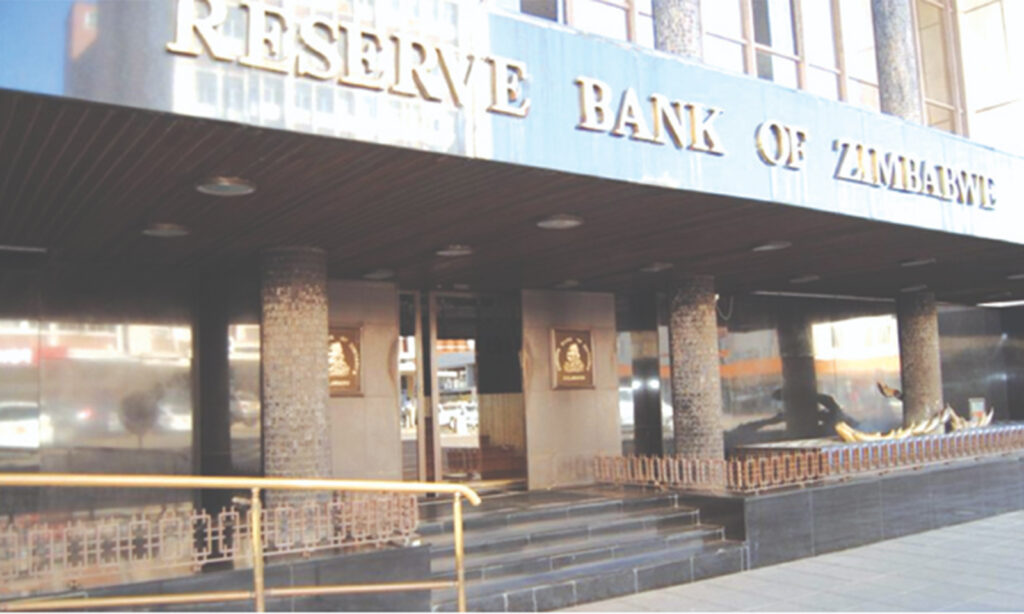
Addressing these challenges requires a collaborative approach. The government, through the Reserve Bank of Zimbabwe (RBZ), is pushing for the formalisation of the informal sector, seeking to integrate it into the broader economy.
Measures such as the implementation of a presumptive retail-level VAT and increased scrutiny of smuggled goods are part of these efforts. However, such measures must be complemented by a broader push for regulatory reform that reduces the burden on businesses, ensuring that they can thrive without facing punitive or unnecessary restrictions.