
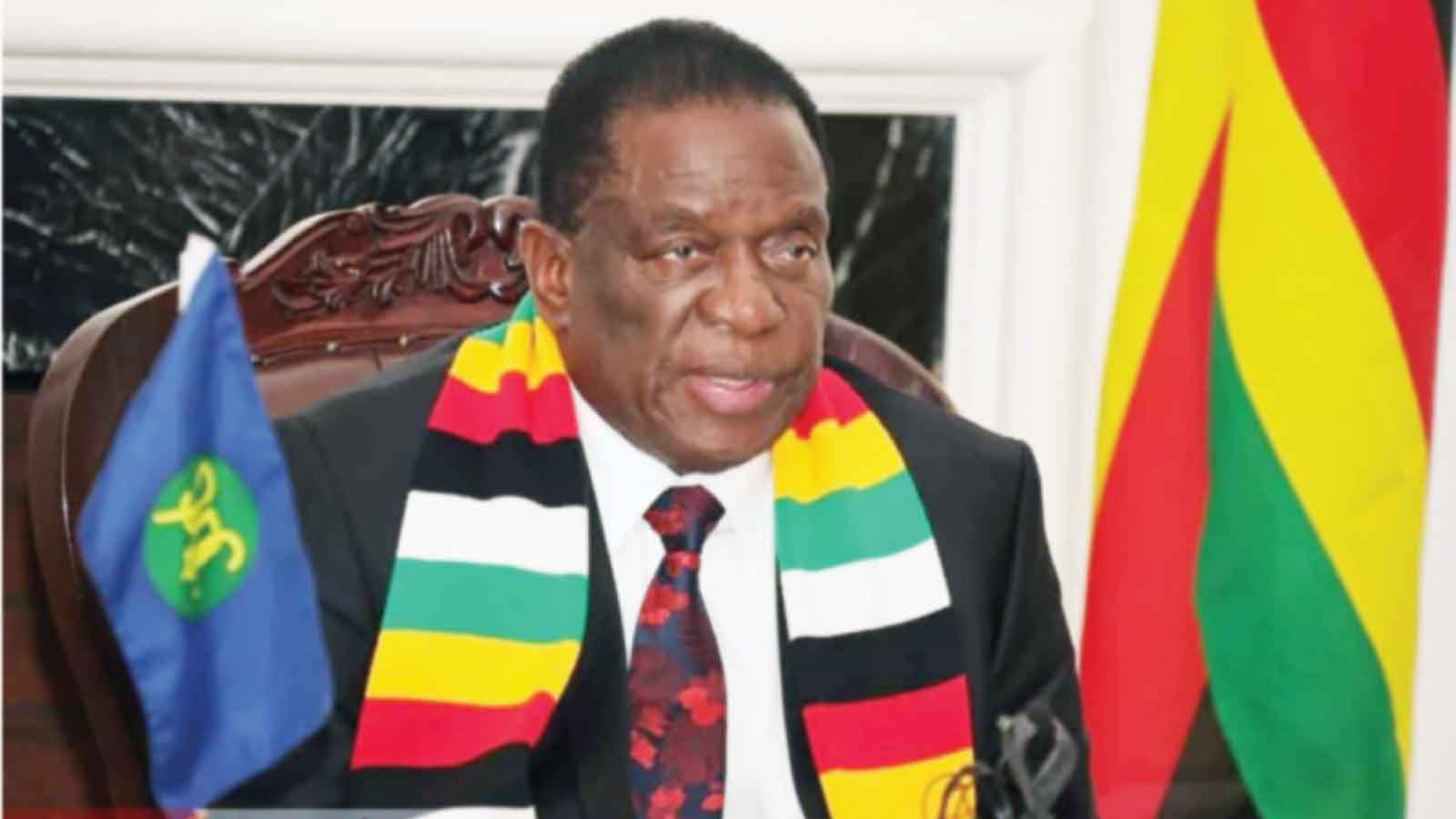
President Emmerson Mnangagwa’s instruction that Zimbabweans returning from South Africa be received home “with dignity” and supported through reintegration programmes is most welcome.
It recognises that the people being pushed back across the border did not choose their circumstances in a vacuum. Many are driven by the daily fear of displacement — conditions that often leave migrants with little control over paperwork, and even safety.
When Government leadership chooses to frame their return as a national opportunity rather than a burden to be managed quietly, it sends an important signal: Zimbabweans abroad remain part of the national project.
But dignity must become policy architecture — something measurable, resourced, and capable of turning returnees from “numbers” in a repatriation report into productive citizens.
The situation in South Africa paints an unfolding picture of an accelerating return flow, partly tied to the intensification of the crackdown on undocumented migrants — especially in farming areas, through penalties on employers, and through eviction pressures from landlords who suddenly find it hard to accommodate tenants without facing consequences.
This dynamic matters for Zimbabwe’s planning. Returnees are arriving not because Zimbabwe has invited them with job adverts or investment incentives, but because external enforcement pressures have destabilised their lives in South Africa. In other words, the State is preparing to receive people who may be arriving with trauma, broken savings, depleted skills (or skills that cannot be immediately monetised), and urgent needs that go beyond paperwork.
The Government’s reported facilitation of repatriation, with a much larger number returning through self-repatriation indicates a logistical challenge: assisted returns are only part of the total movement. A very large category may not pass through the same support channels.
If Government programmes are designed primarily around official repatriation centres and supervised transports, there is a risk that many of the self-repatriated returnees will fall into a policy blind spot. Reintegration cannot only be a border-management exercise; it must extend into the communities where returnees settle, seek work, and attempt to recover what was lost.
At the heart of the President’s direction is the argument that returnees can help accelerate Zimbabwe’s economic transformation. Deputy Chief Secretary George Charamba emphasises that these citizens possess skills that could bolster sectors such as horticulture, mining, and manufacturing.
Migrant labour often develops practical competence through exposure to different production systems, workplace discipline, and sometimes higher standards of safety or output. If Zimbabwe can harness such skills — through certification recognition, targeted training upgrades, and market access — then returnees could indeed become an engine of productivity.
Moreover, there is a further case linking returnee skills to beneficiation and export competitiveness, including the impact of external trade policies such as “zero tariffs” connected to a China policy. These points are framed within national industrial strategy: horticulture to meet export requirements, mining and value addition to link extractive output to local processing and jobs. It is a strong national narrative: bring skills home, align them with industrial policy, and use that alignment to absorb returning labour.
Zimbabwe has mobilised transport — government-hired buses supported by donations and development partners including the World Food Programme, UNICEF, and organisations such as ADRA. Humanitarian assistance during repatriation is essential, and it is encouraging to see co-ordinated support for food, toiletries, temporary shelter, and safe transport.
One of the most constructive elements is the recognition that returnees are coming back to a changed country with an economy that is growing and creating new opportunities.
However, the country must pair the “welcome home” message with practical mechanisms. At minimum, reintegration should include: skills verification and recognition (so that competencies acquired abroad translate into roles faster); targeted training that complements rather than duplicates existing expertise; counselling and psychosocial support for those displaced or exploited; and enterprise support that goes beyond food relief — covering grants or low-interest credit, apprenticeships, and connections to buyers.
There is another layer: the volatility of return numbers. Presidential Spokesman Mr George Charamba notes that the flow “keeps swelling” and is unstable because the crackdown in South Africa is “unrelenting and ever-expanding.” This volatility complicates planning. Government systems must be flexible enough to scale support up or down without collapsing.
Finally, when employers in South Africa become “agents of eviction” due to penalties, and when landlords kick tenants due to insecurity and enforcement fears, the people pay the price. Zimbabwe cannot control South Africa’s enforcement policies, but it can protect its own citizens by strengthening reintegration systems.
President Mnangagwa’s directive is laudable as a statement of intent and national belonging. Zimbabwe should welcome its people home with dignity — but it must also welcome their productivity, their families, their hopes, and their future into an economy that is ready to absorb them in language, budgets, programmes, and outcomes.