The battle against drug and substance abuse requires action on many fronts, but the two most important are drying up demand by persuading people not to use illegal drugs, and cutting off supply by arresting dealers and smugglers and seizing their contraband.
The approach can be combined when we also arrest users, helping them switch to a far better and more productive life.
The National Anti-Drug Task Force combines all approaches and brings the heads of all agencies involved to the same table, making coordination simpler and enabling close monitoring of how effective the action has been and how it may be refined.
Here Zimbabwe follows its own path and insists on cooperative action, rather than allowing less effective work outside central planning.
On the interdiction side, the police have recorded major successes since the start of the campaign.
They have seized more than ZiG3 billion worth of a wide range of drugs, some in routine operations.
More than 60 specialised operations have been conducted using the latest intelligence to grab large supplies and arrest more of those directing the abhorrent trade.
So far, 13 656 people have been arrested, ranging from small users to a significant number of those directing the trade.
The problem of some police officers playing on both teams has been acknowledged, and action taken, with seven police officers so far arrested for their involvement.
The numbers arrested cannot include a majority of users, if estimates of the numbers willing to break the law and buy and consume illegal drugs are anything to go by.
However, we have noted an increasing willingness to take those found in possession of drugs in user quantities to court, and at least to impose more realistic fines than those set by the rules governing admission of guilt.
Obviously, we do not have the prison space to accommodate all convicted users, but community service could be used more extensively, although care will be needed when assigning duties to someone we hope is a former drug user.
Still, there remain many places and forms of heavy labour that can be done safely. And being on community service makes it easier to begin the rehabilitation process, as the user is already present and supervised.
Smugglers and dealers should be jailed unless there is a very good reason not to do so, and jail terms can be coupled with large fines that destroy illegal businesses and make them exceptionally unprofitable.
The seizure of total stocks amounting to ZiG3 billion not only shows the general upgrade in police efforts, but removing these quantities from the market must have a major impact in cutting supply chains.
In any case, drug dealing becomes a far more dubious business proposition.
Cutting back supplies on this scale will also drive up prices, making it harder for existing users to afford their addictions and thus pushing them to seek help, as well as deterring those who are still clean.
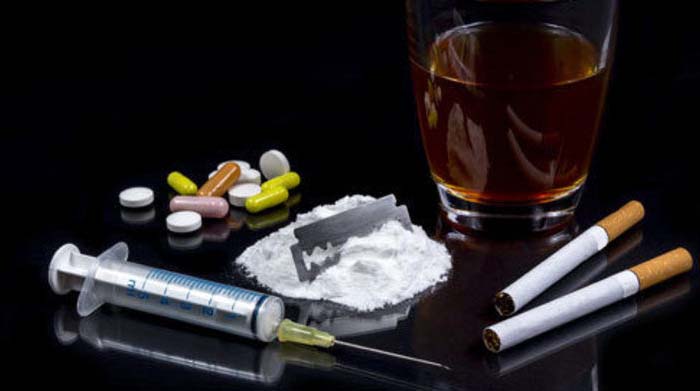
The seized drugs, eventually destroyed when no longer needed for evidence, include dagga, crystal meth, cocaine, ecstasy, tablets and unregistered medicines, among others.
This is a very wide range, requiring police to know what they find in people’s pockets, houses, vehicles and places of business.
But again, forensic laboratories provide the necessary backing, so new drugs will be included in interdiction policies as dealers attempt to smuggle them in.
The police successes have been backed strongly by the public, with more people coming forward to pass on what they see and know.
These successes will encourage even more people to share what they see, hear or learn, knowing that the police are taking strong, effective action.
The intelligence successes suggest that some of the smartest detectives have now been assigned to this work of piecing together strands of information and building up networks of sources prepared to pass on what they know.
We maintain that any leniency shown to small-scale users should be coupled with a willingness on their part to sit down and tell the police how they bought the drugs and who sold them, strengthening the bundles of facts that can be pieced together by investigators.
Users should also be given opportunities to rehabilitate themselves.
The battle against drugs is not going to be won easily or in the short term. It requires long-term commitment and the continual building up of knowledge and resources.
But as the police operations have shown, this approach does work — and in the end, we will win.