Chronicle Editor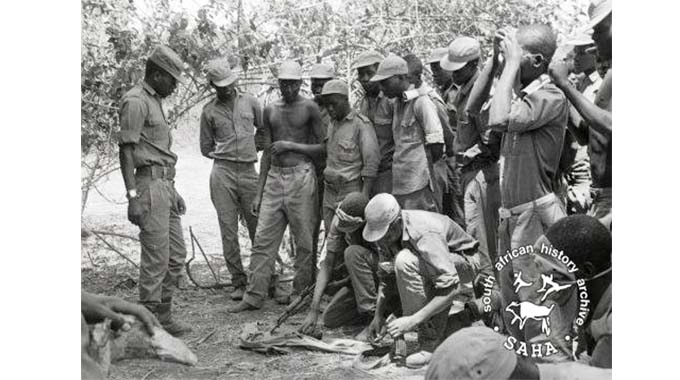
IN Zimbabwe, tomorrow (Monday), and Tuesday is a time of solemn reflection and national pride as the country commemorates two of its most important public holidays — Heroes’ Day and the Defence Forces Day.
These annual observances pay tribute to the brave men and women who have fought and sacrificed to secure Zimbabwe’s hard-won independence and protect its sovereignty over the decades.
Heroes’ Day, celebrated on the second Monday of August, honours the memory of all Zimbabweans who lost their lives in the struggle against colonial rule and white minority domination. This includes the thousands of freedom fighters, who gave their lives during the Second Chimurenga, the protracted guerrilla war against the white-minority government of Rhodesia that eventually led to Zimbabwe’s independence in 1980.
The sacrifices of these national heroes are commemorated through solemn wreath-laying ceremonies, speeches by Government officials, and cultural performances that highlight Zimbabwe’s rich history of resistance and resilience.
At the National Heroes Acre in the capital Harare, the final resting place for many of Zimbabwe’s most revered freedom fighters, President Mnangagwa and other dignitaries pay their respects and lay wreaths to honour the fallen heroes and heroines. It is a time for the Zimbabwean people to reflect on the high price of freedom and to rededicate themselves to preserving the hard-won independence their ancestors fought so valiantly to achieve.
Just a day after Heroes’ Day, Zimbabweans celebrate Defence Forces Day on 13 August. This holiday pays tribute to the men and women of Zimbabwe’s defence forces, who have played a crucial role in safeguarding the country’s sovereignty and territorial integrity.

From the guerrilla fighters of the liberation war to the modern-day Zimbabwe Defence Forces, these individuals have time and again answered the call of duty to protect Zimbabwe from external aggression and internal threats.
The commemorations on Defence Forces Day include military parades, air shows, and exhibits showcasing the capabilities of Zimbabwe’s armed forces. President Mnangagwa, as Commander-in-Chief, takes the salute and delivers an address highlighting the importance of a strong, professional, and disciplined military in ensuring Zimbabwe’s continued stability and development.
Veterans of the liberation struggle are also honoured for their service, and awards are presented to exceptional soldiers, who have distinguished themselves through acts of bravery or outstanding performance of their duties.
These holidays are not merely symbolic; they serve as powerful reminders of the high price of Zimbabwe’s independence and the ongoing need to vigilantly defend the country’s sovereignty. In a region still grappling with the legacies of colonialism and the threat of foreign interference, Zimbabwe’s commitment to self-determination and non-alignment has at times put it at odds with external powers.
The commemorations of Heroes’ Day and Defence Forces Day are therefore not just about honouring the past, but also about reaffirming Zimbabwe’s determination to chart its own course and protect its hard-won freedoms.
For the Zimbabwean people, these holidays are a time to come together in a spirit of national unity and pride. Across the country, families gather to swap stories of the liberation struggle, and instil in the younger generation a deep appreciation for the sacrifices of their forebears. Cultural performances, educational exhibits, and community events help to keep the memory of Zimbabwe’s heroes alive and inspire a new generation to follow in their footsteps.
As Zimbabwe navigates the challenges of the 21st century, the commemoration of Heroes’ Day and Defence Forces Day serves as a vital anchor, reminding the nation of the core values and principles that have sustained it through even the darkest of times.
By honouring the courage and selflessness of those who fought for Zimbabwe’s freedom, the country reaffirms its commitment to the ideals of justice, equality, and self-determination that have been the driving force behind its long struggle for independence.



 derick.khumalo