admin
admin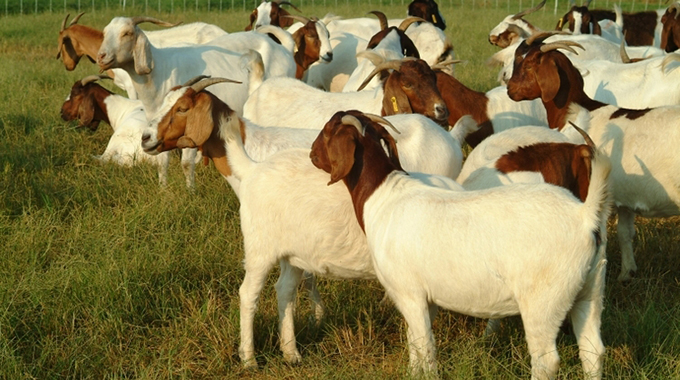
Elton Manguwo
WITH Government pushing to develop the goat industry in a move that will climate proof livestock production, players in the sector have bemoaned its lack of proper financing mechanisms to excite growth against a background of an expanding, lucrative goat market.
In an interview, Livestock and Meats Advisory Council (LMAC) agricultural economist Dr Reneth Mano said the goat industry was not being recognised by financial institutions, which was limiting access to working capital for farmers looking to boost production.
“Farmers are denied access to commercial credit because all Government agricultural finance programmes are more inclined towards wheat, maize and other value chains,” he said.
Presently, Zimbabwe has a goat population of about 4, 6 million, primarily owned by smallholder farmers and raised under extensive traditional and natural farming systems.
Dr Mano highlighted that the supply of goat meat from this smallholder farming system was satisfying rural community demand for breeding stock and meat but failing to produce enough surplus for sale to satisfy domestic urban markets.
“The urban market for goat meat is big and lucrative, as it includes the seasonal colossal demand for live goats by the local Muslim population and even African traditionalists during religious festivals and traditional ceremonies respectively,” he said.
As a business, goat farming offers high returns on investment with one female breeding goat bought for US$25 delivering at least one to six kids per year for six years of breeding before it is replaced.
Dr Mano added: “There is need to promote the industry as a profitable commercial business through a goat farming finance scheme targeting banks, investors and the newly resettled A2 farmers to boost domestic production.”
“The scheme would never suffer from high non-performing loans because the breeding goats themselves would be the collateral for bank loans redeemable in the event of a default,” he said.
To increase production and commercial off-take, smallholder goat farmers need to improve on their husbandry practices.
“This includes better housing to protect the animals from weather elements and safeguarding the kids from predators,” said Dr Mano.
It is also crucial to practise disease control and improved nutrition for pregnant does and lactating ones to significantly reduce kid mortality from 37 percent to under 10 percent.
“These are good goat management practices that can optimise kidding rates and reduce kid mortality by more than 20 percent thereby increasing flock growth rate and the annual commercial off-take rate by 20 percent from the same flock size providing a five-fold net return on capital,” said Dr Mano.



 Online Reporter