Patrick Chitumba in Gweru
THE Minister of Information, Publicity and Broadcasting Services, Dr Zhemu Soda, has directed the Ministry and its parastatals to adopt an integrated performance monitoring and evaluation system to ensure communication programmes deliver measurable results and contribute meaningfully to national development.
He said the Ministry must move beyond merely recording activities such as meetings held, broadcasts produced and media tours conducted, towards assessing the actual impact of communication interventions on citizens.
Officially opening the Ministry’s Strategic Planning Review Workshop in Gweru yesterday, Dr Soda said the implementation of the National Development Strategy 2 (NDS2) for the 2026-2030 period required a modern, coordinated and results-oriented information sector capable of responding to the country’s evolving communication environment.
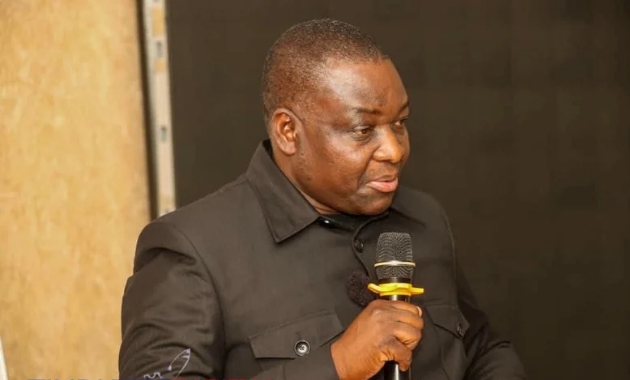
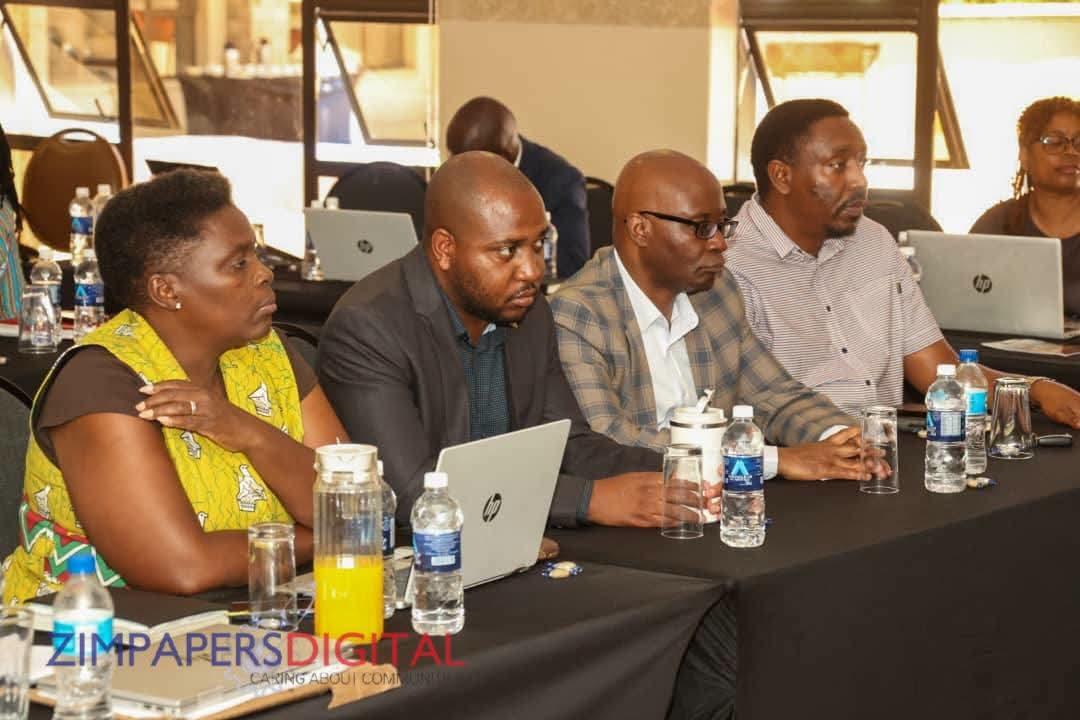
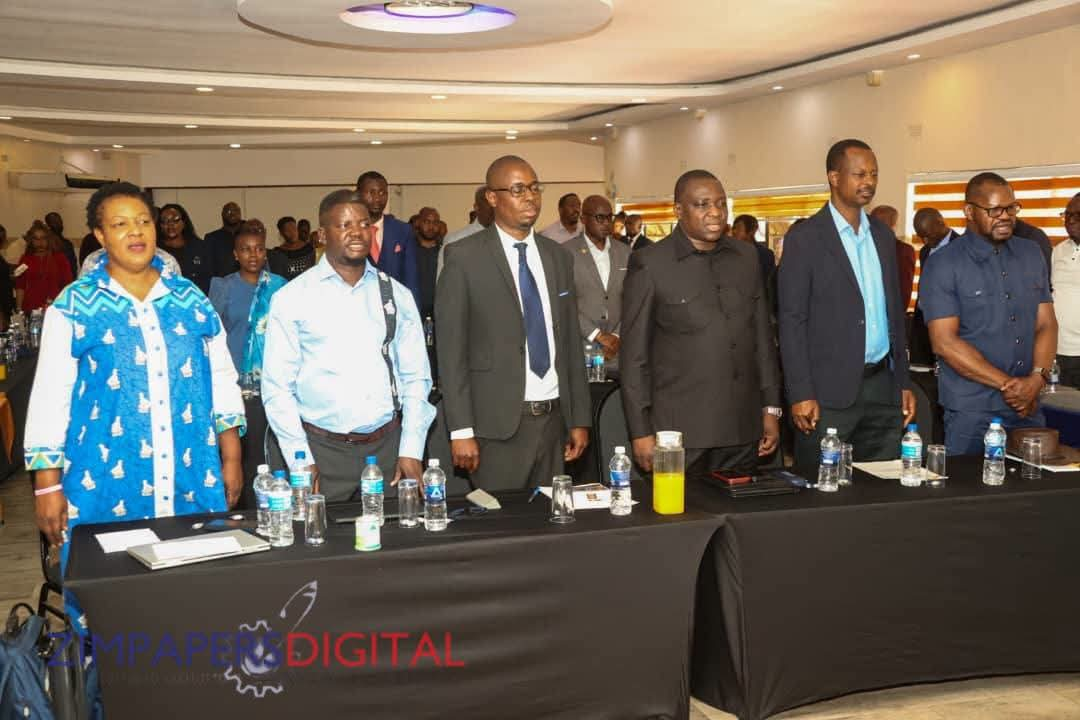
The four-day workshop brings together the Ministry’s leadership, departmental heads and chief executive officers of affiliated parastatals to review performance, assess achievements and chart a strategic direction for 2027.
“I therefore direct the Ministry and its parastatals to adopt an integrated approach to planning, monitoring, evaluating and reporting on programmes and projects. The Ministry’s M and E officers should be involved in relevant parastatal activities from the planning stage through implementation and evaluation,” he said.
Dr Soda said the approach would strengthen accountability, coordination, data quality and evidence-based decision-making while enabling institutions to identify implementation challenges and share solutions.
“Our focus must shift from recording activities to establishing whether our interventions achieve their intended outcomes and make a measurable difference to citizens. An integrated M and E system should improve programme effectiveness and ensure that our collective performance supports NDS2 and Vision 2030,” he said.
He said the Ministry’s mandate extended beyond reporting on national development programmes to actively enabling development through strategic, timely and evidence-based communication.
“The Ministry should explain Government programmes, demonstrate their impact, create opportunities for citizen engagement and ensure that development stories from all parts of the country receive coverage,” he said.
Dr Soda said the strategic review should establish what had worked, what had not, why certain targets had been achieved or missed and which lessons should inform future interventions.
He challenged the Ministry to assess whether its communication was reaching intended audiences, whether information was being understood and whether it was increasing public awareness and confidence in Government programmes.
“The Ministry must embrace emerging technologies, including artificial intelligence, data analytics, automation and digital broadcasting, to improve the speed, reach, quality and impact of information dissemination,” he said.
He added that technology should be deployed ethically, responsibly and securely, while audience research, social media analytics and citizen feedback should inform communication strategies.
Dr Soda also called for the establishment of a coordinated Government information verification and fact-checking mechanism supported by appropriate technology, professional standards and collaboration with relevant stakeholders.
He said the expansion of broadcasting infrastructure and community radio stations should be accompanied by quality programming, local content and meaningful community participation.
“The expansion of broadcasting infrastructure and community radio stations should be matched by quality programming, local content and meaningful community participation,” said Dr Soda.
He said every Zimbabwean, regardless of geographical location, should have access to timely, credible and relevant information.
“A farmer in Chimanimani, a vendor in Mbare and a student in Lupane should all be able to access relevant and credible national information. We should use digital platforms, community radio, television, print and other channels in an integrated manner,” he said.
Dr Soda said the Ministry’s parastatals, namely the Zimbabwe Broadcasting Corporation (ZBC), Transmedia, New Ziana, Zimpapers and the Broadcasting Authority of Zimbabwe (BAZ), should align their programmes with the Ministry’s strategic direction while retaining their respective mandates.
He called for reduced duplication, improved information-sharing and more efficient utilisation of resources through collaboration, joint programming, shared platforms and coordinated campaigns.
Dr Soda said Zimbabwe also needed to strengthen its international image by showcasing the country’s development, investment opportunities, tourism, culture, innovation, creative industries and human capital.
He said the Ministry should communicate the Zimbabwean story with confidence, accuracy and professionalism while ensuring coordinated national branding across Government institutions.
The Minister said the workshop should produce a practical, costed strategic roadmap for 2027, outlining clear priorities, measurable outcomes, performance indicators and strategies for institutional strengthening, digital transformation and resource mobilisation.
“A good strategy is not one that lists the most activities. It identifies the right priorities, assigns responsibility, mobilises resources and delivers measurable results,” he said.
Dr Soda said the Ministry must position itself as a modern, responsive and results-oriented institution capable of communicating in real time across multiple platforms.
He urged participants to ensure their recommendations were practical, implementable and aligned with available resources.
“Let us connect every voice, communicate development, strengthen national consciousness and use the power of information to support the building of a prosperous and empowered Zimbabwe,” he said.
Also in attendance were the Deputy Minister of Information, Publicity and Broadcasting Services, Dr Omphile Marupi, the Ministry’s Secretary, Mr Nick Mangwana, and other Government officials.