admin
admin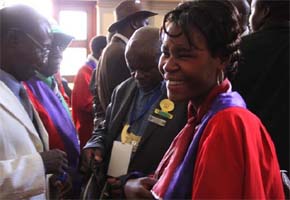
Speaking in separate interviews on the sidelines of the just- ended 2011 annual chiefs conference in Bulawayo, female chiefs from different provinces said they had successfully managed to fit in their roles, with only a few setbacks encountered during the early stages.
Chief Nonhlanhla Ndube of Filabusi, Insiza District, in Matabeleland South, said the spirit mediums that guide them in their work had made it easy for them to overcome the challenges and be quickly accepted by society.
“I encountered problems during the first months as members of the community, politicians and business people took advantage of the fact that I was a woman and I was young,” said Chief Ndube.
“There was a time when ministers, councillors and business people would come in my area, conduct meetings and do whatever they wanted to do without my approval. I realised that I had to be more authoritative and firm when executing my duties, for people to recognise my powers.”
Chief Ndube said she decided to call for a meeting and caution the politicians for their unbecoming behaviour.
“When I called them for a meeting, I told them that I was the chief in the area and no one had the right to do whatever they wanted without my knowledge. I made it clear that being female would not make any difference.
“I also told the politicians that talking about me behind my back would not work for them because I was there to rule, without fear or favour. They apologised and up to now they address villagers through me, whether they like it or not,” she said.
Chief Ndube said she believed that it was how she handled the people that determined their attitudes towards her.
“After the meeting, I never encountered any problems because the politicians realised that I meant business and now they listen to me when summoned or cautioned.
“It is fortunate that I was my father’s secretary before I took over the chieftainship after his death, which made it easy for me to quickly familiarise myself with the tasks of being a chief,” she said.
Chief Ndube, who gave the vote of thanks after President Mugabe officially opened the chiefs’ conference last Thursday, said she had always looked forward to attending chiefs’ gatherings as female chiefs were treated equally without discrimination.
“The good thing about the chiefs’ conferences or any other gatherings, is that we are equally the same and we give each other equal chances and opportunities,” she said.
Chief Hleziphi Dakamela from Nkayi, Matabeleland North, said she only had to concentrate on maintaining peace in the area and tackling drought as the people respected her.
“It was not easy during the first days as people did not want to accept that I was the chief in the area but now people acknowledge my powers and respect me.
“The good thing about chieftainship is that the chief does not work alone. I work with headmen, village heads and assessors who help in the judgment of cases and cautioning villagers in the area,” said Chief Dakamela.
She said she was concerned about the welfare of women in the rural areas as they were mostly affected by drought.
“The Government should put mechanisms for chiefs to be able to empower women through income generating projects as they suffer the most, trying to fend for their children and take them to school during these challenging economic times.
“It is no longer advisable to rely on communal farming due to the extreme weather changes prevailing in the country. If these women could get permanent water sources, it would be easy for them to come up with projects to improve their livelihood,” said Chief Dakamela.
Chief Otilia Chimukoko from Mudzi in Mutoko said she was treated like any other chief in her community.
She took over the chieftainship at the age of 13 although her late father did most of the work.
“In my area, a chief is accorded enough respect and participates in all the community’s activities, regardless of gender. I am treated like any other chief in Mudzi and my counterparts also respect me. Government officials and other organisations know the procedures when they are in my area and we have been working together well,” said Chief Chimukoko.
She also bemoaned the lack of funds to start income generating projects, especially for women, most of who depended on their husbands for survival.



 Online Reporter