peter
peter
Robin Muchetu, Senior Reporter
COMMUNITIES, churches and schools have been urged to enforce their presence and play a role in child protection as early sexual debuts, teenage pregnancy and same age relationships are on the increase in the country.
This follows an upsurge of cases of teenage pregnancy being recorded in the past few years with the case of a nine-year-old from Tsholotsho District who gave birth in November 2022 being a topical issue. The nine-year-old was impregnated by a close relative who lives next to her family.
The Zimbabwe Gender Commission (ZGC) notes that during the lockdown, it is estimated that 4 959 girls fell pregnant and risked losing educational opportunities as a result.

Director of Shamwari Yemwanasikana a community-based, non-governmental organisation that seeks to promote the rights and empowerment of the girl child in the home, school and community and also aimed at amplifying the voices of the girl child and protecting them from abuse, Ms Ekenia Chifamba said a growing and worrying trend is that of young children of same ages who are engaging in sexual intercourse.
“There is an increase in teen pregnancies, child marriages in the country which should be an eye opener to communities. This has been happening for a long time and being under-reported but I am glad to say the media has been playing a huge role in exposing those issues. It is sad and disturbing to note that children of similar ages are having sex. It is an issue that needs to be interrogated,” she said.
She added; “We have realised several push factors for some of these cases which border largely around poverty and some skewed social norms. However, the community itself has let the girl child down as expected as they have failed to provide a safe haven for the girls and also the boys. Before we lived with the mantra ‘mwana ndewe munhu wese/umntwana ngowo muntu wonke’ where communities helped in raising these young people and could reprimand children that were not theirs. This is not the case today as communities are now individualistic and have taken a step back in helping raise children.”
Ms Chifamba said they were seized with the matter making rounds in the media of a man from Chivhu who was living at his home with three wives all below the age of 18 that went unreported.
“It is shocking what happened in Chivhu but what is even more shocking is that the community never took action when they noticed this anomaly, they never reported to the police or social services, they were just not bothered. The Anna Machaya case is also another tragedy, we see girls losing those babies that they give birth to at a tender age because most of the pregnancies are concealed by family. The community also does not whistle blow so we have such problems,” she added.
According to UNFPA, 30 percent of maternal births are recorded from adolescent girls, a figure they said is very high and should be interrogated.
Ms Chifamba said the trauma that the girl child then lives with after such occurrences was unimaginable.
Mrs Nombulelo Crocco, a clinical psychologist who was managing the nine-year-old from Tsholotsho said on the psychological side, children live with their trauma for life.
“This is what is called childhood trauma and trauma stays with you not for days or months but for life. When a child has been exposed to such a traumatic experience, they are more likely to suffer from post-traumatic stress disorder (PTSD) where they have flashbacks of what happened to them in the past, flashbacks of that traumatic incident or nightmares related to that and even reminders of that incident becoming triggers,” she said.
Mrs Crocco said such children are prone to depression, anxiety and also become suicidal but at the same time, she said intervening at an early stage is helpful in trying to prevent mental health problems in the future.

“It is not trauma only to the individual but something that affects the family as a whole as how people will react and how they will treat each other from there on. Issues of trust have also been affected; the community as well is affected,” she said.
Mrs Crocco warned parents and guardians over perpetrators of sexual violence saying they are usually from within.
The psychologist said parents and guardians must look out for signs in behavioural changes in their children which can signal sexual abuse.
“Maybe your child is becoming more ‘stubborn’ yet previously they were not, children that follow instructions and suddenly they are stubborn or they are tearful or suddenly start bed wetting. Just those changes, know your child such that you are able to pick up such things,” said Mrs Croco.
Ms Chifamba on the other hand said parents and guardians must not harbour perpetrators of sexual GBV and must be conscious of what is happening in their children’s lives.
“Do not harbour perpetrators, we understand many times they are family members. Communities and families should report immediately when it is discovered. This way we reduce teenage pregnancies and HIV infection in these children.
“Again, please check who your child is talking to on social networks, what information they are accessing online, who they are playing with. This can prevent abuse if they get all this information quick enough. It is important to know about what is happening around your children,” she said.
She lamented the extent of child sexual abuse by both older and same age perpetrators saying if no action is taken, the results will be detrimental to the country. “If communities do not police children, then it’s a challenge. This phenomenon of same age sexual abuse, if left unattended, will be catastrophic in the next five years. Let us work together, Government, civil society, communities and the church to bring sanity to society and end this cancer that has affected the country.
“Sex education must be taught more in schools than before so that children understand the effects of the early sexual debuts. We have to acknowledge the shift that has taken place and address that fast enough,” she said.
Ms Chifamba said in some informal settlements young children are living together as couples, a situation she said must not be taken lightly.
Section 2 of the Zimbabwe Gender Commission Act empowers the ZGC to investigate any systemic barriers prejudicial to gender equality, gender equity or gender mainstreaming in a specific named sphere of activity or named sector of the society or economy.
Against this background, the ZGC conducted a national multi-sectoral stakeholders’ inquiry in 2022 on sexual exploitation and abuse of girls including in so-called child marriages and tabled a report.
The focus of the inquiry interrogated experiences of survivors to determine the drivers and forms in which the child marriage and sexual exploitation take.
The inquiry also sought to examine the effects of child marriage and sexual exploitation including on girls with disabilities and proffer recommendations and solutions at multi-sectoral level to address the challenges.
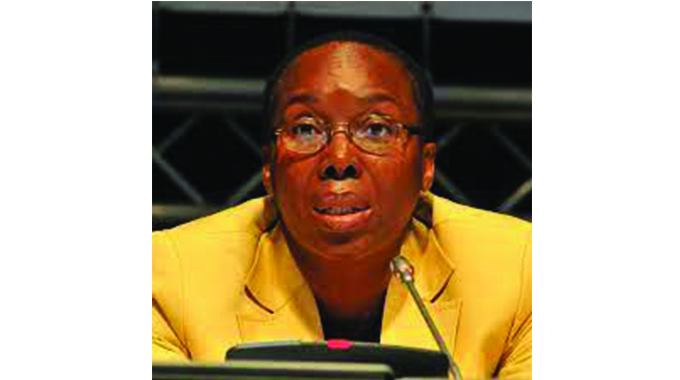
“It was evident from the national inquiry that there are negative effects of child marriages on the rights of children, especially girls. These include: GBV; limited access to sexual and reproductive health services which leads to early and complicated pregnancies; difficulties in progressing in education; lack of recreational facilities; and lack of psychosocial support systems for survivors,” said the chairperson of the Commission Mrs Magaret Mukahanana Sangarwe.
The Commission resolved that among other things, the Zimbabwe Republic Police’s Victim Friendly Unit be equipped with transport to enable proper investigation and reporting of cases in remote areas.
“The Commission wants to ensure all police bases have VFU officers of both sexes to provide gender sensitive services, support witness and whistle-blowers protection programmes to encourage reporting and to establish and publish a Sexual Offences and Paedophile register for those convicted of sexual offences against children,” reads the report.–@NyembeziMu


 Online Reporter