Online Reporter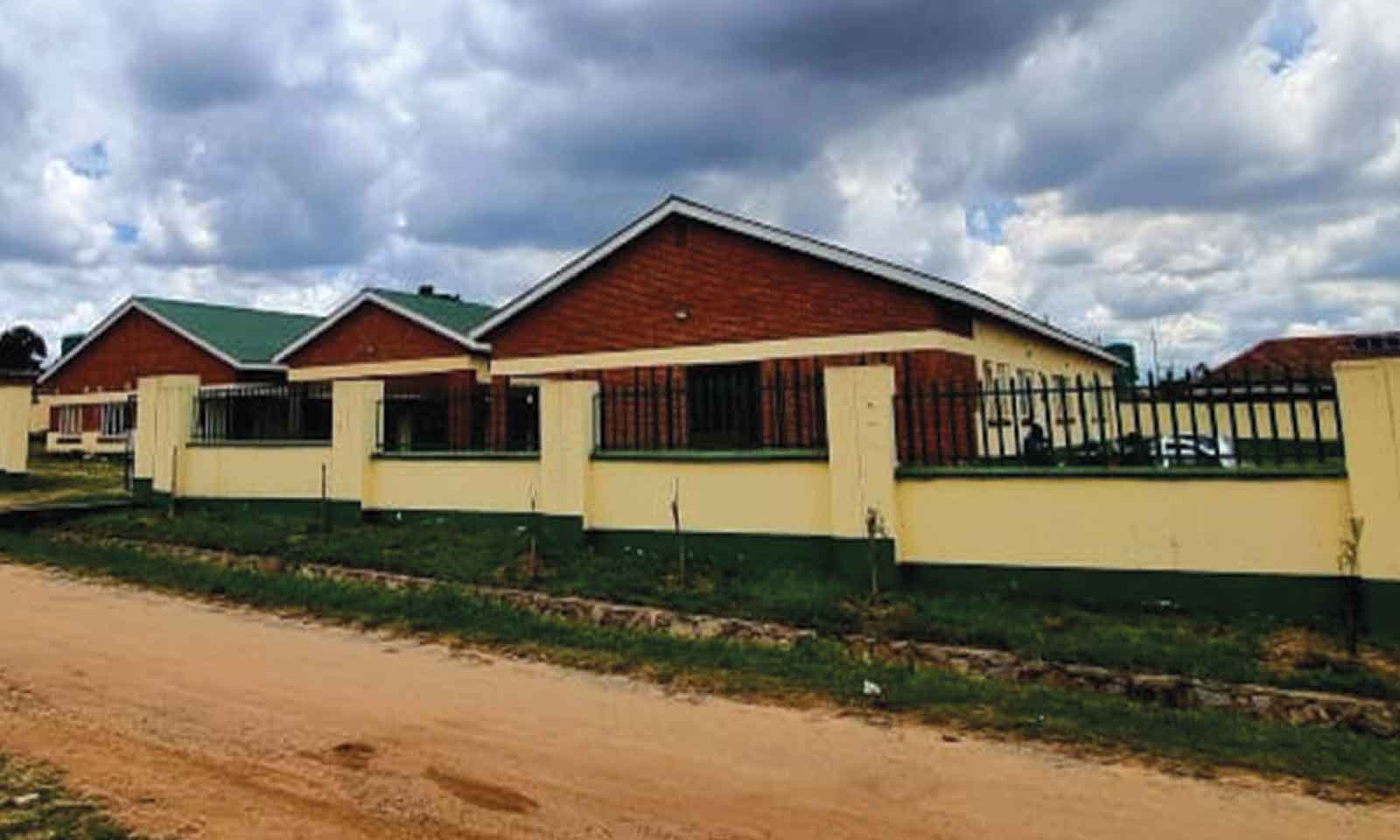
Peter Tanyanyiwa
Herald Correspondent
In recent years, Zimbabwe has experienced significant transformation in its governance and infrastructure landscape, particularly, under the leadership of President Mnangagwa.
Central to these changes has been the introduction of devolution funds aimed at empowering local authorities and fostering sustainable development at grassroots level.
This initiative has not only enhanced local governance, but has also led to meaningful investments in healthcare, education and community services.
One remarkable achievement resulting from the devolution funds is the construction of health facilities aimed at providing essential services to underserved communities.
For instance, the establishment of the Damofalls Clinic by the Ruwa Local Board stands out as a testament to the positive impact of these funds.
Recently inaugurated, this healthcare facility serves not only the residents of Ruwa, but also those from East View, parts of Goromonzi and Mabvuku.
The clinic currently offers outpatient services and Expanded Programme on Immunisation (EPI) services, with plans to introduce comprehensive maternity services by the first quarter of 2026.
Sister Musabayana, a dedicated registered midwife at the Damofalls Clinic, shared her enthusiasm about the facility.
“It’s a new clinic that has just been opened, and we are operating two departments as of now — the EPI department and the outpatient department,” he said.
This clinic has become a beacon of hope for many families who previously had to travel long distances for basic healthcare services.
The growing population in Ruwa has increased the necessity for such facilities.
With rapid urbanisation, residents faced challenges accessing medical care, which often necessitated extensive travel to far-off hospitals.
The introduction of devolution funds allowed local authorities to address this pressing need directly.
Public relations and corporate affairs manager for Ruwa Local Board, Ms Josephine Mwaitirwa, described the clinic’s significance as a game-changer for the community.
“We are excited that we have opened Damofalls Clinic, our largest clinic as a council. In the vicinity of Ruwa itself, we expect to be serving people from Ruwa and places like East View and parts of Goromonzi and Mabvuku,” she said.
Across the country, other local authorities have similarly leveraged devolution funds to construct and improve healthcare facilities.
Clinics in various regions, including Bindura and Kwekwe, have undergone expansions and upgrades, allowing them to provide more comprehensive services to their communities.
These initiatives reflect a commitment to ensuring that healthcare is accessible and of high quality, adhering to the vision of the Second Republic.
The devolution initiative empowers local governments by providing them with financial resources to prioritise their unique needs and challenges.
Consequently, communities have witnessed accelerated infrastructure development that aligns with local priorities.
Added Ms Mwaitirwa: “We are saying Ruwa residents, you can come through to Damofalls Clinic and get treatment for day-to-day ailments. Our outpatient department is fully catered for.
“Medicines are in place and we have staff to cater for those services.”
This focus on local needs amplifies President Mnangagwa’s vision of creating an inclusive and progressive society where everyone has a stake in national development.
The Second Republic has placed significant emphasis on involving communities in decision-making processes, giving them a voice in the allocation of resources through devolution.
For instance, the establishment of community health committees has ensured that local citizens participate actively in monitoring and evaluating healthcare services, fostering transparency and accountability.
The increased focus on healthcare is complemented by initiatives aimed at improving education and social services.
Schools in rural areas have received infrastructure improvements, securing better learning environments for children.
A recent report indicated that various schools have been constructed, renovated, and equipped using devolution funds, thus enhancing educational access and quality.
Ruwa mayor Councillor Michael Mataruka, encapsulated the spirit of this initiative during a recent tour of the Damofalls Clinic.
He expressed pride in the operational status of the clinic.
“In addition to medical services, residents can conveniently pay their council rates at the clinic, improving access to municipal services,” said Cllr Mataruka.
This multi-service approach highlights the commitment of the Second Republic to not only enhance healthcare delivery, but also facilitate ease of access to essential administrative services.
As the Second Republic continues to implement devolution, the tangible benefits are becoming increasingly evident.
The establishment of Damofalls Clinic is just one of many success stories demonstrating the power of local governance backed by adequate funding.
With the anticipated expansion of maternity services and other healthcare offerings planned for the future, the clinic is poised to play a pivotal role in the overall well-being of the community.
Zimbabweans can look forward to a future where the partnership between local authorities and the national Government leads to a more equitable distribution of resources, thereby fostering a healthier, educated, and economically vibrant society.
The introduction of devolution funds is not just an administrative decision; it is a commitment to uplift communities and realise the dream of a prosperous nation — one community at a time.