Online Reporter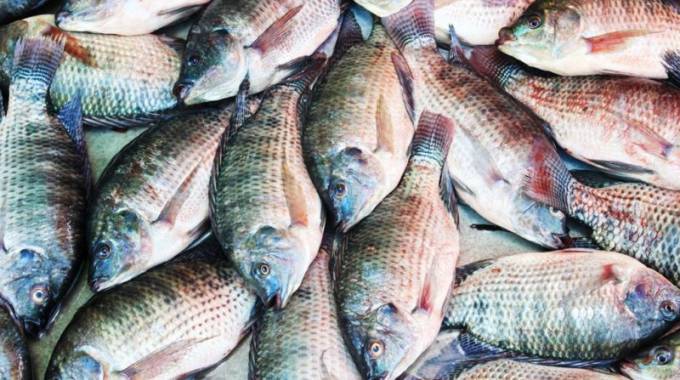
Precious Manomano
Herald Reporter
FOR years, Mr Innocent Kazani battled the unforgiving land in Mudzi’s dry and dusty terrain, trying to coax a harvest from his small plot.
But poor rains and parched soil made each season more disheartening than the last. Today, Mr Kazani is no longer planting maize; he is harvesting fish.
“I managed to sell my first batch at US$10 per kilogramme, which is absolutely wonderful,” he told The Herald, standing beside one of his two fish ponds in Chimukoko, Shinga Ward 17.
“Fish farming has opened new doors for us. I am now aiming for 2,6 tonnes of fish, and I plan to add three more ponds.”
Mr Kazani is one of dozens of small-scale farmers in Mudzi District who are finding new hope through the Presidential Fisheries Programme, a Government-led initiative that is transforming food-insecure communities into centres of aquaculture entrepreneurship.
The programme was launched as part of a broader national effort to revitalise rural livelihoods.
Through the initiative, the Government is providing fingerlings, technical support and guidance to help farmers venture into fish farming.
In Mudzi, where climate change and water scarcity have decimated traditional agriculture, the programme is reshaping lives.
“While we have ample land for farming, our crops do not yield well because of the limited water supply. Fish farming has opened new doors for us,” he said.
The shift from dryland farming to aquaculture has not only brought Kazani personal success; it has become a beacon for his wider community.
Another beneficiary, Mr John Kapfunde, shared similar optimism but believes more can be done to unlock the sector’s full potential.
“If the Government could intervene by drilling more boreholes, it would significantly increase our capacity to establish more fish ponds,” he said.
“This would enable us to diversify our agricultural practices and embark on other ventures, such as horticulture. The potential is immense.”
He noted that there are over 50 farmers in his community who are eager to expand their fish farming endeavours.
“We need more resources and funding to sustain and grow our projects. Fish farming requires dedication and investment, and we are committed to making it work,” he stated.
Deputy Minister of Lands, Agriculture, Fisheries, Water and Rural Development, Davis Marapira, who toured the projects recently, described Mudzi as a symbol of what rural empowerment can achieve.
“What we have witnessed here is a remarkable success story,” said Deputy Minister Marapira.
“The fingerlings we introduced are thriving, maturing to weights of 300, 400, 500 and even 600 grammes.
“This is not just beneficial for individual farmers; it has a ripple effect on the community.”
He said the fish is being sold to local supermarkets, restaurants and community markets, helping to strengthen rural economies and food supply chains.
Zimbabwe, however, still faces a national fish production deficit.
Annual output currently stands at around 35 000 tonnes, which is far below the national consumption of 65 000 tonnes.
“We aim to promote fish farming through pond systems, creating a balance between supply and demand,” said the Deputy Minister.
“Mudzi, being a dry district, requires innovative solutions like harnessing underground water and constructing dams and weirs to support both fish farming and broader agricultural efforts.”
Crucially, he said, Mudzi’s high temperatures, which were once seen as an agricultural weakness, are now proving to be an asset for aquaculture.
“While some may see the dryness as a disadvantage, it actually provides excellent conditions for fish growth,” he explained.
“The heat here is beneficial for aquaculture, enabling us to potentially grow a variety of crops as well.”
In Mudzi, the Presidential Fisheries Programme is proving to be a community-led movement that is gradually transforming hardship into opportunity.
It is helping families put food on the table, send children to school and restore dignity in areas long forgotten by development.