Tendai Gukutikwa
Weekender Reporter
A GRIEVING family from Domborutinhira in Mutasa has accused two village heads of pressuring them to accept compensation from the relatives of a man accused of fatally stabbing their loved one — just days after the burial.
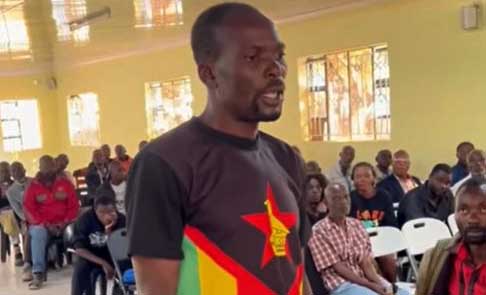
The dispute surfaced at Chief Mutasa’s community court last Saturday, where the family of the late Adventure Makunike alleged that traditional leaders moved prematurely to facilitate appeasement discussions while they were still mourning.
Adventure was allegedly fatally stabbed in Tsvingwe on February 12, 2026, and the suspect was arrested shortly after the incident.
His brother, Steward Makunike, told the court that the family buried Adventure on February 15, believing they would be given time to grieve before any talks of compensation began.
Instead, Steward said, village heads Chimboza and Rondozai arrived at their homestead the very next day, accompanied by relatives of the accused man, urging the family to consider compensation.
The Makunikes argued that the approach was insensitive and disrespectful to their mourning period, deepening their pain rather than easing tensions.
“After the burial, we expected to mourn our brother in peace because the matter was already before the courts. Instead, the following day, the two village heads came to our home with a delegation from the accused’s family,” said Steward, adding that the matter had initially been referred to Chief Mutasa’s court, who sent representatives to convey condolences to the bereaved family.
“We waited for them to explain the purpose of their visit. We later learnt that Village head Chimboza had already received US$200 from the accused family’s relatives, which he attempted to hand over to us, but we refused to accept it,” he said.
Steward said the family felt overwhelmed by repeated requests to discuss compensation while emotions were still high.
“After a few weeks, they returned and asked us to meet again. We were summoned by village heads Chimboza and Rondozai. Village head Rondozai accused us of delaying the process of accepting compensation for our brother’s death,” he said, adding that the two village heads disclosed that they had each received two goats from the accused family’s relatives, and that our grieving family was dragging out the compensation process.
“They told us they had already accepted two goats each from the accused’s family. When I informed my father about their request, he proposed that the discussions be held two weeks later. However, when I communicated the proposed date to Village head Rondozai, he became angry. He insulted me and said we had no right to choose a date because only the accused’s family could determine when the discussions would take place. At that point, I felt cornered and decided to withdraw from the process altogether,” he told the court.
Steward said his family felt they were being rushed into making decisions at a time when they were still struggling to come to terms with their loss.
“We were still grieving. We had just buried our brother and were not emotionally ready to discuss compensation. It felt as though we were being pressured to move on before we had even processed what had happened,” he said.
Chief Mutasa criticised the conduct of the village heads, saying sensitivity and patience are essential when dealing with bereaved families.
He said compensation discussions should never be forced on grieving relatives and the timing should be determined by the affected family.
“Pressure was not necessary. The family had lost a loved one and emotions were still running high. As village heads, you should have understood that they needed time to heal,” said Chief Mutasa, adding that there was no urgency to discuss compensation immediately after a death.
“Compensation can be addressed two or even three months after the burial. The bereaved family should be given enough time to mourn and perform the necessary cleansing rituals before such matters are discussed,” said Chief Mutasa, further explaining that, according to local custom, funeral expenses could be reimbursed once both families were ready to engage.
“Now that some time has passed, the two families can meet and discuss repayment of funeral costs if they wish. However, issues of appeasement should only be considered if there are signs that the deceased’s spirit is seeking vengeance,” he said.
He urged traditional leaders to handle such sensitive matters with care and respect, emphasising that customs should never override compassion for grieving families.
Chief Mutasa said village heads play an important role in preserving harmony within communities, but cautioned that their actions must always prioritise the emotional well-being of affected families.
Compensation clash rocks grieving family