

 Chronicle Editor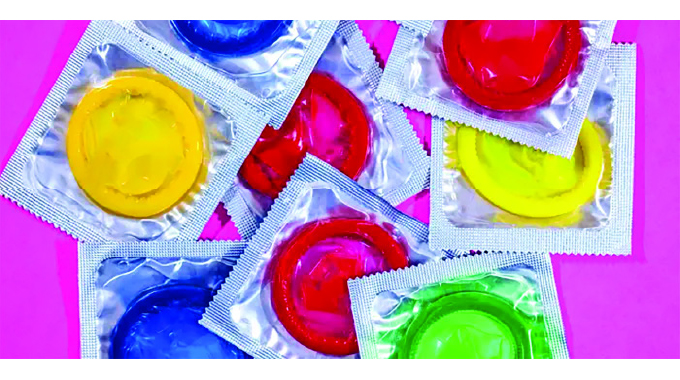
Andile Tshuma, Opinion
WITH all the risky sexual behaviour that has been trending, it is time to put the fun back in safer sex. Condoms may just be some piece of latex, but they have saved lives and shielded many from unfathomable misery.
International Condom Day, commemorated on 13 February every year, is a day meant to promote the use of condoms for dual protection against unintended pregnancy and Sexually Transmitted Infections (STIs) including HIV. It is a day to raise awareness on protecting your partner from STIs and HIV by using condoms as a sign of love.
Zimbabwe joined the international community in marking World Condom Day amid reports that the HIV-burdened country needs 173 million condoms a year.
After taking some knocks from the Covid-19 pandemic in 2020, the national HIV response spearheaded by the National Aids Council (NAC) has been on a recovery trajectory.
The number of new HIV infections dropped from 24 900 in 2020 to 22 800 in 2021, while the antiretroviral therapy coverage rose from 92 percent to 92,43 percent of the 1 301 400 people living with HIV during the same period.
Currently, condom distribution is not bad, although it is below what is required.
About 143 million condoms were distributed in Zimbabwe in 2017 with reports that the uptake of the female condom remains low due to misconceptions. The number dropped to 81 million condoms in 2020, probably due to Covid-19 pandemic knocks.
Condoms are a key component of the country’s HIV prevention programme as their use is one of the several tried and tested HIV prevention methods recommended and so far, the use of condoms is the only method that provides protection from HIV, Sexually Transmitted Infections (STIs) and even unwanted pregnancies.
Its consistent and correct use can reduce the risk of contracting HIV and some STIs by up to 99 percent.
To successfully win the fight against HIV and new infections, intentional efforts must be made to engage key populations.
According to UNAids, globally, the proportion of new adult HIV infections among key populations (KPs) and their sexual partners is 62 percent.
Key populations constitute small proportions of the general population, but are at elevated risk of acquiring HIV infection due to discrimination and social exclusion.
Zimbabwe as a country committed to the UNAids 2016 to 2021 Strategy which calls for bold action to fast track the Aids response using a human rights-based approach to development — leaving no one behind.
Zimbabwe’s HIV prevalence rate stands at 13,7 percent and the country through its prevention programmes has averted 1,7 million Aids-related deaths since 1999.
Statistics show that a total of 111 million public sector condoms were distributed in 2018 for free as they were found in most health institutions. In the social marketing sector, a total of 25 million Protector Plus condoms including the flavoured ones were also distributed during the past year.
These figures are only a reflection of distribution patterns and do not translate to actual use of condoms. It is worrying to note that of the total number of condoms distributed, only five million female condoms were distributed.
In 2017, 122 million condoms were accessed through the help of Health and Child Care Ministry partners who deal with sexual and reproductive health rights and 98 million were used during the course of the year.
The National Aids Council has emphasised the need for adolescents, who according to UNAids are fuelling most of the new HIV infections, to consider using condoms.
According to AVERT (Aids Virus Education Research Trust), a global data organisation on HIV and Aids, the HIV epidemic in Zimbabwe is largely driven by unprotected heterosexual sex.
“Women are disproportionately affected, particularly adolescent girls and young women. However, there are growing epidemics among key populations such as sex workers and men who have sex with men who are at higher risk of HIV,” says AVERT.
The Ministry, however, laments that condom use remains low in key populations which include adolescent girls, sex workers, prisoners and men who have sex with other men.
The country is working towards ending HIV and Aids by 2030. The 2030 target comes after the 2020 global target which calls for 90 percent of the population to know their HIV status and for 90 percent of those who test positive to be on treatment.
It is important for everyone to self-introspect and ensure that they practice safe sex all the time.
Even if you have one partner and you trust them, it is important to go for regular HIV testing. A number of places in Bulawayo offer free HIV testing and counselling services.
Now is also a good time to start healthy sex education for adolescents in the home.
Today’s teenager is a different person altogether with certain levels of freedom and access to all kinds of information due to information and communication technologies.
Some of the information is rewarding and empowering, while other information is damaging to a teen. The extended family doesn’t play the role it used to anymore, so very few families still have aunties and uncles to give boys and girls important, frank talks about life. The home becomes a very important place and must provide the right sex education.
It is crucial to lay a strong foundation for sexual health in the home. Young adults and teenagers should be taught about the need to take care of themselves all the time. It is a fact that some of them are already sexually active. Teaching them to be responsible for their health by taking care of themselves and using protection seems like a sensible option.
That thin latex can save your life, do not underestimate it.



 Blessing Chizhande
 Online Reporter