Online Reporter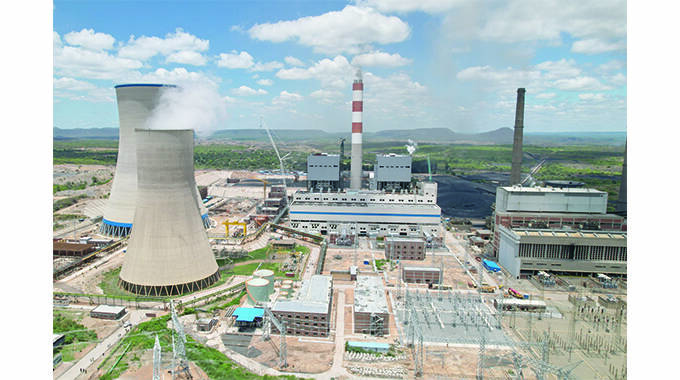
Musa Chibowora-Correspondent
For decades, Zimbabwe’s peak electricity demand has hovered around 2 000 megawatts (MW), a number etched into our national consciousness.
Yet despite an installed capacity of 2 570 MW across our two primary power stations, Hwange and Kariba South, the nation consistently falls short of meeting this benchmark. On May 22, 2025, the Zimbabwe Power Company reported generation figures of just 923 MW from Hwange and 400 MW from Kariba, combined with 43 MW from independent power producers (IPPs), bringing the total to only 1 366 MW.
This stark shortfall underscores an enduring crisis with profound consequences for economic growth, industrialisation and quality of life.
The reality behind the numbers
Hwange Power Station, despite recent investments, including two new 300 MW generators, continues to underperform due to chronic technical failures and aging infrastructure.
Meanwhile, Kariba South is held hostage by diminishing water levels, a harsh reminder that hydro-based generation is only as reliable as the climate allows.
Even as new capacity is added on paper, actual generation capacity remains far below demand.
The result: nationwide load shedding, throttled industrial activity, and limited socioeconomic progress.
The way forward: A multi-pronged energy strategy
Zimbabwe cannot move forward without stable, scalable, and sustainable energy. What’s needed is a well-articulated, three-tiered strategy encompassing short-, medium-, and long-term interventions:
Short-term: Stabilize and supplement
• Import electricity: Secure short-term power purchase agreements (PPAs) with neighbouring countries such as Mozambique and Zambia. These countries have demonstrated potential to export during surplus seasons.
• Fix what we have: Prioritise urgent refurbishment and maintenance of Hwange units.
Optimize existing generation to achieve consistent base load performance.
• Support IPPs: Streamline licensing, offer fair tariffs, and accelerate grid integration for solar and mini-hydro IPPs.
Medium-term: Diversify and decentralise
• Solar investment: Leverage Zimbabwe’s high solar irradiance by fast-tracking large scale solar farms and encouraging commercial and residential rooftop systems.
• Battery storage: Deploy battery energy storage systems (BESS) to enhance reliability and balance supply during peak demand or outages.
• Grid infrastructure: Upgrade transmission and distribution networks to reduce technical losses and accommodate decentralized generation.
Long-term: Build a resilient power sector
• Reevaluate Hydro expansion: Projects like Batoka Gorge must be carefully assessed.
While hydro has long-term potential, it must be balanced against climate vulnerability and high capital costs.
• Develop wind potential: Conduct wind mapping and initiate pilot projects in highpotential zones such as the Eastern Highlands.
• Create a National Energy Plan: Draft a clear, cross-sectoral energy strategy that aligns with industrialization goals and includes financing models such as public-private partnerships (PPPs), green bonds, and climate funds.
Financing the vision
Energy transformation requires capital. Zimbabwe must proactively seek:
• Development finance from entities like AfDB, World Bank, and China Exim Bank
• Private investment through clear regulatory frameworks and guaranteed off-take agreements
• Diaspora bonds and crowdfunding platforms to mobilize citizen participation
Conclusion: Energy is the foundation of national prosperity
Zimbabwe’s economic future rests on our ability to power it. Without electricity, factories grind to a halt, hospitals go dark, and innovation dies in the shadows. But with the right vision, strategy, and execution, Zimbabwe can move from load shedding to light leading the way. We must act with urgency, foresight, and courage.
It’s time to power Zimbabwe’s future. The blueprint is clear, now we need the will.
About the author:
Musa Chibowora is a Chartered Professional Engineer based in Sydney, Australia, with over 20 years of expertise in power systems planning, protection, and renewable energy integration across Southern Africa and Oceania. He is the founder of MTGrid Pty Ltd and serves as a strategic advisor on energy transition projects. Musa currently chairs the Sydney Branch of the joint Electrical and Information, Telecommunications & Electronics Engineering Colleges and sits on the Advisory Board of the Macquarie University School of Engineering