daniel chigunwe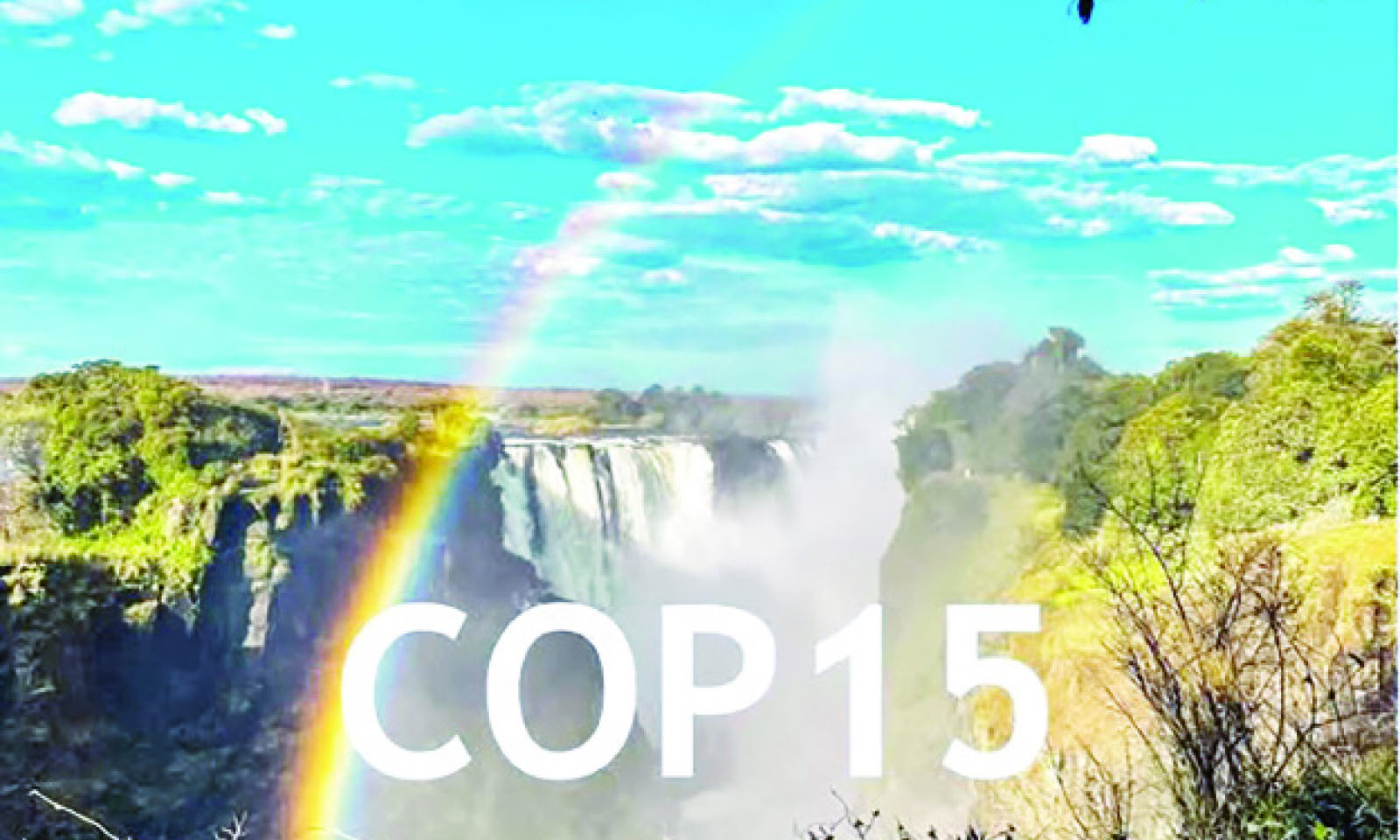
Marilyn Mutize
From July 23 to 31, the world will turn its attention to Victoria Falls, Zimbabwe, where the 15th Meeting of the Conference of the Contracting Parties to the Ramsar Convention on Wetlands (COP15) will take place.
This high-level summit, themed “Protecting Wetlands for our Common Future”, comes at a critical moment in the global environmental calendar.
As the threats of climate change, biodiversity loss and freshwater scarcity intensify, wetlands have emerged as unsung heroes in the global struggle for sustainability.
Hosting COP15 on African soil at one of the world’s most iconic natural wonders offers both a symbolic and practical opportunity to reframe wetlands as essential systems for planetary survival.
Wetlands, often overlooked and underappreciated, are some of the most productive ecosystems on Earth. They regulate water cycles, filter pollutants, store carbon, and provide vital habitats for countless species.
More importantly, wetlands directly support the livelihoods of hundreds of millions of people particularly in the Global South, where communities depend on them for food, water, fuel, and flood protection.
Yet, despite this immense value, wetlands are being lost at an alarming rate. According to international assessments, the planet has already lost more than 35 percent of its wetlands since 1970 a rate of decline faster than that of forests. This tragic erosion of ecological wealth has been driven by urban expansion, agricultural encroachment, industrial pollution, and poor land-use governance.
In this context, COP15 is not merely a technical meeting, it is a moral and political reckoning. The Victoria Falls gathering must be remembered not only for its prestigious setting, but for its potential to shift global mindsets, policies, and practices in favour of wetland conservation. Zimbabwe’s hosting of the event carries special significance.
The country is home to seven Ramsar-designated wetlands and has made strides in mapping, protecting, and managing these vital resources. Victoria Falls itself was recently accredited as a “Wetland City” under the Ramsar Convention, recognizing its efforts in integrating wetland conservation into local urban development planning. This makes Zimbabwe a fitting host and a regional role model for wetland sustainability.
One of the major expectations from COP15 is the adoption of the Convention’s fifth Strategic Plan, which will guide global wetland action from 2025 to 2034.
This new blueprint must be transformative. It must not only restate the importance of wetlands but also establish measurable targets, clear financing strategies, and strong accountability mechanisms. Wetland conservation cannot afford to remain vague or voluntary.
The international community must embrace legally binding commitments, backed by science, financing, and local participation. In this respect, COP15 should mirror the ambition of the Paris Agreement on climate change and the Kunming-Montreal Biodiversity Framework, ensuring that wetland protection is integrated across global environmental goals.
For Africa, COP15 is more than just a conference it is an opportunity to showcase indigenous knowledge, traditional water management practices, and the deep cultural connections that local communities have with wetland landscapes.
Across the continent, wetlands such as the Okavango Delta, the Sudd, and the Zambezi floodplains are not just ecological hotspots; they are spiritual homes and lifelines.
Too often, international environmental governance has overlooked these cultural dimensions. COP15 should therefore amplify African voices and reposition local communities as equal partners in environmental decision-making. This means recognizing land tenure rights, supporting community-based conservation, and ensuring equitable access to climate finance.
Another critical area of focus will be wetland restoration. With so much already lost, there is no path to ecological recovery that does not involve large-scale rehabilitation of degraded wetlands. Wetland restoration also offers one of the most cost-effective solutions to climate change adaptation.
Restored wetlands can mitigate floods, recharge aquifers, and sequester carbon all while enhancing biodiversity. The Freshwater Challenge, an ambitious global initiative to restore 30 000km of degraded rivers and 350 million hectares of wetlands by 2030, provides a strategic framework that COP15 can endorse and localize. Zimbabwe, given its geographical and ecological diversity, can play a leading role in piloting these restoration efforts and sharing lessons learned across the region.
In addition, technology must be harnessed to monitor and manage wetland health. Satellite-based earth observation, geographic information systems (GIS), and artificial intelligence can provide real-time data on wetland loss, water quality, and species movement. Such tools can empower governments, researchers, and communities to make informed decisions.
However, access to these technologies remains uneven, especially in developing countries. One of COP15’s legacies should be the establishment of a global wetland data sharing and capacity-building platform, supported by multilateral donors and technology partners.
Equally important is the issue of financing. Wetlands have long suffered from a lack of dedicated investment. They are often seen as “wastelands” rather than natural capital. COP15 must challenge this perception and unlock both public and private financing for wetland protection. Innovative instruments such as blue carbon credits, wetland-based climate adaptation funds, and green bonds can provide new sources of revenue.
Development banks and philanthropic institutions must also be held accountable for aligning their investments with wetland conservation priorities.
Perhaps the most important test of COP15 will be political will. The ministers, diplomats, scientists, and civil society leaders who gather at Victoria Falls must rise to the occasion. Environmental multilateralism is at a crossroads. After decades of grand declarations and slow implementation, the global community can no longer afford incrementalism.
Wetlands are vanishing. Species are disappearing. Communities are being displaced by floods, droughts, and ecological degradation. COP15 must send a clear and urgent signal: wetland loss is not a side issue it is central to our shared future.
In the end, the power of COP15 will not lie in the number of pages adopted or sessions held. Its true value will be determined by the actions taken after the summit.
Will countries return home with the courage to reform destructive land-use policies? Will financiers reimagine wetlands as viable investments in resilience? Will communities be empowered, not just consulted? And will the Ramsar Convention itself evolve from a technical agreement to a forceful advocate for planetary health?
As the thundering waters of Victoria Falls echo across the region, they remind us of nature’s power and its fragility.
The spray that rises from the gorge is more than a spectacle; it is a call to action. COP15 is that call made tangible. It is a once-in-a-generation opportunity to place wetlands at the heart of global environmental recovery. Let us hope that the leaders who gather in Victoria Falls hear that call and answer it with ambition, unity, and resolve.



 Online Reporter