


 tawandamusarurwa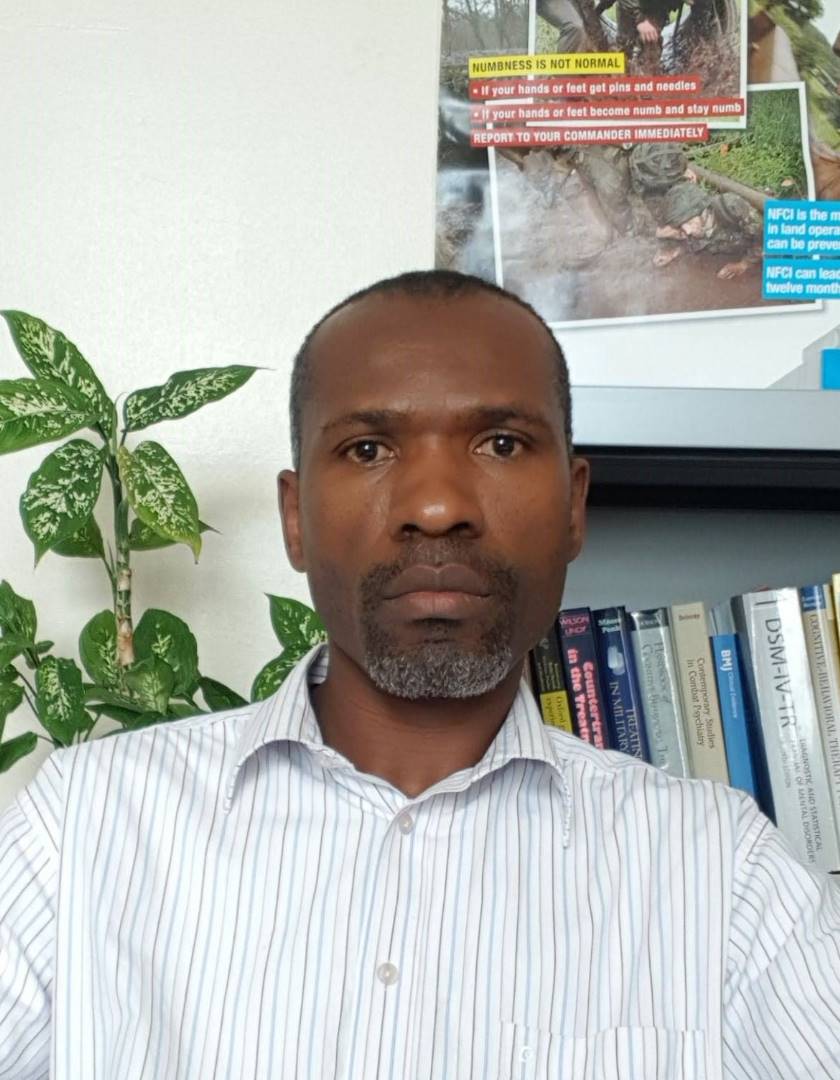
Mertha Mo Nyamande
WE recently celebrated our mothers and I feel it is still important that we have a deeper appreciation of their role in our lives.
Most people only understand trauma as something terrible or horrible, like experiencing or witnessing rape, murder or violence. But the concept of trauma goes far beyond this.
Trauma can be something that is imagined. Psychological trauma is a huge issue whenever we talk of mental stability and psychological distress.
The foundations of trauma run as deep as “the trauma of birth”, taking this from a twentieth century psychologist, Otto Rank, who posited that most of the mental disorders that people struggle with can be traced to the difficulty of their birth, especially those termed “irrational” thoughts or fears.
Rank suggested that the process of birth is quite a traumatic experience for both the mother and baby, which, if not managed properly, could see the two struggle insurmountably beyond this point.
Most mothers will never forget the amount of blood lost and the pain experienced. They will also not let you forget that you caused them pain in delivering you.
This is why you will always be their baby regardless of how old you become, and overly sensitive to anything that happens to you.
The baby also goes through its own experience.
Many babies have been described as having stopped breathing for some minutes, beyond what we understand the brain can tolerate, or turned blue at birth.
As much as the babies may never have conscious memory of these experiences, they may just remember that being in confined spaces is scary. They may then get into a panic attack when they are reminded of the near-death experiences they encountered in the birth canal.
These are very powerful and highly emotional moments in people’s lives.
Wars have been ignited by talk of conception, birth and labour.
It is largely due to these unresolved traumas that post-natal depression can arise, and can exacerbate a mother’s underlying anxiety. Some women and men can make unconscious decisions not to have children because of these experiences.
All the other traumas become difficult and can develop into post-traumatic stress disorders, especially if the foundational trauma has not been safely processed.
Mental difficulties accumulate and become a mountain of very small issues, and this is what makes mental health difficult to remedy.
Mental disorders and illnesses have received negative publicity in the past centuries, leaving the terrible stigma that has made this subject almost taboo in any society on the planet.
While some societies are increasingly accepting the labels for various reasons, the treatment of the conditions remains largely misunderstood. The Americas are almost proud to announce or share the advice of their therapists, while in the United Kingdom, those diagnosed with bipolar disorder receive better social welfare support.
We also have a lot of poor coping mechanisms in the form of drug and alcohol abuse, violence and addictions as a result of these unresolved traumas.
While the traumas themselves do not necessarily cause addictions, the quest for solutions is what enhances the vulnerabilities that lead to anything that seems to “take the pain or distress away”, even for a moment.
That little moment of relief is worth anything that money can buy.
So, it is critical that we understand the nature of the problem before we jump in with whatever army to fight an enemy we are yet to recognise.
More often, such brilliant kneejerk interventions will only be effective for a moment, just like the honeymoon or cupcake phase of a relationship. They rarely bring about lasting solutions. Once reality hits, we get back to square one, if not far beyond.
To the clinicians, please take time to understand the traumas in your clients’ lives and know how they impact their presentation. You will save yourself and your clients pain and distress.
To the authorities, there is much more that families and their supporting communities require in order to establish their own solutions to whatever difficulties they may be suffering.
Often, we compound their anguish with our poorly understood approaches and half-baked interventions, especially the punitive ones.
Mertha Mo Nyamande is a psychotherapist. He can be contacted on: [email protected] or @ www.i-wellbeing.weebly.com



 Bongani Ndlovu
 Online Reporter