


 Online Reporter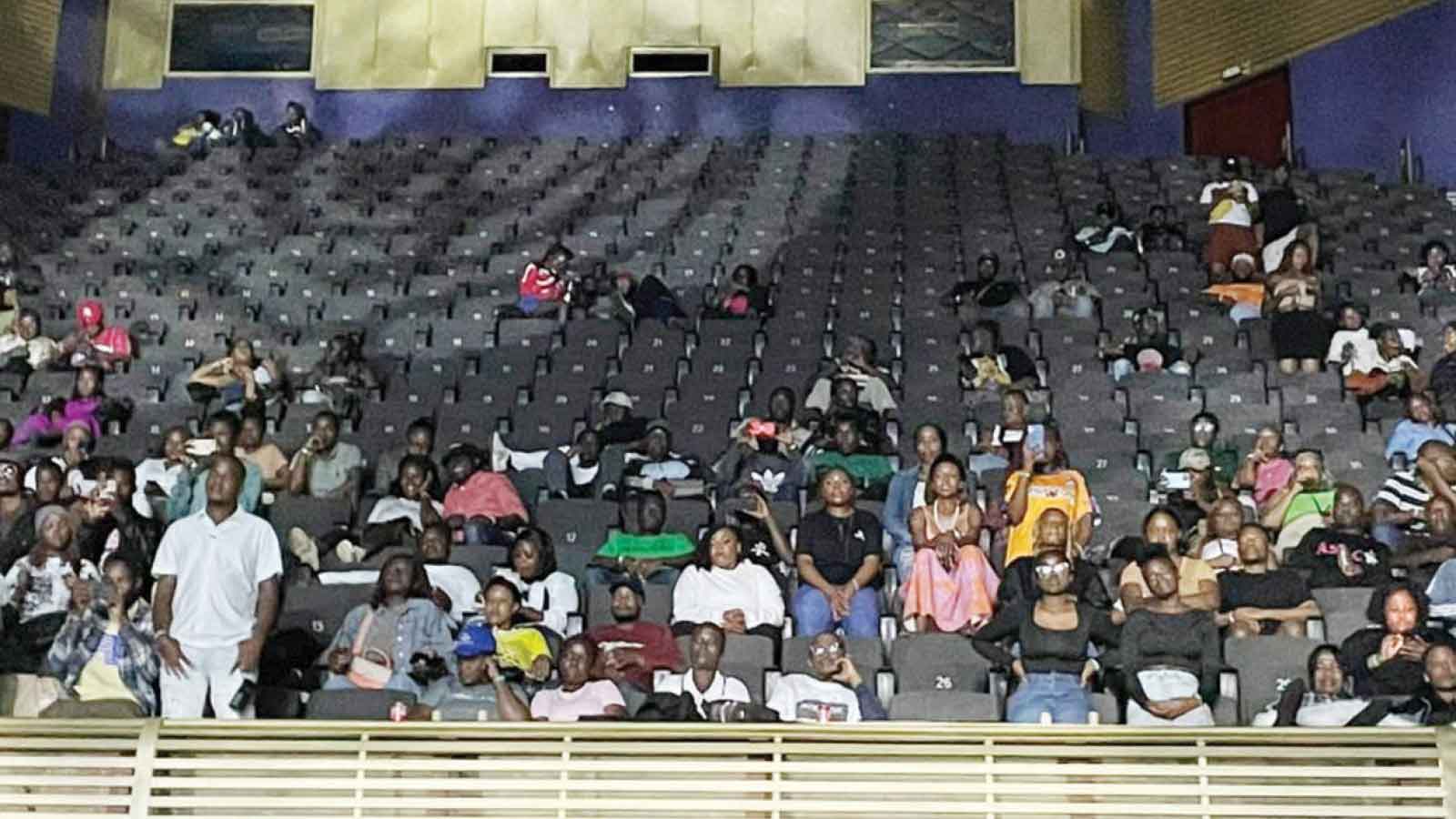
Tafadzwa Zimoyo and Maria Chiguvari
COULD this be the BIGGEST FLOP of the year?
Or are critics pulling the trigger too early?
Barely four months into 2026, the much-hyped Afro Culture Connect has found itself under intense scrutiny after a night that promised fireworks but delivered flickers.
Yet, with the calendar still in April and Zimbabweans firmly in the Easter, mood some argue it’s too early to call it the biggest flop.
After all, this is a season when families retreat to rural homes, churches overflow, and entertainment often takes a back seat.
But forgiveness only stretches so far.
Because what unfolded at the Harare International Convention Centre on Saturday night has raised uncomfortable questions not just about one event, but about planning, arrogance, and whether promoters are truly in touch with their audience.
Let’s start with the basics: due diligence.
Was it done?
The idea itself wasn’t flawed.
Riding on the generational wave that powered the wildly successful Ama2K Festival, Afro Culture Connect tried to tap into the same Gen Z versus Millennial rivalry.
On paper, it made sense.
In reality, it collapsed under its own assumptions.
Industry insiders say the organisers may have overestimated demand and underestimated competition.
Because while HICC doors were open, crowds were elsewhere split between the Ama2K wave and the buzzing Majeso Festival.
In showbiz, timing is everything.
And this time, timing may have been the silent killer.
Then comes the uncomfortable question: Was the marketing strong enough?
For an event of that scale, visibility felt strangely muted.
There was no overwhelming buzz, no unavoidable hype, no sense that Harare had to be there.
In a digital age where events live or die by social media traction, whispers simply couldn’t compete with the noise created by rival shows.
And maybe just maybe the organisers aimed too high with the venue.
HICC is iconic, yes.
But it is also unforgiving when it’s not full.
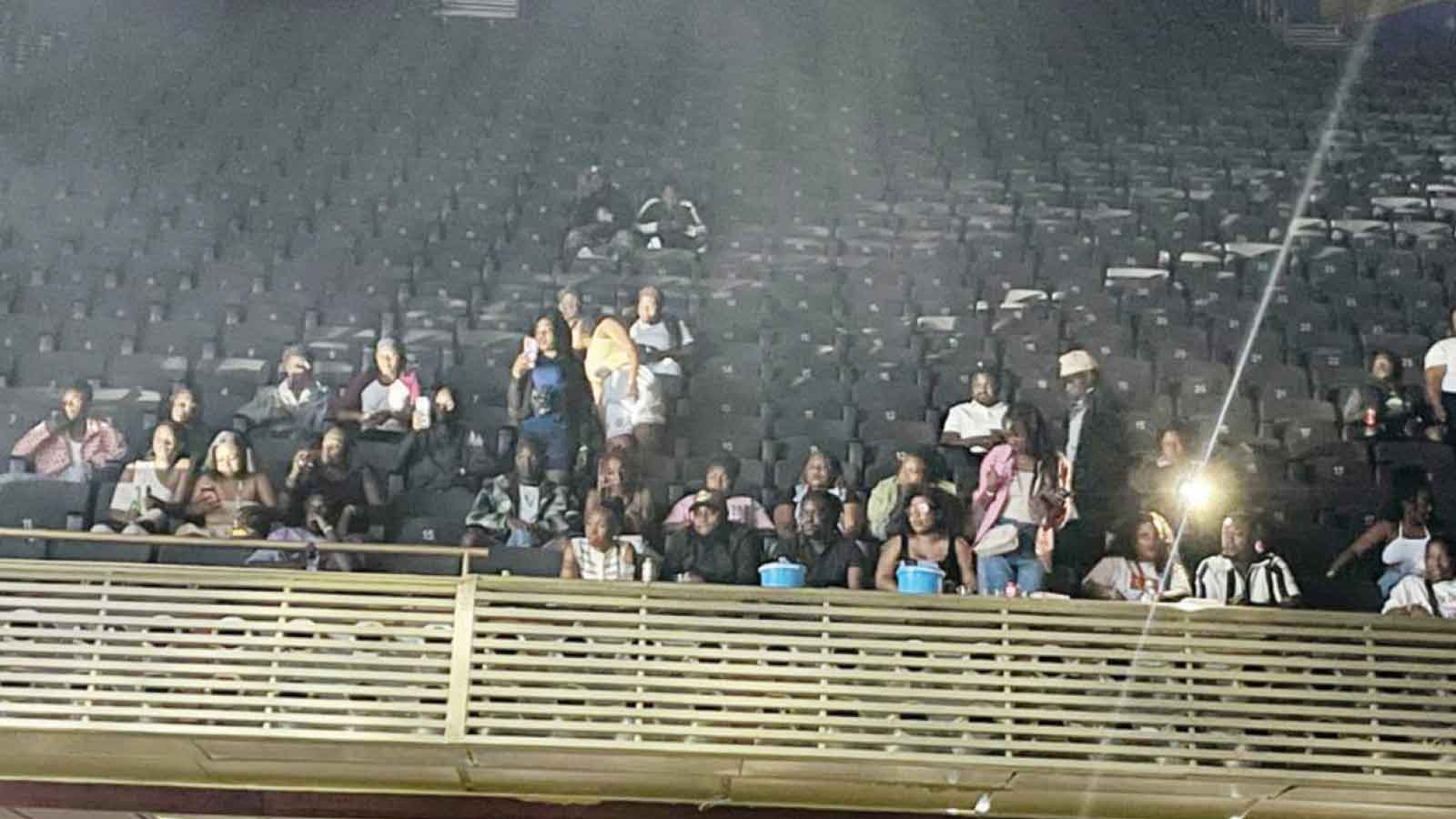
By 10pm., a time when major shows should be bursting at the seams, parking was still available.
Not just a few spots but enough to make early arrivals pause and wonder: Where is everyone?
Inside, the situation didn’t improve.
Large pockets of empty seats disrupted the energy, creating a disconnect between artists on stage and the crowd they were meant to feed off.
It’s the kind of atmosphere no performer wants, where applause echoes louder than it should.
Then came the moment that sealed the narrative.
Around 11 pm, organisers made a controversial call—inviting fans from the general access section to move into VIP.
A quick fix?
Maybe.
A fair one?
That’s debatable.
Because what does it say to those who paid premium prices for exclusivity, only to watch that privilege diluted in real time?
Some attendees felt short-changed, arguing that the move exposed poor planning rather than solving it.
“It felt like panic,” one patron whispered. “VIP is supposed to be special. Not something you open up because numbers are low.”
Still, the show had to go on.
On stage, the performances tried to rise above the chaos. Despite the underwhelming turnout, Jah Prayzah proved why he remains one of the country’s most dependable performers, delivering a polished and energetic set that rose above the night’s shortcomings. His live band remained tight, his vocals on point, and his stage presence unwavering—turning what could have been an awkward performance into a reminder of his professionalism and consistency, even when the odds were clearly not in his favour.
Jamaican star Alaine Laughton brought her signature smooth vocals, but questions lingered about her pull on the current Zimbabwean market.
While respected, her appeal may not have been strong enough to anchor such a high-stakes event in today’s fast-evolving music scene.
And then there were the technical glitches.
Sound issues crept in, instruments clashed instead of blending, and at times the production felt rushed, undermining performances that deserved better.
By the end of the night, the gap between ambition and execution was impossible to ignore.
So, was it the biggest flop of the year?
Maybe.
Or maybe it’s too early to crown it just yet.
What is certain, however, is that Afro Culture Connect has become a cautionary tale one that exposes the dangers of poor timing, overconfidence, weak marketing, and misreading your audience.
Because in today’s entertainment game, it’s not enough to have a big idea.



Elsewhere there was something completely different. Hodes of youths abused drugs and alcohol in the name of celebrating Easter. It’s a shame when Zimbabwe promotes such behaviour in the name of arts festivals.