admin
admin
Rumbidzayi Zinyuke, Senior Health Reporter
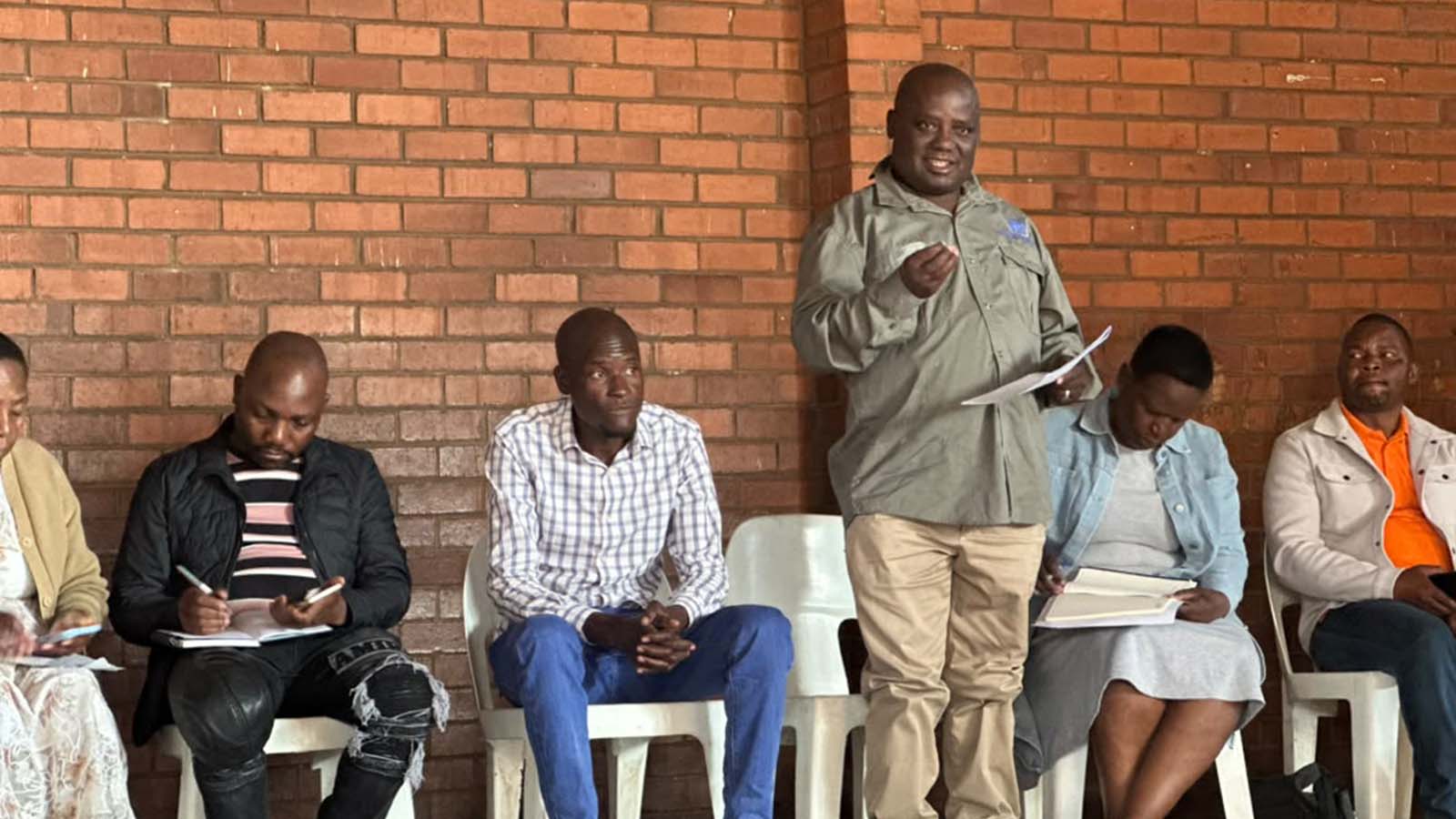
Three health workers in each municipal clinic countrywide are being trained to identify some of the most common childhood cancers, as the country moves towards improving the health outcomes for affected children by ensuring the most common are sent for diagnosis early.
The programme, being spearheaded by KidzCan with support from the Ministry of Health and Child Care, focuses on three of the most common childhood cancers: retinoblastoma, Wilms’ tumour and leukaemia.
It is part of efforts to equip healthcare professionals with knowledge and skills to recognise early signs and symptoms of the diseases.
KidzCan executive director Mr Daniel Mckenzie said the campaign sought to promote early detection and referral to reduce delays in treatment.
“We believe that early detection is key to combating childhood cancers,” he said.
“We have partnered the municipality and city health departments in different provinces where we are facilitating the training of nurses and home-based care workers on the ground on identifying the three most common cancers in Zimbabwe, namely retinoblastoma (cancer of the eye), Wilms tumour (cancer of the kidney) and leukaemia (cancer of the blood).
“So far, we have done Harare and Bulawayo and we will be going to Mutare and Gweru. Hopefully we will finish all the provinces in Zimbabwe.”
Mr Mckenzie said when children were brought to the clinics, at least if the health workers knew the signs and symptoms, they could refer the child early for specialist treatment, because “we feel that they are also part of the delay in the referral process.”
KidzCan supports Parirenyatwa Hospital, Sekuru Kaguvi Eye Hospital, Sally Mugabe Central Hospital and Mpilo Central Hospital, where children identified in clinics can be referred for further management and treatment.
“Over the years, we have been raising awareness and due to that, more children are presenting. And maybe also due to the different lifestyles within our communities, children are getting cancer, so more of them are coming through. For us, it is not just about raising awareness, it is also about clinical support and capacity building,” said Mr Mckenzie.
Every year, an estimated 400 000 children and adolescents develop cancer globally.
While childhood cancers accounted for 3,7 percent of all cancers recorded in 2018, there has been a significant increase in the number of children who present with the disease in the country’s hospitals over the years.
However, poor health seeking behaviour by most caregivers, misdiagnosis and late referrals have contributed to a low survival rate of 20 percent for children diagnosed with cancer.
Zimbabwe is one of the focus countries in the World Health Organisation’s Global Initiative on Childhood Cancer, which aims to increase the survival rate of children diagnosed with cancer to 60 percent by 2030.
To this end, KidzCan is engaging stakeholders to raise awareness on childhood cancers this September, which marks Childhood Cancer Awareness Month.
Last week, the focus was on apostolic churches where 10 coordinators seconded by the Apostolic Churches Council of Zimbabwe received training.
“We are saying early detection is the best protection. So the fact that they have now come on board, is a huge opportunity for us as a foundation, even as a country. The Ministry of Health has also embraced that because now they can also vaccinate the children,” said Mr Mckenzie.


 Online Reporter