Online Reporter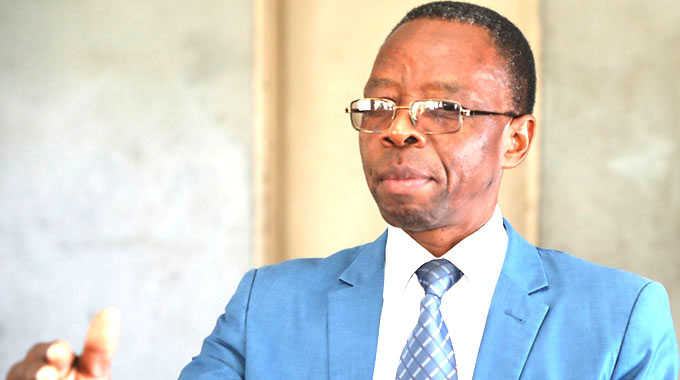
Freedom Mupanedemo [email protected]
LOCAL authorities have been challenged to improve service delivery and eliminate bureaucratic hurdles to attract and retain investment as Government intensifies efforts to advance its devolution, modernisation and industrialisation agenda.
The call was made by Midlands Provincial Affairs and Devolution secretary Dr Edgar Seenza while officiating at the groundbreaking ceremony for the US$2,5 million Nichrut College in Donga, Shurugwi District, a project expected to boost educational infrastructure and create employment opportunities in the area.
The college, which is being financed by Shurugwi entrepreneur Mr Nicholas Gara, is scheduled to commence construction next month and is expected to create more than 100 jobs during the building phase.
Dr Seenza said local authorities play a pivotal role in attracting investment and must create a business-friendly environment by ensuring efficient service delivery and reducing administrative barriers that often delay projects.
“I challenge local authorities to make themselves more attractive to investors by providing efficient service delivery as well as removing bottlenecks that make it difficult for investors to speedily set up businesses,” he said.
Dr Seenza said councils are central to the implementation of the devolution and decentralisation agenda and should take the lead in promoting investment opportunities within their communities.
“To this end, I implore our local authorities, who are the drivers of the devolution and decentralisation agenda at local level, to fully embrace investment promotion in their areas of jurisdiction by promoting ease of doing business and strengthening service delivery guided by global best practices,” said Dr Seenza.
He said investment in the education sector was particularly significant as it not only improves access to quality learning facilities but also broadens the economic base of local communities while strengthening social infrastructure.
“Investment in education represents an opportunity to channel locally generated capital into a different segment of the economy while simultaneously expanding social infrastructure,” he said.
Dr Seenza said Government’s vision was to see public and private sector investment working hand in hand to drive infrastructure development, modernisation and industrial growth in line with Vision 2030.
“The Nichrut project is consistent with the Government’s policy of encouraging public-private partnerships and indigenous investment,” he said.
He urged local authorities to move beyond ceremonial project launches and ensure that approved investments progress to the construction and operational stages where communities can begin to realise tangible benefits.
“Local authorities must also create an operating environment in which projects can move from proposals and groundbreaking ceremonies into construction and ultimately operation,” he said.
Dr Seenza said the college project would provide an immediate economic boost through job creation during construction while generating long-term employment opportunities once operational.
“I am reliably informed that construction of Nichrut Private College will commence in September this year and offer employment to more than 100 people. The college therefore gives Shurugwi an immediate construction project while potentially creating permanent teaching, administrative and support-service employment once operational,” he said.
Dr Seenza also encouraged districts to identify and support indigenous entrepreneurs capable of driving local development, citing Mr Gara’s investments in mining, agriculture and sport as examples of how local capital can contribute to national growth.
Mr Gara said the college project formed part of his broader commitment to supporting infrastructure development and expanding opportunities within the district.
“The project is going to create employment and expand local infrastructure. It will accommodate about 300 learners from Form One to Form Six and generate more than 100 jobs during construction,” he said.
The college is expected to improve access to private education in Shurugwi while stimulating economic activity through employment creation, procurement opportunities and increased demand for local goods and services.