

 Chronicle Editor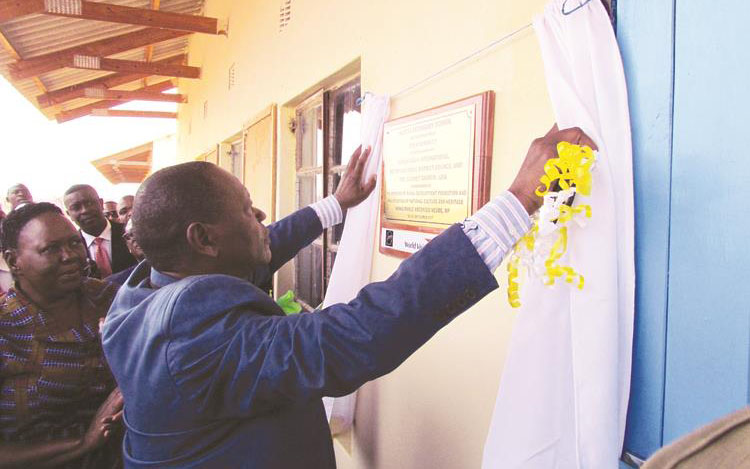
Thupeyo Muleya Beitbridge Bureau
Government is pushing for local authorities to prime their budgets for service delivery by embracing the 30-70 ratio for salaries to service delivery, a Cabinet minister has said.
Speaking during the commissioning of Masera Secondary School here last week, Rural Development, Promotion and Preservation of National Culture and Heritage Minister Cde Abednico Ncube said poor budgeting and poor planning had seen many rural district councils (RDCs) failing to meet service delivery and economic development targets.
“Government continues to note with concern that the majority of local authorities are struggling to meet statutory remittances, while accruing backlogs in salaries, pensions and other obligations. To mitigate against the foregoing, councils are being urged to comply with 30-70 budget ratio of salaries to service delivery as stipulated by the ministry,” he said.
Minister Ncube said it was important for councils to engage their creditors to come up with viable payment plans. There was need to focus on developing rural areas, he said, since there were home to 70 percent of the country’s population. Minister Ncube said most rural areas were still lagging behind compared to urban settlements in areas such as economic opportunities, infrastructure development and access to social services.
“On the other hand, rural local authorities play a pivotal role in national development through an effective and participatory social service delivery system,” he said.
Consultations, Minister Ncube said, were critical for councils to have buy-in and acceptance of their programmes. He stressed on the need for local authorities to incorporate transparency and accountability to residents and ratepayers. Beitbridge West legislator Cde Metrine Mudau hailed the construction of Masera Secondary School, saying it would go a long way in addressing some of the challenges related to access to education.
Children in the area used to walk for over 15 kilometres to the nearest secondary school before its construction. World Vision Zimbabwe’s regional manager for Matabeleland South Mr Shepherd Dhlamini said they spent $120 000 on the school, while villagers and commercial farmers contributed other resources. He said World Vision Zimbabwe was involved in a number of programmes to complement Government’s thrust in the provision and improvement of access to quality education.



 Online Reporter