Chronicle Editor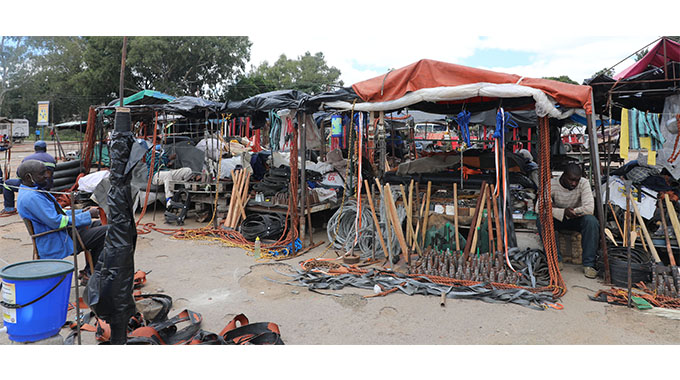
Melody Dube, Features Reporter
The Covid-19 pandemic has disrupted the lives of many in Zimbabwe and vendors have been no exception.
To help slow the spread of the coronavirus, the country has had to impose strict lockdowns which inhibited informal traders from continuing with their businesses as usual.
The pandemic has been with us for a little over a year and vendors who make a living from selling mostly perishable goods to passersby on the streets have been left to count their losses.
Informal traders constitute a huge chunk of the country’s workforce with many receiving significant gains from buying and selling a variety of goods.
However, due to the Covid-19 pandemic, livelihoods have been compromised as vendors were not allowed on the streets during lockdown.
Even those who continued to trade illegally did not realise much as people were instructed to stay at home and avoid unnecessary travel.
As a result, the daily living for many was disturbed.
A significant number of vendors in Bulawayo have had to grapple with unmet expenses including accommodation, food, water and electricity bills. Survival through the lockdowns has been a struggle for them.
When President Mnangagwa announced the relaxation of lockdown regulations recently, many vendors heaved a sigh of relief as they could resume their operations more freely but it is still not business as usual for them.
There have been increases in wholesale and retail prices hence the purchasing of products to sell is now more expensive.
Several vendors operating from Renkini Long Distance Bus Terminus said the hardships resulting from the lockdowns are continuing even when the regulations have been eased.
Mr Thethelela Ncube who sells vegetables said that the lockdowns were harsh on him and his family.
“It has been very difficult for us,” he said.
Mr Ncube described the lockdown period as the most brutal time he has ever had to live in saying, “The lockdown disrupted our lives. We struggled to survive as we had nothing to do and nobody to sell our goods to.”

He said he was forced to cultivate a small piece of land in his neighbourhood in order to get something to eat.
“As it is, I have a pile of overdue bills for rentals, water and electricity. My landlord wants his money, the City Council wants its money, Zesa wants its money, and Nyaradzo wants its money because I have a funeral policy there,” he said.
Mr Ncube said the situation is not any better even after the relaxation of lockdown regulations.
He said the biggest problem vendors are facing is the price hikes at the market where they purchase their wares.
Mr Ncube hopes the Government will lend a helping hand so they can revive their small businesses.
Miss Dorothy Dube who runs a vegetable stall next to Mr Ncube’s said overdue bills are the critical problem they are faced with at the moment.

“We are still trying to pay off the overdue bills which means that the little money we get here goes there. At the end of the day, we’re left with nothing. We still need money to pay school fees but we just don’t have it,” she said.
Miss Dube also suggested that the Government assists them with money so that they can venture into bigger businesses which will quickly solve their money problems.
If aided with money, she said she would set up a tuck-shop or a flea market where she will sell goods that will realise better profit margins.
Ms Sitshengisiwe Ncube, another vendor operating from Renkini, said Government loans would go a long way in assisting them to recover from lockdown losses and start bigger businesses.
The plight of the vendors in Bulawayo is a sorrowful one. However, there is hope that the situation will get better as they are now allowed to sell again.
Mr Johnson Nzimande from Emthunzini suburb said he has seen a bit of change since he started business last week.
He sells axes, hoes, catapults and cattle bells that he sends by buses to customers in the rural areas.
“It is a bit of a relief that the lockdown regulations have been eased and the buses can move between cities again. Now I am able to send my goods to my customers in the rural areas. During the lockdown, I would come here (Renkini) and find nobody to send my goods with. The situation has become better since buses started moving, and I am confident that it will continue getting better,” he said.



 Online Reporter