

 admin
admin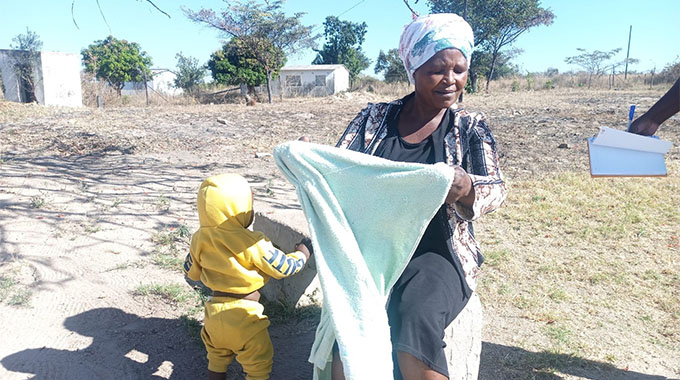
Phyllis Kachere Deputy News Editor (Convergence)
When Zimbabwe launched its inaugural Covid-19 national vaccination campaign in February 2021 after two years of national lockdown, Mrs Emma Murikitiko (37) of Mashonganyika Village in Zvimba district’s Ward 4 says she was pregnant with her second child.
“There was a lot of misinformation and even lies were told about the effects of vaccination. I chose not to get vaccinated against Covid-19 as I feared an unknown calamity would befall my unborn baby. Health workers tried to dispel my fears, but I preferred not to get immunised.
“I gave birth later that year, and again my excuse for not getting immunised naturally became breastfeeding. My defence was; I could not risk my baby whom I was breastfeeding by getting immunised. Again, despite assurances from health experts, I refused to vaccinate.
“Ironically, I am pregnant again and I have not yet been vaccinated. Today, I have come for my ante-natal care here at Masiyarwa Clinic and I am going to be immunised for Covid-19. Now, unlike two years ago, I have better information on how the Covid-19 vaccination works. Our village health worker sat down with my family and explained clearly how the Covid-19 vaccines work. I am now confident. I have come to be immunised,” said Mrs Murikitiko during an interview with journalists at Masiyarwa Clinic in Zvimba.
The journalists were on a tour of project sites of a door-to-door campaign being carried out by the Health and Child Care Ministry and the Zimbabwe Red Cross Society (ZRCS) with support from Africa CDC Saving Lives and Livelihoods in partnership with MasterCard Foundation in Mashonaland West and Midlands provinces to generate Covid-19 vaccination uptake.
“This programme seeks to understand the beliefs, fears, rumours, questions, and suggestions circulating in communities about the Covid-19, including the vaccine and use this to inform the response,” said ZRCS secretary-general Mr Elias Hwenga.
“We also want to reduce community fear, stigma, and misinformation, including on the vaccine as well as building trust in the response and the health advice shared, including on the vaccine.”
Mr Hwenga said the programme will also help communities share timely, accurate information about Covid-19, and the vaccine, through most trusted channels.
In an earlier interview during another media tour of project sites in Chegutu, District Medical Officer Dr Tonderai Nhende said:
“The recent declaration by the World Health Organisation that Covid-19 was no longer a global health emergency was more of a technical statement. We are not yet out of the woods. It is winter time and the Covid-19 virus is more active and easier to transmit. We encourage the public to get vaccinated, wear face masks and practice good hygiene to prevent Covid-19 from spreading.”
Dr Nhende said it was paramount that Covid-19 transmission was mitigated at all costs to prevent straining the public health systems.
District Environmental Health Officer Ms Nyarai Chikwavarara attributed the increase in Chegutu district’s Covid-19 uptake from 40 percent to the current 66 percent to the door-to-door campaign by village health workers.
“Door-to-door Covid-19 vaccination is bringing results to our campaign to increase uptake and demand in Chegutu district. Most community members are self-employed either as small scale farmers, artisanal miners or vendors.
“We also have apostolic faith sect members who prefer discretion as their faith forbids them to be hospital treated or vaccinated. We arrange with our health workers for them to be vaccinated discretely, health personnel will visit homes discretely and anonymously. Mobile vaccination has greatly served our district. Our vaccination coverage is improving rapidly,” said Mrs Chikwavarara.
She said because the communities are mostly self-employed at their gardens or small scale artisanal mines;
“They say they cannot afford to leave their work stations to travel distances to health facilities where they will join long queues to get vaccinated.
“To counter that, we have come up with mobile Covid-19 vaccination teams that go to the people. We have recorded marked improvement in Covid-19 vaccination coverage through these campaigns and we continue to embark on these to reach the 70 percent national herd immunity.”
Mrs Chikwavarara said so far, they received some of their highest vaccination uptake figures from Madamombe Gardens and Pickstone mining area where communities were vaccinated against Covid-19 at their stations.
“It was the same at Pickstone mining area where we again recorded high numbers as we vaccinated the artisanal miners as they worked,” said Mrs Chikwavarara.
Mrs Rachel Hamisi (58) of Denhere Village said it was important for her to get Covid-19 vaccination as a way of saving her life and good health.
“We all know how Covid-19 ravished nations. I was one of the first in my village to get vaccinated against this disease. I am glad I got all in all; three jabs. I am in what can be termed as high risk stage because of my advancing age and health condition. I am hypertensive and diabetic. I want to encourage my hesitant colleagues to get vaccinated,” said Mrs Hamisi.


 leeroy
 Online Reporter