admin
admin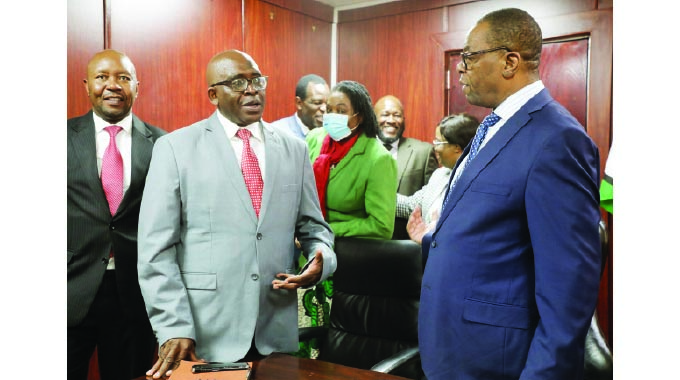
Rumbidzayi Zinyuke
Health Reporter
A CRACKDOWN on substandard and fake goods is looming as Government moves to ensure food products finding their way onto the local market are of good standard and safe for the public to consume.
This comes at a time the country has been reporting an influx of substandard and counterfeit food products, medicines and beverages.
While most of the products are being sold on the street and in tuck shops around the country, some substandard products have been flagged in supermarkets.
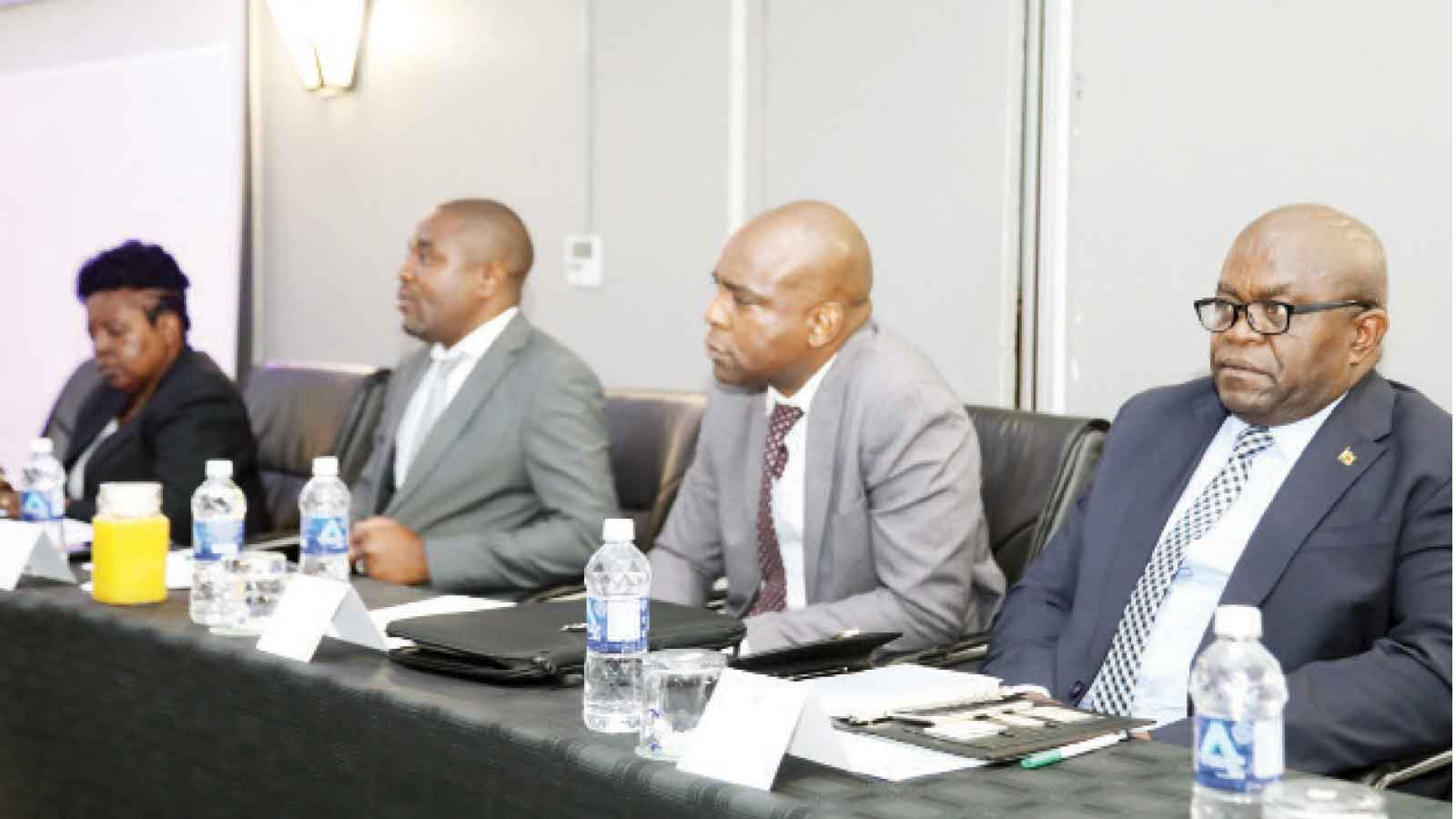
Yesterday, Health and Child Care Minister, Dr Douglas Mombeshora, inaugurated the new Food Standards Advisory Board (FSAB) which will oversee the enforcement of standards on all food products being produced and distributed in the country.
Dr Mombeshora said the board would play an instrumental role in identifying the products both in supermarkets and on the streets, and take samples for testing for the Government to take action.
“There are plenty of products that are on the market which are properly produced and packaged but they are being sold in tuckshops or on the pavement and yet at the same time, there are products which are being produced by properly registered companies which are substandard,” he said.
“That’s where they (the board) come in to say ‘is this product of the required standard or not’. Whatever product is on the market, whether on the street or in a proper supermarket, the question is, is it suitable for human consumption?
“So, the samples that are being produced are being collected periodically and sent to the lab to make sure the standards are being maintained.”
The Food Standards Advisory Board is made up of 16 members drawn from various organisations and constituencies that have a stake in food safety control. The board is chaired by Mr Panganayi Hare from the Law Society of Zimbabwe.
Dr Mombeshora said the board was expected to, among other things, certify food products for purposes of local sale, export and import on behalf of the Minister.
“In accordance with Section 18, subsection 5 of the Act, the broad function of the FSAB is to advise the Minister of Health on all matters relating to food and food standards, specifically to consider applications for use or introduction of new food products, ingredients or food articles on the market and advise the Minister of Health accordingly,” he said.
The board is also expected to formulate food safety and quality policy, amend and revise food laws and regulations, carry out risk analysis for food contaminants and assist in the education of consumers on food safety and quality issues.
It is also expected to work closely with other Government departments to make sure that consumers are not exposed to unsafe food.
Consumer Council of Zimbabwe chief executive officer Mrs Rose Mpofu said the board was faced with a huge task to ensure products on the market were safe for the people.
“Indeed, we are facing a lot of challenges as consumers with regards to counterfeit products on the market. When we are looking at foodstuffs, it is very concerning because food is medicine, really. It’s about life and death. And when there are counterfeit food products, it’s a big danger to the public.
“We are working together with key stakeholders, particularly the Ministry of Health and Child Care, where we take samples whenever there are suspicions that the food is counterfeit,” she said.
Mrs Mpofu said samples of suspicious alcoholic beverages had been taken to Government analyst laboratories for testing and action had been taken on those found to be counterfeit.
It was imperative for consumers to exercise caution when purchasing food, medicine and beverages, she said.
“As a consumer, you have a right to safety. This includes products, particularly the food products. Let’s be careful about what we consume, let’s be careful about counterfeits, and let’s always ensure that we request for proper information before we consume,” she said.
Mr Munyaradzi Masiyambiri, director Government Analyst Laboratory in the Ministry of Health, said there was a lot of work to do to ensure the safety of food in the country.
“Samples come to the lab via the inspectorate, the environmental health department, in response to the public needs.
“So, at any particular time if there is a crisis like cholera, of course we get a huge sample search but currently we are comfortable. We have been given the necessary resources to look at the food safety issues that are of concern,” he said.
The Food Standards Advisory Board is expected to participate in the international food standards setting activities of Codex Alimentarius, World Trade Organisation Sanitary and Phytosanitary (SPS) Measures Committee, African Organisation for Standardisation (ARSO) and the International Standards Organisation to keep up with international food safety standards requirements.
Under the previous board, more than 90 bottled water brands were certified as well as many pre-mix suppliers under the food fortification programme. More than 20 food products were also certified.


 Online Reporter