Online Reporter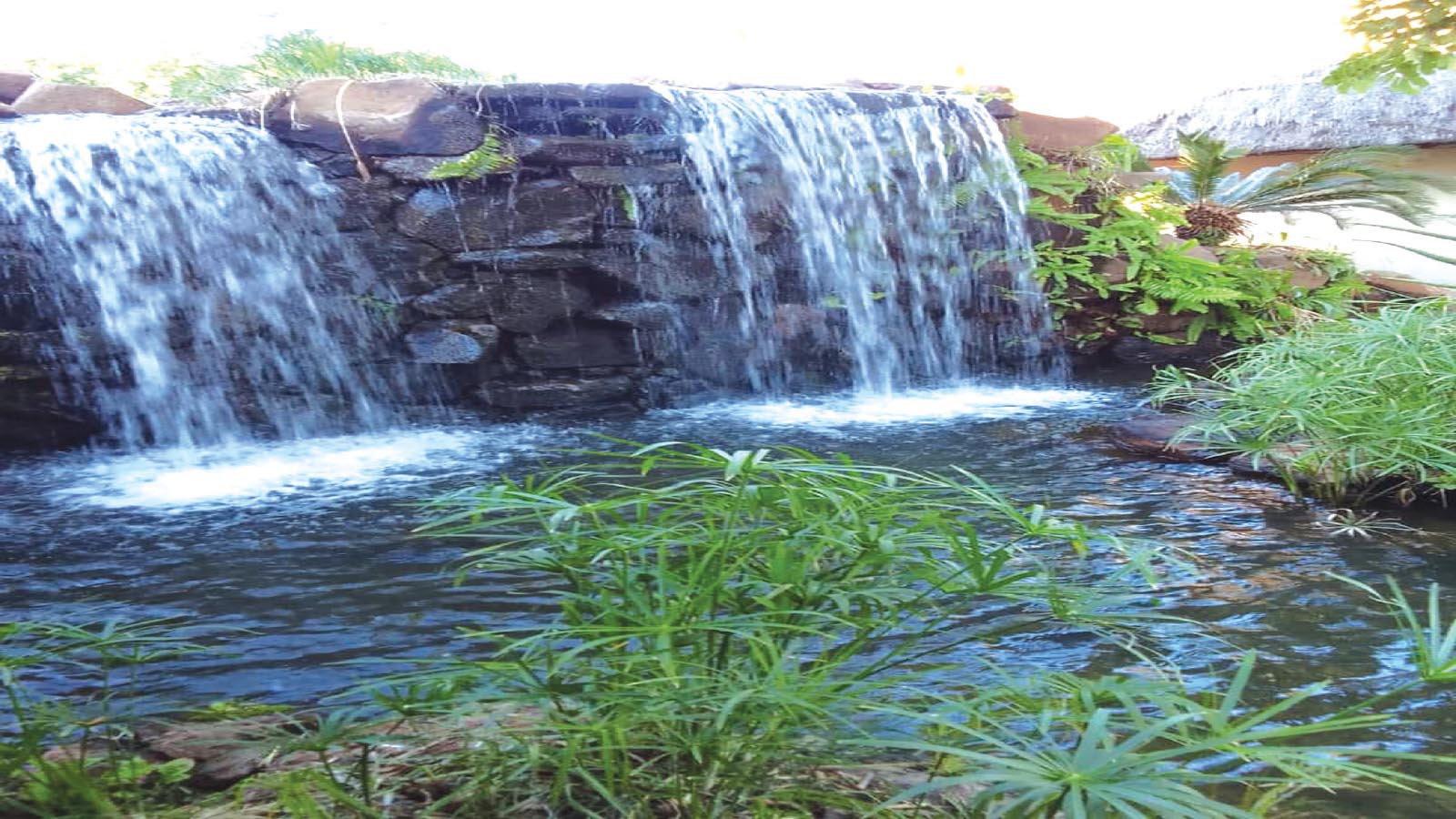
Andrew Mangwarara
DID you know that a healthy garden and a thriving wildlife population share a symbiotic relationship?
Promoting a garden where nature can flourish — rather than maintaining a sterile space — offers numerous benefits.
Insects, birds and small animals contribute significantly to soil health through burrowing and organic waste, which introduces vital nutrients into the earth.
Even in a small garden, you can play a key role in boosting biodiversity and helping combat climate change.
Here are the most effective ways to attract wildlife and build a thriving garden ecosystem:
Always opt for native species, as they provide the essential nourishment local wildlife needs. Exotic plants often do more harm than good, whereas the right native flora attracts a rich variety of butterflies, birds and beneficial creatures.
Consider planting a hedge instead of installing a rigid boundary fence to allow animals to pass through safely.
Adding roosting structures, wildlife houses or old logs in shaded spots gives small creatures safe places to nest.
Most importantly, ensure constant water supply.
Installing a birdbath or a garden pond offers a vital lifespan on hot days, attracting everything from birds to bats and dragonflies.
Installing bird feeders with seeds and nuts is an excellent way to invite life into your space. However, feed in moderation so local animals do not become entirely dependent on human assistance for survival.
When designing your layout, leave a few untamed areas.
Allowing grass to grow long creates habitat for small mammals, which in turn supports natural predators.
You can also plant a mix of native wildflowers and grasses to form a mini meadow that hums with insect activity.
Additionally, planting native trees creates a layered canopy that dramatically increases your garden’s carrying capacity.
To ensure a continuous food supply, design your planting calendar so that different species bloom across all four seasons, providing nectar and seeds when resources are otherwise scarce.
Avoid chemical pesticides entirely.
They kill beneficial insects and build up in the food chain, eventually poisoning birds and larger predators
Composting organic matter generates warmth for hibernating insects and creates nutrient-rich humus that replenishes your soil, eliminating the need for synthetic fertilisers.
A garden is never truly complete as a static, lifeless space; it needs the movement of wild creatures to come fully alive.
If you would like to be featured in our green-up campaign, contact us on: [email protected] or [email protected]