Online Reporter
Nodumo Moyo [email protected]
Creatives in Bulawayo have been urged to take a more strategic approach to grant applications as competition for arts funding intensifies, with practitioners being encouraged to demonstrate not only the strength of their artistic ideas, but also the feasibility, impact and sustainability of their projects.
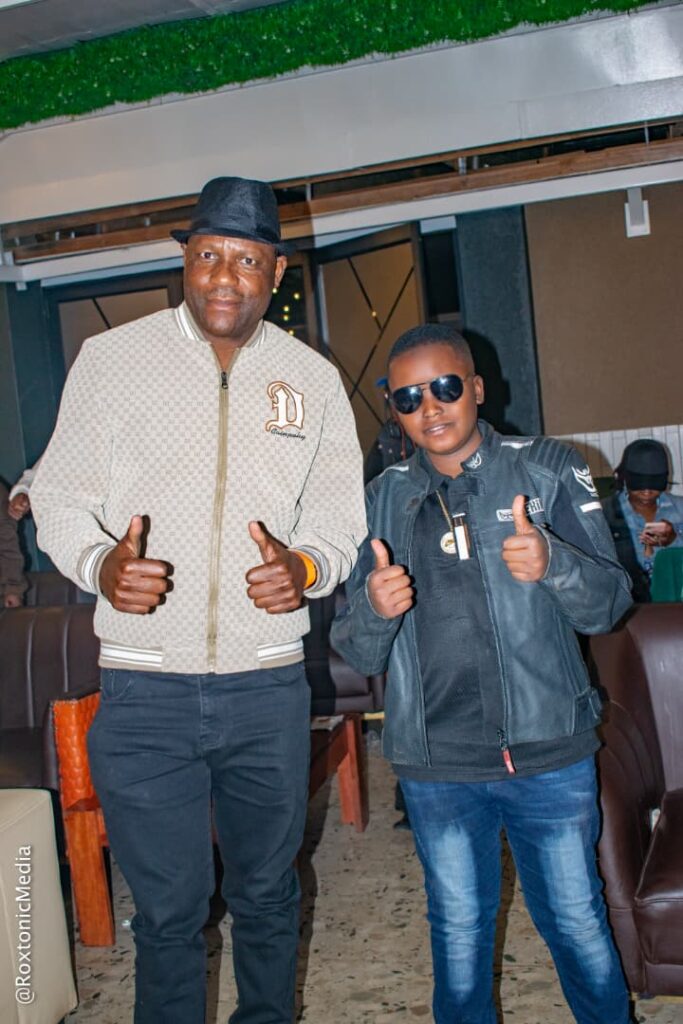
The call was made at the “Master the Art of Winning Grants” workshop held at the National Gallery of Zimbabwe in Bulawayo on Monday, where creatives were taken through funding opportunities, proposal development and practical grant-application drafting.
The workshop, hosted under the Africa-Europe Partnerships for Culture (AEPC) Southern Africa programme and funded by the European Union, sought to bridge the gap between creative ideas and the funding required to turn them into viable projects.
Facilitator Eddie Hatitye said creatives needed to be deliberate when identifying funding opportunities and ensure their projects aligned with the requirements of prospective funders.
“When applying for grants, artistes need to carefully identify and target funding opportunities that are relevant to their projects, while also making sure that they meet the eligibility requirements and have the capacity to deliver what they are proposing,” he said.
He said having a strong artistic concept alone was not enough to secure funding.
“A competitive grant application is not just about presenting a good artistic idea; applicants need to clearly communicate the relevance of the project, its feasibility, expected impact and the value it will bring to the communities and audiences they intend to reach,” Hatitye said.
He also highlighted originality, partnerships and audience development as important factors that can strengthen an application.
“Projects are assessed on the quality and originality of the artistic proposal, the strength of partnerships, financial and technical feasibility, as well as their potential to increase visibility, support professional development and reach new audiences,” he said.
The emphasis on stronger grant-writing skills comes as access to funding remains a major challenge for Zimbabwe’s creative sector.
The workshop’s practical approach was aimed at helping participants move beyond simply understanding funding calls and equip them with the skills to develop competitive applications for real funding opportunities.
For Bulawayo-based filmmaker and photographer Mgcini Nyoni, the training was particularly relevant to his theatre work, with his stage production, Bazobuya, potentially benefiting from project-based funding.
“The best fit for what we were learning is my stage production, as the funding space funds projects, not individuals.
The space is very competitive, and the workshop was to give us more insight into how grant applications are done. Hopefully, what we learnt will help us stand a better chance at securing grants,” he said.
Philina Wittke, who leads AEPC projects for the Goethe-Institute, said creatives also needed to adopt a stronger economic mindset if the sector was to become sustainable. She said the value of the arts extended beyond entertainment, contributing to communities, identity and social cohesion, but argued that creatives needed to think more deliberately about how their work could generate economic value.
“I think we have to think along the value chains of cultural production more holistically to create economic value out of the arts. Arts is very relevant for societies, for communities, for identity forming and community building,” she said.
Wittke said the grant programme was also intended to encourage creatives to develop stronger business and administrative skills.
“But for it to become a business, we need to think value creation along the supply. Our attempt with these grants is to instil a bit of economic thinking, business-case thinking and administrative thinking so that artistes are more sustainable, economically sustainable in their production,” she added.