Online Reporter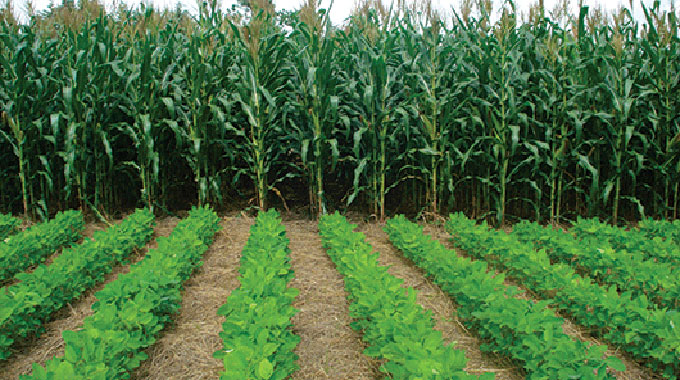
Theseus Shambare
ZIMBABWE is on course to achieve its 3,2 million tonne cereal production target following a strong recovery of crops after a damaging mid-season dry spell, raising hopes for improved national food security.
Authorities say timely rains in recent weeks have revived crops stressed between late January and mid-February, with the majority of fields now in good condition.
Agricultural and Rural Development Advisory Services chief director Mrs Medlinah Magwenzi said up to 90 to 95 percent of crops have fully recovered.
“We experienced a prolonged dry spell which affected crops, particularly maize in Regions Four and Five,” she said.
“However, the rains eventually spread across the country, and as we speak, about 90 to 95 percent of the crop has recuperated and is now looking very good.”
A small proportion — three to five percent — suffered irreversible damage, mainly in low-rainfall areas where maize is less suited.
Traditional grains such as sorghum and millet performed better, highlighting the importance of climate-resilient crops in marginal regions.
With much of the crop now reaching maturity, harvesting has begun in several areas, particularly for early-planted and irrigated maize.
The Government has deployed combine harvesters, tractors and other mechanised equipment across farming clusters to ensure efficiency.
Grain storage infrastructure, including silos and drying facilities at Grain Marketing Board depots, has been readied to handle increased volumes and reduce post-harvest losses.
Officials warn that intermittent rains could still cause rotting, sprouting, and quality deterioration if crops are not properly dried and stored.
“There is a need for farmers to act quickly and protect their harvest. Crops that are ready must be harvested and stored properly to avoid losses,” Mrs Magwenzi said.
She urged farmers to use available dryers and ensure cribs are well aerated.
The recovery is expected to contribute significantly to Zimbabwe’s broader 2025/26 summer plan, which aims to boost cereal production, expand irrigation and enhance rural livelihoods.
Timely harvesting will also allow farmers to prepare land for the winter wheat and barley planting season, which runs from late April to May.
Zimbabwe National Farmers union president Mrs Monica Chinamasa said early rains brought optimism, but mid-season dry spells caused concern.
The return of rainfall, she said, has renewed hopes for a strong harvest.
“The season began very well with early rains, but the dry spell in late January and February stressed crops, particularly maize,” Mrs Chinamasa said.
“Thankfully, subsequent rains revived most fields, and with proper harvesting and storage, Zimbabwe can achieve a good yield this season.”