Chronicle Editor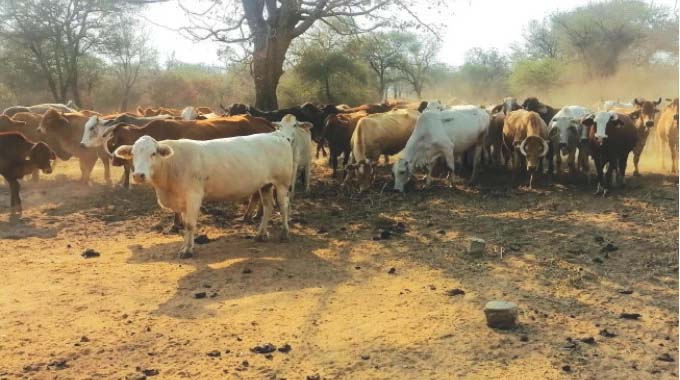
Harare Bureau
CSC-Boustead Beef has adopted a new business model where it is engaging partners to run some of its cattle ranches on a long-term basis as part of efforts to build the national herd and revive the country’s once largest meat processor, officials have said.
Under the new model, CSC-Boustead will now largely focus on meat processing at its slaughterhouses while the cattle ranching will be done by its partners.
Such a business model has resulted in one local company investing US$6 million towards reviving Dubane Ranch in Gwanda in the Matabeleland South Province after 20 years of inactivity. The company is now breeding animals at the ranch, which used to be a holding facility.
“The ranch had been abandoned for nearly two decades and the infrastructure had been vandalised,” lessee Mr Steven Collins told our Harare Bureau when the new crew visited the 30 000-hectare farm last Saturday.
“We have now spent nearly US$6 million to fix the infrastructure including fencing, acquisition of machinery to rehabilitate the roads among other things and we are planning to double the investment.”
The company now keeps nearly 4 000 cattle for breeding and employs 60 people. Mr Reggie Shoko, Boustead-CSC consultant said the new business model would “quicken” revival of the business.
“We are moving away from the old business model where CSC was involved in almost every aspect along the value chain,” Mr Shoko said in an interview.
“That model had its own inefficiencies. So instead of keeping the animals, we are doing these partnerships where someone produces the cattle for us and we are the off takers,” he added.
CSC is wholly owned by the Government and used to be among the country’s largest employers before its fortunes waned due to a number of factors including loss of key export markets and stiff competition from private players after de-regularisation of the industry in 1992 as a result of a structural adjustment programme.
CSC enjoyed a monopoly since 1937 when it was formed but serious competition from private players plunged it into a viability crisis following sharp decline in cattle throughput.
A year later, the company had lost 50 percent of its market share to private players.
The Government overlooked the implications of liberalizing the industry when CSC had not been financially capacitated to stand competition from private players.
Since 1992, CSC largely survived on EU exports and had a $15 million revolving payment facility with the bloc.
The facility was discontinued after the EU suspended imports in 2001 following an outbreak of foot and mouth disease. CSC had an annual quota of 9 100 tonnes and used to earn at least $45 million per year from the EU export quota.



 Online Reporter