

 Online Reporter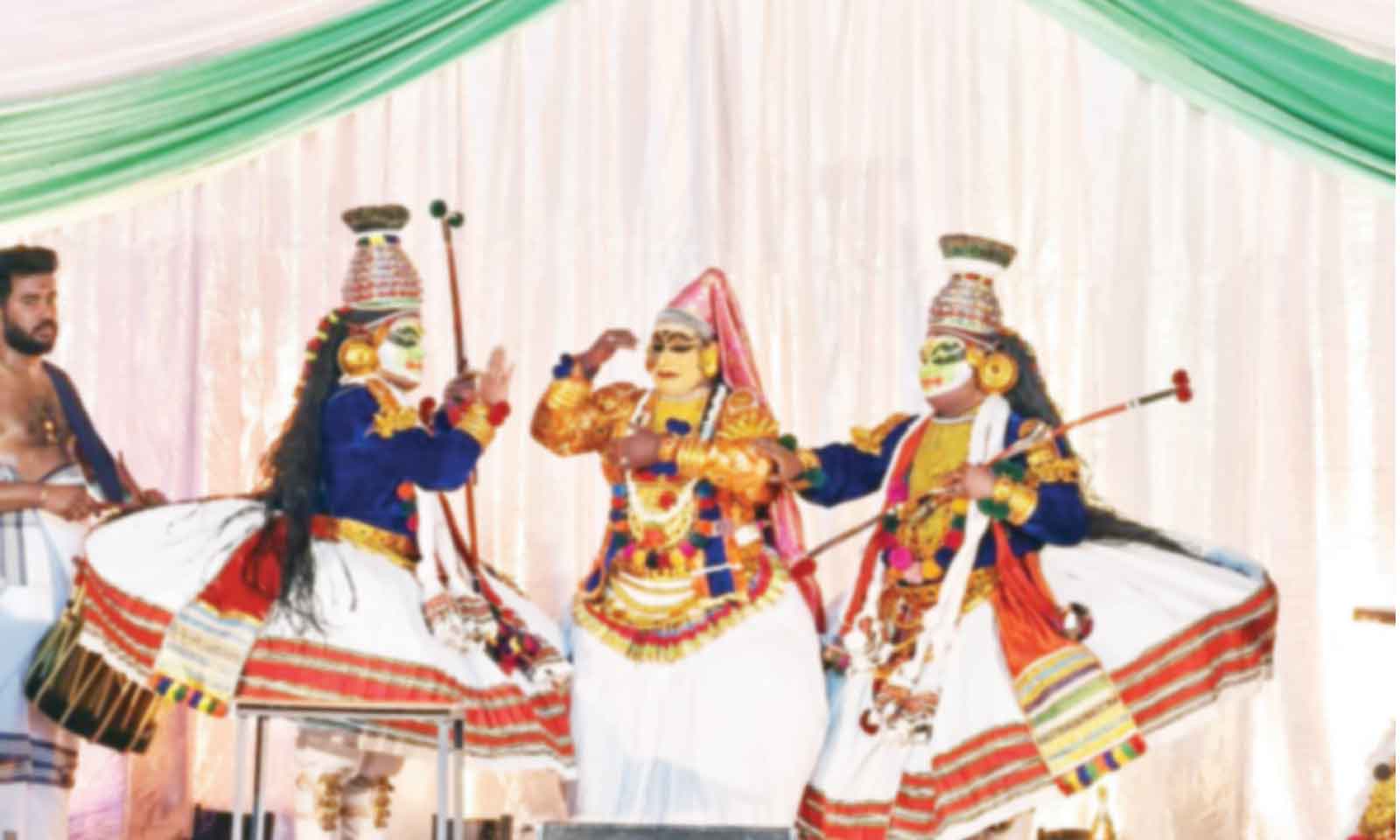
Bramha Kumar
Indian Ambassador to Zimbabwe
Bilateral relations between India and Zimbabwe are rooted in history and reflect a deep bond between the peoples of the two countries.
From historical records, it is evident that India and Zimbabwe share centuries-old historical people-to-people contacts with a strong cultural linkage since the time of Munhumutapa kingdom.
With this historical background, Indian traders started a new wave of migration into Zimbabwe (then Southern Rhodesia) during the colonial period and later settled in Zimbabwe.
Many of Zimbabwe’s Indian friends played an active role in Zimbabwe’s struggle for liberation from colonial rule. After Zimbabwe’s Independence, most of these Indian migrants took Zimbabwean citizenship and became an integral part of peaceful and friendly Zimbabwean society.
India supported Zimbabwe in its struggle for liberation. Indira Gandhi, the then Prime Minister, attended Zimbabwean Independence celebrations in 1980.
Immediately after Independence, India and Zimbabwe signed a MoU on cultural cooperation, which provided an enabling framework to strengthen the cultural aspect of bilateral relations.
Exchange of cultural groups between our countries has added vibrant colours in our already strong people-to-people contacts.
To celebrate these cultural ties, the Embassy of India organises cultural festivals from time to time in association with the Indian Council for Cultural Relations (ICCR). established in 1950, ICCR is India’s premier cultural diplomacy institution under the Ministry of External Affairs.
With 38 cultural centres abroad and 19 regional offices in India, it promotes India’s heritage and fosters friendships across nations.
Offering nearly 4 000 scholarships annually to students from over 140 countries, ICCR also organises “Festivals of India Abroad” to showcase dance, music, yoga, art, and literature. Through cultural delegations, exhibitions, and collaborations with groups, ICCR preserves traditions while serving as India’s cultural ambassador worldwide.
ICCR has also offered around 68 fully funded courses for doctorate degrees and post graduate courses in various fields in the past six years. Earlier, ICCR deployed troupes for Namaste Zimbabwe-2022, a cultural festival organised by the Embassy of India in 2022 across Zimbabwe.
In November 2023, the second edition of Namaste Zimbabwe was organised by the embassy in various cities of Zimbabwe. ICCR has also been sponsoring Zimbabwean cultural troupes who have been participating at India’s prestigious Surajkund International Crafts Fair annually in February for five years now.
Recently, the Embassy of India organised ‘Shastriya Nritya Prastuti’, Classical Dance Performance, featuring 10-member Kathakali troupe from The International Centre for Kathakali in various cities of Zimbabwe.
These were Victoria Falls on January 23 at the Victoria Falls Theatre, Bulawayo on January 24 at Hindu Community Centre, Harare on January 26 at India House, Harare on January 26 at Hyatt Regency Harare during National Day Reception, Chitungwiza on January 27 at Young Africa and in Mutare on January 28 at Hilcrest Preparatory School.
The International Centre for Kathakali is a premier institution established in 1960 and recognised by India’s Ministry of Culture. The group performs Kathakali art on different theatrical stages worldwide, expressing its beauty and grace to the brim.
Since the group love authenticity, they ensure that their stories are original and illustrated by excellent actors before their devoted audiences. International Centre for Kathakali also trains interested participants in Vadyam, Chutty, Vesham, and other Kathakali aspects.
By doing so, they ensure this dance drama of Kerala travels far beyond its state of origin. Earlier, in September 2025, the Embassy of India organised ‘Lok Kala Sandhya’, Folk Dance Evening’ in Zimbabwe featuring Sanskruti Dance Academy of Gujarat to present Gujarati folk and dance performances.
The performances were in Harare on September 26 at India House, Bulawayo on September 28 at Hindu Community Centre and Mutare on September 30 at Queen’s Hall.
Sanskruti Dance Academy, led by Miss Anjanaben Devprasad Agravat, is a distinguished cultural institution based in Dhrol, Jamnagar, Gujarat. A graduate in Sanskrit and Visharad in Kathak, Anjanaben has represented India at state, national, and international levels, performing across countries such as the United Arab Emirates, Oman, Qatar, Syria, Egypt, Hungary, Algeria, Zimbabwe, Malta, Indonesia, Seychelles, and Tanzania.
Empanelled with ICCR, Sangeet Natak Akademi, and several cultural bodies, she has trained thousands of students in folk dances of Gujarat, Rajasthan, and Maharashtra origin.
The academy preserves and promotes India’s folk traditions through performances, workshops, and cultural exchanges, serving as a bridge of cultural diplomacy.
The visits of the Sanskruti Dance Academy troupe and the troupe from The International Centre for Kathakali were sponsored by ICCR. People from the Indian community and Zimbabweans enjoyed the vibrant and colourful performances by the troupes.
These performances were also part of commemoration of 150 years of Vande Mataram, which is a national commemorative initiative to celebrate the spirit of Vande Mataram and its unique role in the history of India.
Over time, Vande Mataram became a rallying cry of freedom fighters, a spiritual force, and a devotion to the motherland and a depiction of inspiration against the foreign power. Colonial authorities recognised its power and banned its singing or display, as it evoked deep patriotic sentiments.
With strong, cordial and steadfast bilateral relations, India has been actively contributing to the development of Zimbabwe. Indian investors have invested more than US$600 million in various industries that have provided more than 15 000 direct and indirect jobs to Zimbabwean youths.
Bilateral trade is also increasing gradually, reaching US$260 million during the last financial year. India has been consistently extending humanitarian assistance in time of need, including a donation of 1 000 tonnes of rice in 2024.
Under India’s initiative, a US$1 million grant project announced in 2021 from the India-UN Development Partnership Fund for climate resilient agriculture in the districts of Chiredzi and Mangwe of Zimbabwe was completed and delivered.
Work on the Deka pumping and river water intake system, with the help of the Government of India’s line of credit amounting to US$ 48,1 million was completed and commissioned in August 2024.
Capacity building is an important pillar of our development partnership with India. As part of the Government-to-Government collaboration, India offers more than 250 scholarships to Zimbabwe under Indian Technical and Economic Cooperation (ITEC) programme.
Zimbabwe sent 71 officers to attend a train-the-trainer programme organised by Centurion University, Bhubaneshwar. India stands as one of the top choices for Zimbabwean students seeking world-class higher education.
With around 5 000 Zimbabwean students currently enrolled in Indian universities, this vibrant academic exchange underscores a deep-rooted partnership and shared commitment to knowledge and progress between our two nations.
The Embassy of India annually organises ITEC alumni meetings and interactions at functions normally chaired by the Minister of Foreign Affairs and International Trade, Prof Amon Murwira, and Deputy Minister Sheillah Chikomo.



