Online Reporter
Mbulelo Mpofu, Zimpapers Arts and Entertainment Hub
THE Amagugu International Heritage Centre (AIHC), in partnership with the African Food Revolution, is gearing up to host the fifth edition of the Traditional Food and Beverages Expo this coming weekend, a gathering that promises more than just a feast for the palate.
This year’s edition carries added significance as it aligns with the Culture Month celebrations, placing indigenous food at the heart of Zimbabwe’s cultural revival.
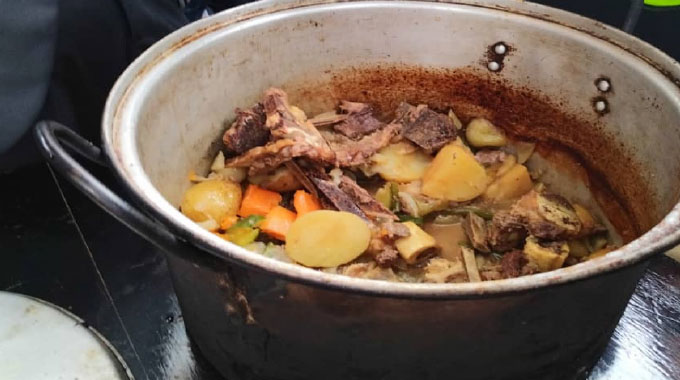
While the expo is usually held in April, its May slot this time offers a timely and intentional spotlight on traditional culinary knowledge, methods, and the cultural stories embedded in every dish.
It will be a celebration not just of food, but of identity, reviving ancestral flavours and reconnecting communities to their roots through shared tastes and timeless recipes.
The expo will be held under the theme: “Our food, Our heritage, Our future”. It will be divided into three main areas of interest including, “Our Heritage”, exploring the history of African foods and the impact of migration on culinary trends, “Our Food, Our Future”, discussing current food trends and the future of African cuisine as a form of culinary art and “Family Day”, celebrating the values and significance of indigenous African foods.
Since it began, the event has grown steadily, drawing more than 400 participants in 2019.
After a hiatus due to the Covid-19 pandemic, this year’s edition aims to revitalise interest in indigenous African foods and foster resilient food systems across the continent.
“Through this expo, we aim to identify basic food trends that our forefathers enjoyed and use this knowledge as a blueprint for future food models,” said Allington Ndlovu, director of AIHC.
In tandem with the theme of Culture Month, which this year is “Celebrating Indigenous Voices”, the expo seeks to expose the culinary experiences of the Matobo community to a wider audience, giving the region an amplified voice.
“African cuisines are slowly fading away due to new worldviews, rapid urbanisation and the lingering effects of colonisation. We continue to host this expo to celebrate our Africanness through our dishes and the stories attached to them,” Ndlovu explained.
He said the expo will bring together a diverse array of stakeholders, including historians, chefs, farmers, students, artistes and policymakers.
This collaboration is essential for developing new food models rooted in local resource management, ultimately fostering village entrepreneurship. Participants can expect engaging presentations, networking opportunities and exhibitions showcasing indigenous foods from countries such as Zimbabwe, Ghana, Cameroon, Rwanda and Sudan.
The event will also pay tribute to the late historian and founder of AIHC Pathisa Nyathi, whose contributions to creating a functional food system grounded in cultural values will be honoured.
Reflecting on Nyathi’s legacy, Ndlovu remarked, “He established Amagugu as an institution with structures and a versatile team. His leadership was about grooming others and giving them a chance to learn and grow. Although the loss of a founder poses challenges in marketing and resource mobilisation, we are committed to keeping his vision alive.”
Ndlovu said the expo will also feature an academic symposium, designed to address challenges and advancements in indigenous food products.
Key objectives include profiling current research from local universities, identifying opportunities for collaboration, and educating stakeholders about food value chains.
“The conference will feature speakers from food companies and universities, offering invaluable insights on how to commercialise traditional dishes and the value of traditional grains in light of climate change.”
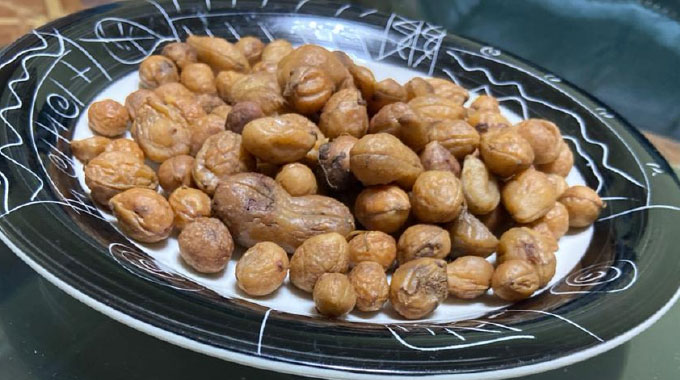
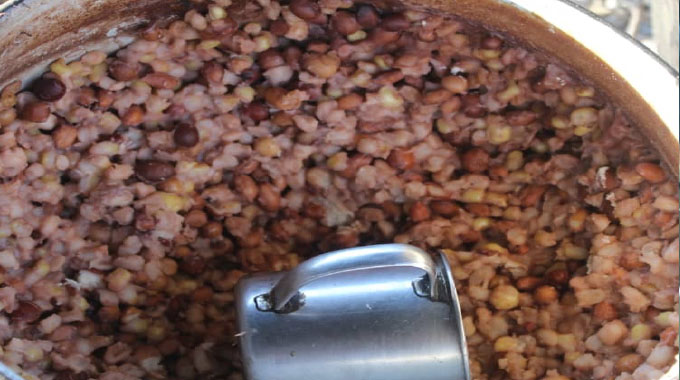
School learners from various institutions will also participate, gaining practical knowledge that aligns with the new heritage-based curriculum. Attendees can look forward to a variety of traditional dishes showcased by Matobo women, including inkobe, amasi, umcaba, umxhanxa, and traditional beer brewed by local elder, Enness Dube.
A demonstration on how to prepare this beer will be accompanied by discussions on its cultural significance and the scientific processes involved in its production.

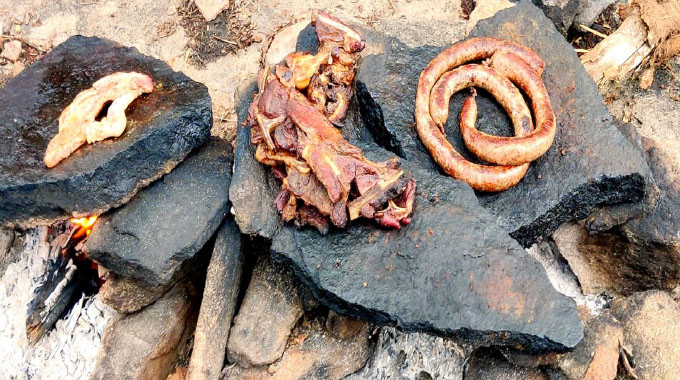
Ndlovu highlighted the importance of these culinary displays, stating, “Food is art and art expresses culture. How we produce, prepare, and enjoy our dishes tells the story of our heritage. The people of Matobo will have the chance to share their stories through their food stalls, passing knowledge and skills down to younger generations.”
The expo is designed to engage a wide range of attendees, including farmers, researchers, chefs, investors and community members.
Each group plays a vital role in promoting and developing indigenous foods, making the event a crucial platform for knowledge sharing and collaboration.
The event will also feature traditional games, performances and guided tours, enriching the experience for attendees and highlighting the multifaceted nature of African culture.
Ndlovu aptly summarised, “This expo is not just about food; it is about celebrating who we are as a people. It is about preserving our cultural heritage and ensuring that the stories of our ancestors continue to resonate in the dishes we prepare and share.”
For years, the expo has been a symbol of cultural pride, bringing people together to celebrate food, heritage and community. It is a reminder that by enjoying traditional meals, we also keep our culture and identity alive.” —
@MbuleloMpofu