Online Reporter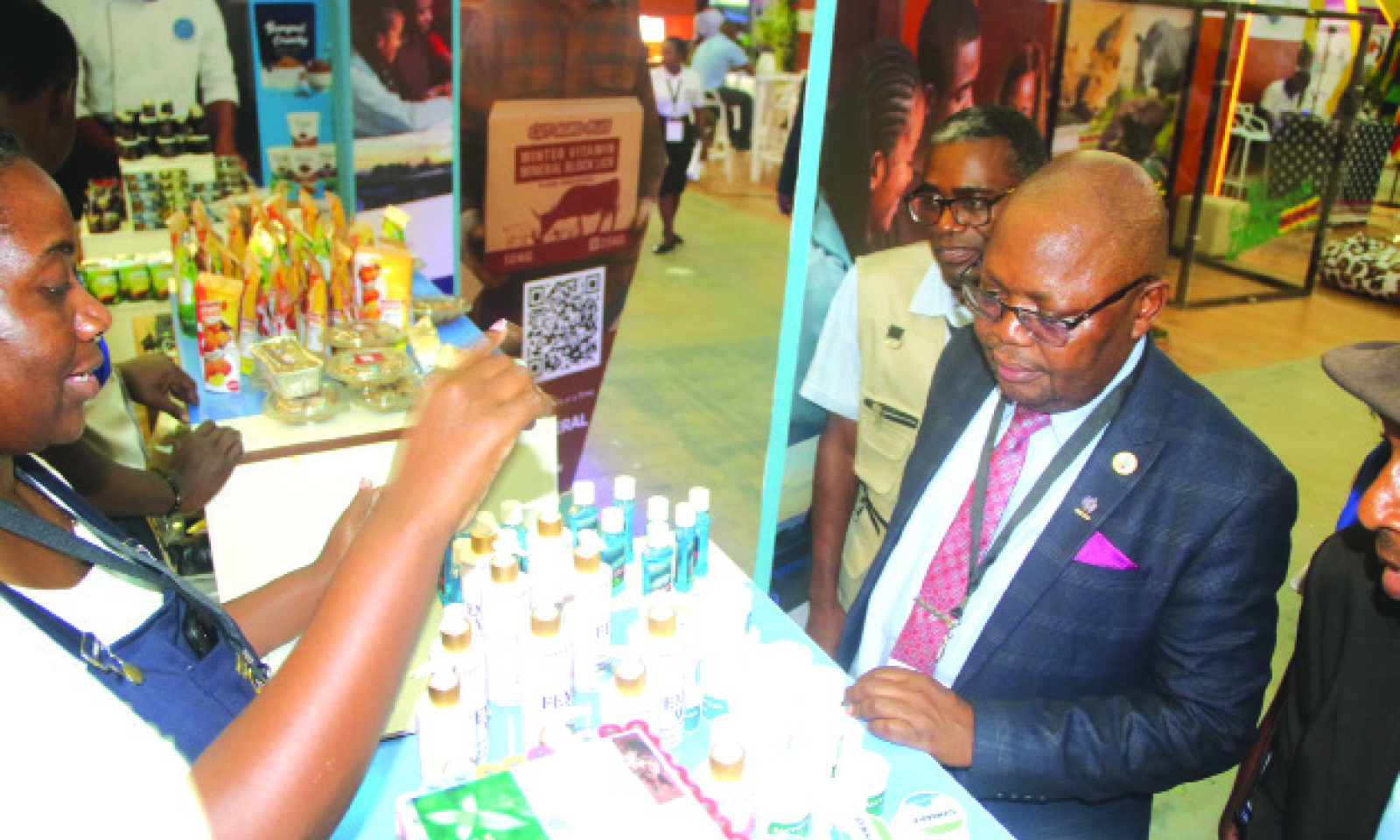
Walter Nyamukondiwa
Mashonaland West Bureau Chief
CHINHOYI University of Technology (CUT) is emerging as a key hub for transforming ideas and innovations into tangible products in line with the national vision of Heritage-Based Education 5.0, which prioritises innovation and industrialisation.
The university is engaged in a wide range of research initiatives, pilot projects and production ventures that cut across agriculture, mining and manufacturing.
Among its flagship projects are the development of pozzolanic cement and road construction aggregates made from mining waste.
Both projects are being implemented in partnership with platinum mining giant Zimplats.
Once fully commercialised, the pozzolanic cement is expected to significantly reduce the retail price of cement to around US$8 per bag.
At the same time, the production of road construction aggregates is projected to lower the cost of road building by up to 20 percent.
The CUT Innovation Hub has already applied the road aggregate on a section of the university’s car park as part of a pilot study to assess its durability under varying weather and usage conditions.
CUT Research and Innovation marketing officer Mr Stanley Ngwenya said the results so far have been encouraging.
“We are still conducting tests to ensure the proper balance that will give us durable aggregate under diverse conditions using mineral waste,” said Mr Ngwenya.
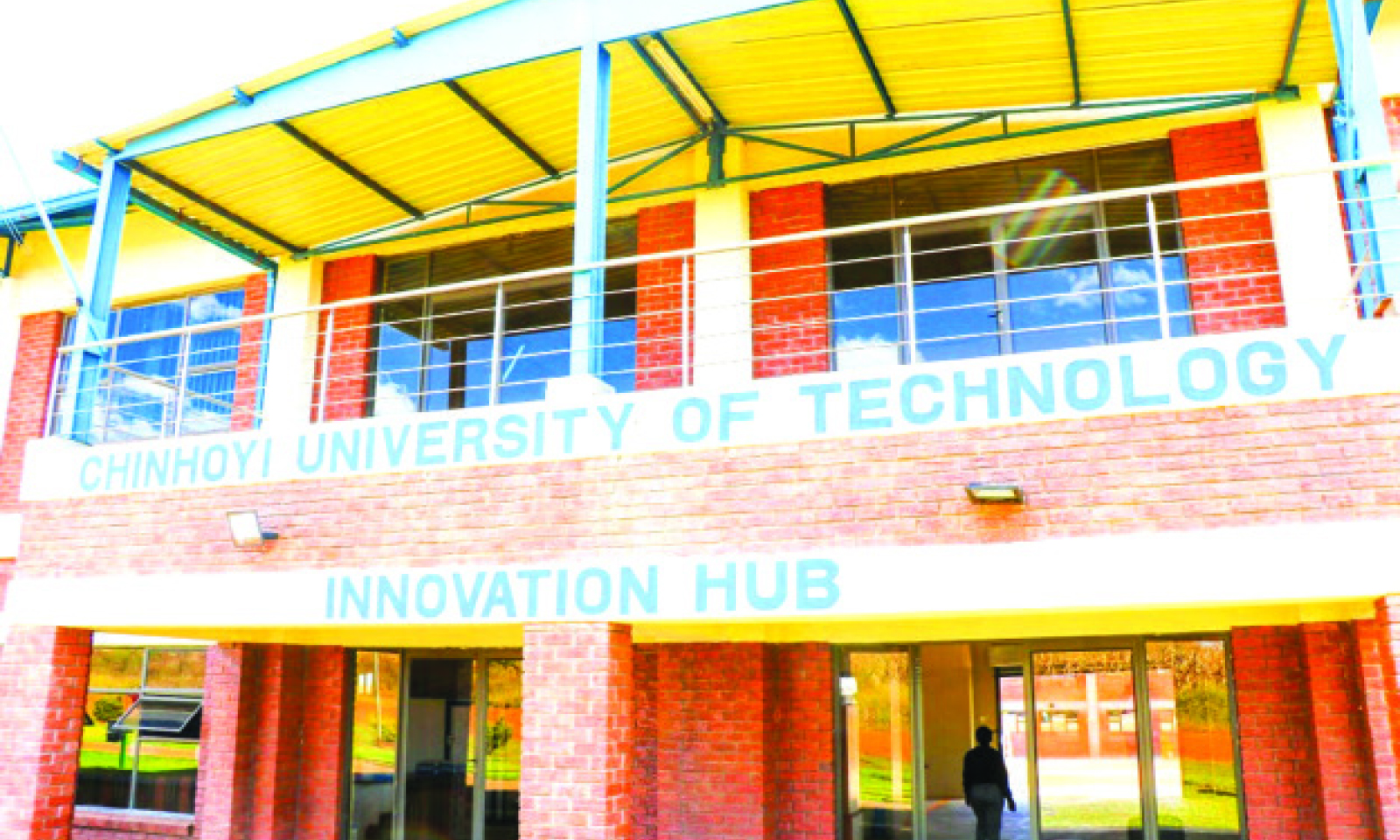
In recognition of its pioneering work, CUT clinched first prize in the 2024 Presidential Innovation Awards, winning a shield and US$100 000.
Mr Ngwenya said the prize money had enabled the university to upscale production, standardise operations and expand its facilities.
“We are currently expanding the factory and the awards have helped market the university’s products,” he added.
The university’s Agro-Industrial Park, which is home to the dairy feed plant and mineral-rich block lick innovation, focuses on year-round nutritional support for livestock including wildlife.
Initially launched using basic equipment, the project is now transitioning to automated production systems.
Mr Ngwenya said CUT operates as a technology transfer office and incubator, nurturing innovations from research to commercialisation.
“We are a technology transfer office and we operate as an incubator. As a university, we have several researchers who are involved in a number of research activities.
“We then identify outputs that can be converted into goods and services,” said Mr Ngwenya.
“Since 2023 when the Presidential Innovation Awards started, we have received a number of awards in projects involving construction material and the Agro-Industrial Park initiative where we find the block lick project for livestock.”
The pozzolanic cement project, he noted, is also contributing to a circular economy by managing mining waste while addressing cement demand amid Zimbabwe’s construction boom.
A factory is under construction, and new equipment has been procured using the award funds to scale up production.
“We were using rudimentary methods, including use of a small manual bore mill in the initial stages of the project.
“We now want to upgrade the pilot phase of the project and the Presidential Innovation Award has allowed us to initiate the process.”
He added: “The money has allowed us to grow our portfolio of the projects that we are incubating and we have seen an improvement in the nature of innovations.”
CUT is also working on reducing post-harvest losses in banana farming by developing banana flour and an AI-powered agronomist app that uses local datasets to assist farmers.
Additionally, the university is producing high-protein animal feed using the black soldier fly (BSF), which is reared on organic waste from communities.
The maggot-based production, now automated, supports fish feed and organic fertiliser production.
Despite these successes, Mr Ngwenya said CUT’s incubation hub still faces challenges in scaling up and commercialising some innovations.
“What we are pushing for is to have a working ecosystem where innovators get funding for a proper transition from ideas into viable businesses,” he continued.
“We need the private sector to come through and complement Government support because the entrepreneurial cycle incurs a lot of sunken costs at the product development phase.”