Online Reporter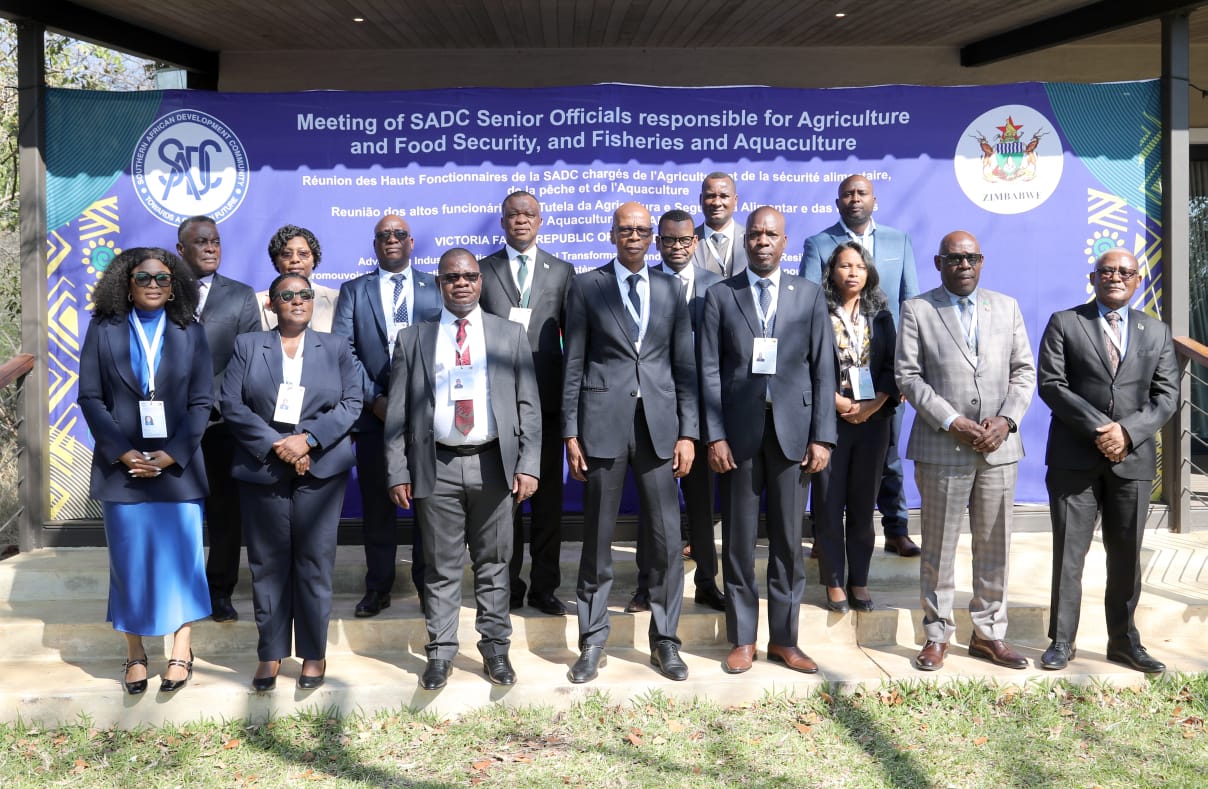
Theseus Mauruki Shambare in VICTORIA FALLS
THE devastating impact of cyclones Idai, Freddy and Gizanu continues to shape food security and climate resilience policies within the Southern African Development Community (SADC), as regional leaders push for stronger adaptation systems to protect agriculture and livelihoods.
The issue dominated discussions at the ongoing Meeting of SADC Senior Officials responsible for Agriculture, Food Security, Fisheries and Aquaculture in Victoria Falls which started yesterday, where Member States are reviewing regional strategies aimed at strengthening resilience against increasingly frequent climate shocks.
SADC Deputy Executive Secretary for Regional Integration, Director of Food, Agriculture and Natural Resources, Mr Fahari Marwa, said extreme weather events are continuing to reverse development gains across the region.
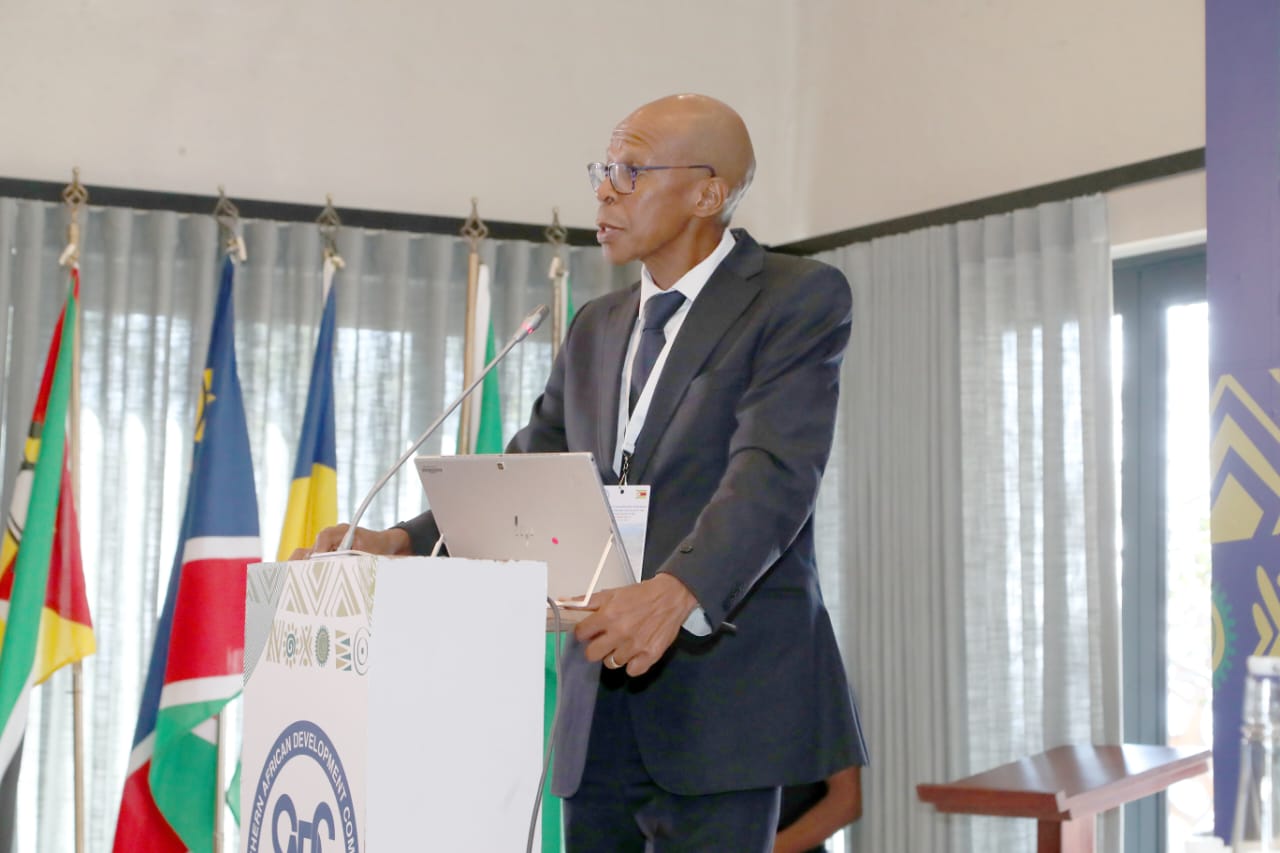
“Cyclones continue to take a heavy toll, destroying crops and livestock, damaging critical infrastructure and depriving families of their livelihoods,” Mr Marwa said.
He said cyclones Idai, Freddy and Gezani remain stark reminders of the growing threat posed by climate change to Southern Africa’s agricultural systems and rural economies.
“These weather extremes have become very common and our meeting must look at ways of improving adaptability and recovery mechanisms,” he said.
Mr Marwa warned that agriculture remains one of the sectors most vulnerable to climate-related disasters, particularly in countries heavily dependent on rain-fed farming systems.
He said the recurring climate shocks are forcing SADC countries to rethink food production systems and invest in long-term resilience measures capable of withstanding droughts, floods and cyclones.
Chairperson of the SADC Committee of Senior Officials responsible for Agriculture, Food Security, Fisheries and Aquaculture, Mr Mooketsa Ramasodi, said climate variability continues to place enormous pressure on regional food systems.
He said while some parts of the region recorded favourable harvests this season, others continue to suffer from droughts and floods, worsening food insecurity and economic instability.
“This meeting has been convened at a critical juncture as our Member States face multiple interconnected challenges that threaten not only food security but also regional stability and national security,” Mr Ramasodi said.
Climate experts attending the meeting warned that projections of a possible El Niño event later this year could further increase the likelihood of below-normal rainfall conditions across parts of Southern Africa.
Zimbabwe’s Permanent Secretary for Agriculture, Mechanisation and Water Resources Development, Professor Obert Jiri, said the region must move with urgency to strengthen climate adaptation systems in light of recurring disasters affecting agriculture and rural livelihoods.
“The recurring cyclones and extreme weather events affecting our region are a clear reminder that climate change is no longer a future threat, but a present reality that requires urgent investment in resilience, irrigation development and climate-smart agriculture systems,” Prof Jiri said.
He said Zimbabwe has already adopted climate resilience interventions such as Pfumvudza/Intwasa conservation agriculture and accelerated irrigation development to reduce dependence on rainfall patterns.
The ongoing SADC meeting is expected to produce policy recommendations aimed at strengthening climate adaptation, disaster preparedness and food systems resilience across the region ahead of ministerial deliberations later this week.


 Bongani Ndlovu