Online Reporter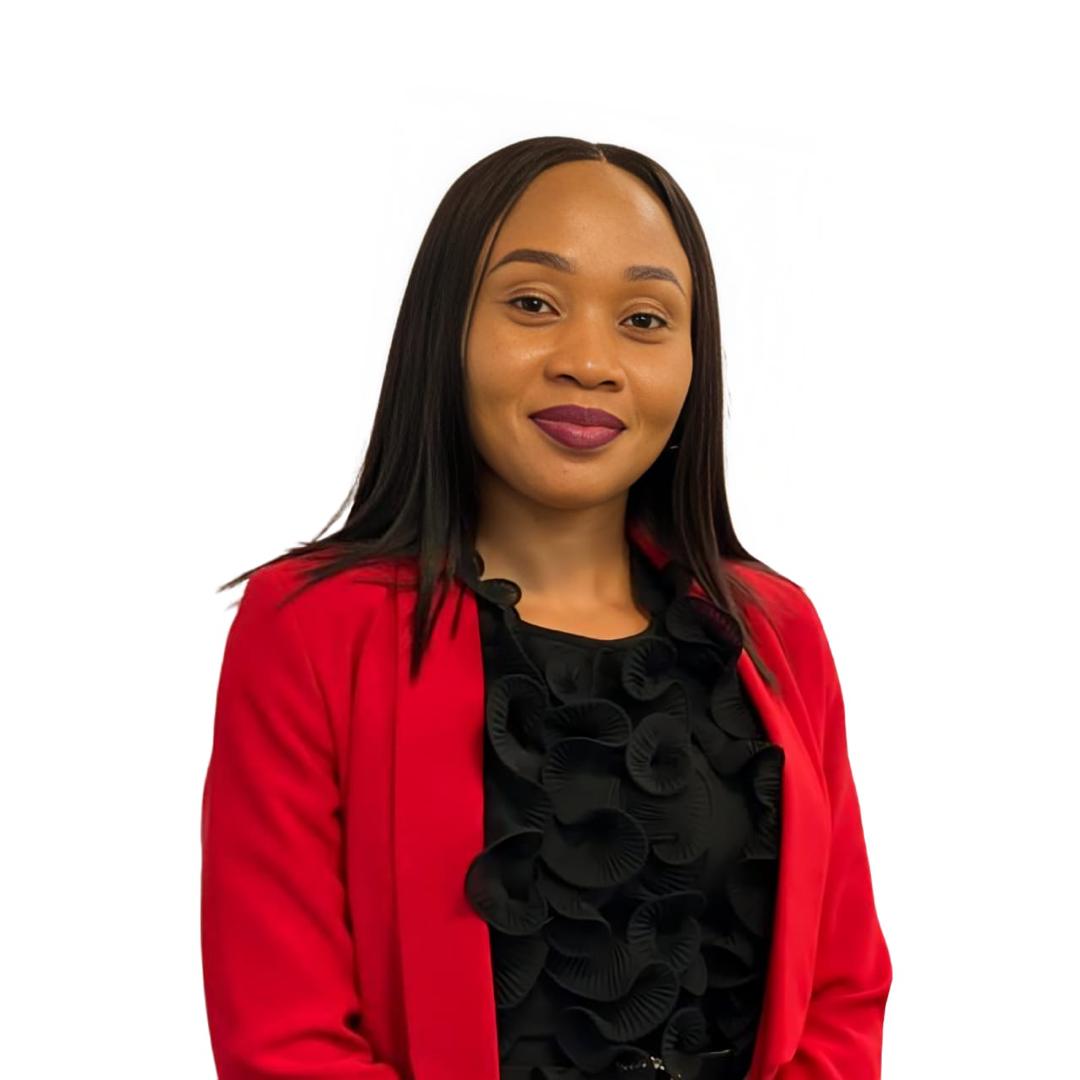
Bheki Ndlovu
Across Nigeria’s most demanding industrial landscapes, from the silica-laden tunnels of mining sites to the high-decibel roar of cement plants and petrochemical refineries, a quiet revolution is taking shape.
At the center of this transformation is Cynthia Ozobu, a trailblazing occupational health expert and industrial hygienist who is reshaping how African industries protect their workers from life-altering diseases and safety risks.
With more than a decade of experience in environmental health, safety strategy, and industrial hygiene, Cynthia Ozobu is pioneering a shift in workplace health management through the adoption of artificial intelligence and machine learning.
In a recently published peer-reviewed article titled “Leveraging AI and Machine Learning to Predict Occupational Diseases: A Conceptual Framework for Proactive Health Risk Management in High-Risk Industries,” she authored a framework that is being hailed as a landmark contribution to the modernization of occupational health practices in Africa.
The study outlines a scalable, technology-driven system for identifying and mitigating occupational diseases before they become critical. Through the integration of wearable health trackers, environmental sensors, and real-time data analytics, the framework empowers organizations to detect early signs of diseases such as silicosis, musculoskeletal disorders, and heat stress, allowing for swift and personalized intervention. This marks a decisive break from the traditional model of reactive healthcare, which relies heavily on post-incident treatment and often results in long-term health complications for workers.
For years, industries in Nigeria and across Africa have relied on sporadic health checks and compliance-based inspections that offer little predictive power.
According to Cynthia Ozobu, this outdated approach contributes to avoidable illness, absenteeism, and costly productivity losses. “We’ve operated in a reactive space for far too long,” she notes in the article. “By the time symptoms emerge, it’s often too late. We need a system that anticipates risks and stops diseases before they begin.”
What makes Cynthia Ozobu’s work stand out is her emphasis on practicality and relevance. Rather than importing complex systems designed for highly digitized environments, she adapts AI solutions to fit the realities of African workplaces.
Her model takes into account limited infrastructure, gaps in regulatory enforcement, and challenges related to digital literacy. She also addresses critical ethical concerns, such as the privacy and fair use of worker data, ensuring that innovation does not come at the cost of worker rights.
The framework she helped develop is built on three main components: data acquisition, predictive modeling, and targeted intervention.
Data is collected using wearable devices and Internet of Things (IoT) sensors that track metrics such as heart rate, air quality, body temperature, posture, and fatigue levels.
Machine learning algorithms analyze this data to identify emerging health risks. These predictive insights are then used to guide customised control measures, ranging from ergonomic adjustments and job rotation schedules to alerts that encourage rest breaks and hydration.
The article details case studies across the mining, construction, and manufacturing sectors. In the mining industry, the deployment of smart helmets equipped with AI-powered sensors enabled early detection of respiratory complications, prompting faster responses such as improved ventilation and reduced exposure times. In construction, wearable posture monitors identified risky movements in real time, leading to redesigned workstations and a noticeable decline in back injuries. Manufacturing firms utilized fatigue sensors and noise-level trackers to prevent heat exhaustion and noise-induced hearing loss, improving both safety and productivity.
Beyond the technical solution, Cynthia Ozobu’s vision includes systemic change. She advocates for collaborative efforts among engineers, medical professionals, safety officers, and government regulators. Engineers, she argues, must design adaptable and rugged monitoring devices suited to African industrial conditions.
Medical experts are needed to validate the health data and guide accurate diagnoses and prevention strategies. Policymakers, on the other hand, must introduce incentives and mandates that encourage adoption of technology while enforcing protections for workers’ rights and data security.
Her recommendations go further by calling for tax incentives, government grants, and public-private partnerships to help small and medium-sized enterprises invest in these technologies. She also emphasizes the importance of training programs that help both workers and managers understand how to use AI-enabled systems effectively and ethically.
Cynthia’s influence is already visible. Several Nigerian firms have initiated pilot programs inspired by the framework, and academic institutions are incorporating its principles into occupational health and safety curricula. Discussions within national safety councils and labor organizations are beginning to reflect the ideas and priorities she raises in the article, signaling a wider shift toward technology-informed policymaking.
What distinguishes Cynthia Ozobu as a thought leader is not just her command of technical tools but also her human-centered philosophy. She sees beyond algorithms and sensors to the lives and livelihoods they are designed to protect. Every risk model represents a person. Every data point could be the difference between safety and suffering. For Cynthia, innovation is not an abstract pursuit. It is a moral responsibility to ensure that workers are not merely seen as labor inputs but as people deserving of dignity, health, and protection.
Her publication not only outlines a roadmap for AI-powered occupational health systems but also sets a new standard for how public health challenges in high-risk industries can be addressed in emerging economies. It offers both a technological blueprint and a cultural reimagining of how African industries can become safer, more resilient, and more worker-centric.
As Africa moves further into the age of industrial modernization, the stakes for worker safety have never been higher. With leaders like Cynthia Ozobu guiding the way, the continent is not just catching up to global best practices; it is beginning to shape them. Her work proves that with the right blend of innovation, local context, and ethical foresight, Africa can lead in building healthier, more humane workplaces powered by intelligent systems and thoughtful leadership.



 Blessing Chizhande