Chronicle Editor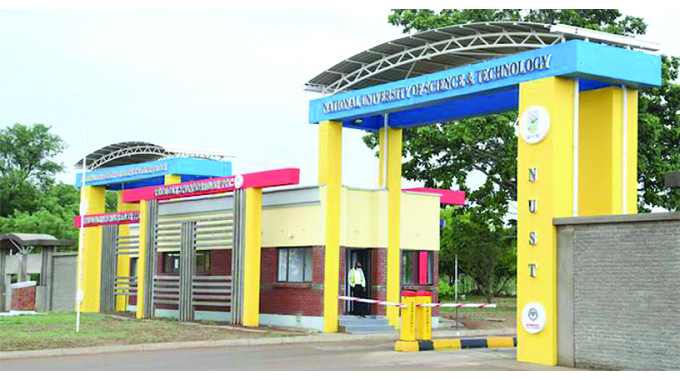
Sikhulekelani Moyo, Business Reporter
THE Confederation of Zimbabwe Industries (CZI) Matabeleland Chamber says increased partnership with local universities is critical in a bid to reverse the adverse impact of the brain drain in the manufacturing sector.
In an interview, the regional chamber president, Mr Raymond Shoniwa, said among the challenges facing the country’s industry was loss of critical skills over the years due to migration.
He said this was having a long term adverse impact on the viability of the local manufacturing sector hence the move to rope in universities.
“The brain drain has become a big challenge in our industries and that is why you find that we now incorporate local universities like Lupane State University and the National University of Science and Technology in our meetings so that there is development of skills to equip the industries,” said Mr Shoniwa.
“In the past we had the training schools and companies having apprentices but because of the cost of the training, companies are now not able to do that.
“But this is something we would want to encourage for businesses to have samples of skills to be used by the next generation.”
Mr Shoniwa said part of their role as CZI was to advocate for the manufacturing sector and represent them in all the forums including facilitating for skills development.
Economic experts also concur on the need for Zimbabwe and Africa at large to formulate strategies to retain manpower and ensure that migration patterns do not cripple local production.
Research studies already suggest that brain drain in Africa has financial, institutional, and societal costs with the continent not getting much return from its investment in higher education as graduates leave or fail to return home at the end of their studies.
According to the International Organisation for Migration (IOM), since 1990, Africa has been losing 20 000 professionals annually. — @SikhulekelaniM1



 Online Reporter