Chronicle Editor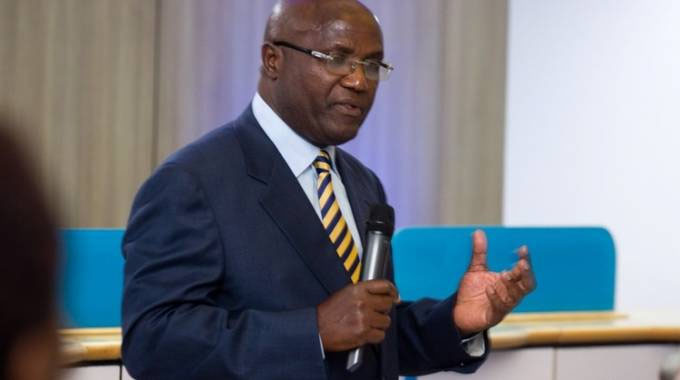
Harare Bureau
DAIRIBOARD Holdings Limited chief executive officer Mr Anthony Mandiwanza, says cost reduction will remain a fundamental issue to protect the company’s margins for the 2021 financial year.
The first five months of the year, saw the Zimbabwe Stock Exchange listed entity grapple with increasing cost of doing business.
Overall, costs for the five months to May 31, 2021 increased by 452 percent, leaving the group with an operating profit margin of just 7 percent, Mandiwanza said in a trading update at the company’s Annual General Meeting held on Wednesday.
Mandiwanza told shareholders that costs increases were across the board, from imported raw materials to the cost of borrowing.
“The price of fuel and milk powders increased on the global market and this resulted in an increase in imported inflation,” he said.
International Brent crude went up by an average 40 percent this year. Locally the price of diesel went up by an average 9,9 percent, in US dollar terms, while petrol prices went up by 5,6 percent since the beginning of the year.
“The cost of fuel is becoming a major cost variable driven mainly by the need to procure that fuel in foreign currency, while labour also contributed as a key cost driver,” said Mandiwanza.
He said the rainfall pattern, which was significant at the beginning of the year, had a negative impact on milk production and it brought with it associated problems such as increased cost of raw milk.
Raw and packaging materials were affected by both domestic and imported inflation, Mandiwanza added. On the financing of the business, the Dairibord chief said the cost of financing was higher than prior year as a result of borrowing to support imports of raw and packaging materials. He said the Group had to take a strategic position to hedge against commodity price increases.
“The interest rates were high, upwards of 50 percent and of course longer working capital cycles. All this contributed to a high cost of financing.”
Going forward, Mandiwanza said he does not foresee an immediate reprieve on interest rates, which means the financing costs will remain a headwind.



 derick.khumalo