

 Chronicle Editor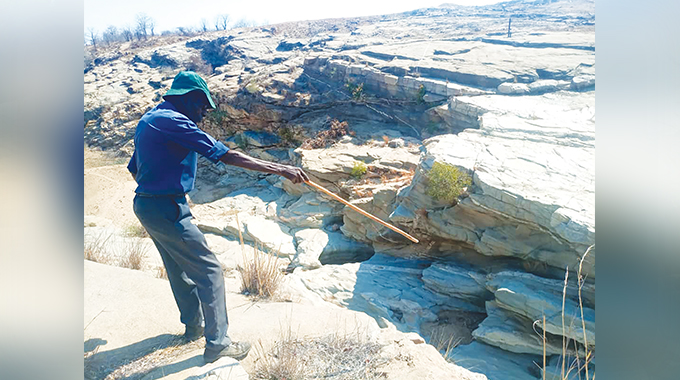
Sukulwenkosi Dube-Matutu, [email protected]
THE construction of Glassblock Bopoma Dam in Matabeleland South must be preceded by traditional rituals to appease the ancestors, according to traditional leaders. Initially, the dam, strategically located at the junction of Gwanda, Umzingwane, and Filabusi districts, encroached upon sacred ponds along the Umzingwane River. In response to concerns from traditional leaders, the dam has been relocated 36 metres upstream to avoid disturbing these sacred sites.
A traditional ritual has been performed to appease the ancestors and seek permission to proceed with the project. The Bopoma sacred ponds (ezimbizeni) have long been a venue where community elders performed rituals to ask for rain, seek blessings, and conduct cleansing ceremonies. Traditional healers also used the ponds for their initiation processes.
Village elders recall that gold could once be seen at the bottom of the ponds, remaining untouched for decades until illegal gold panners vandalised the area. A mermaid was reportedly said to guard the ponds. Chief Ndube from Insiza District emphasised the importance of respecting the sacredness of the ponds to avoid severe consequences. She noted that the ponds, once full of water throughout the year, have seen dwindling water levels due to vandalism and cultural disregard.

“These ponds are sacred and have been respected for decades. It’s important that we uphold this culture. The elders say there used to be gold at the bottom of the ponds, and whenever people tried to get close, the ground would shake. People were not allowed to wash clothes or bathe there. Those who attempted to bathe there lost their clothes, and some disappeared. The ponds used to be filled with water throughout the year, but now the water levels are low, which is worrisome,” she said.
Chief Ndube stated that a ritual has been performed to pave the way for the dam construction process. The elders slaughtered a goat and prepared traditional beer to seek forgiveness from the ancestors. A black cow was also handed over to the family tasked with watching over the ponds. Another ceremony will be held for the whole community, where a beast will be slaughtered.
“The dam construction process will involve a lot of noise from blasting and heavy machinery, which will bring disturbance. We should therefore appease the ancestors and seek their permission. If these things are not done, this project might fail. The machines might have constant breakdowns,” she said.
Cephas Dube (77), a traditional healer in Ward 3 in Gwanda, said a mermaid used to guard the ponds. He recalled seeing it from afar in the early morning, but it would disappear when approached. Dube has participated in ritual ceremonies for people who disappeared in the ponds while bathing. He mentioned that past attempts to build a bridge in the area failed due to the sacred nature of the ponds.
“This place is sacred and shouldn’t be taken for granted. We used to see a mermaid from afar, especially in May and June, early in the morning, seated on the rocks. Each time we moved closer, it would disappear. The ponds have certain powers and gifts that we shouldn’t take for granted. I used to take my initiation candidates to the ponds for rituals and plead on their behalf. I also took people to the ponds for cleansing. Each time I conducted these ceremonies, I would drop some money into the ponds to appease the ancestors, and my clients would do the same,” he said.
Chief Masuku stressed the importance of respecting sacred places to maintain balance and prevent disasters. He noted that disregarding tradition and culture has severe consequences. Chief Masuku expressed relief that the development partner had listened to the concerns of traditional leaders. He said traditional leaders fully support the dam project as it will bring much-needed development to the people, but all necessary processes must be respected.

“As traditional leaders, it’s our duty to preserve our culture and traditions, and that’s what we are trying to do in this project. A lot of things have gone wrong today because of disregard for our culture and traditions. Some of these traditions have been disregarded as myths. Most of our elders have gone, but they shared their knowledge with us, and we will uphold it and ensure that our children and future generations uphold these values too,” he said.
Glassblock Bopoma Dam is set to alleviate water challenges faced in Bulawayo and usher in rural industrialisation development in the province. The dam, being constructed through a public-private partnership (PPP), is set to hold 130 million cubic metres of water. It will bolster bulk water supplies for local communities. Construction is expected to be completed within two years at an estimated cost of US$100 million.
The concept of the dam was first proposed in 1988, but the project stalled due to funding and logistical challenges. Plans are now underway to initiate construction, ensuring a reliable water supply for Bulawayo and surrounding communities via a 32km pipeline linking the dam to the Ncema Dam pump station.
JRG Construction, led by prominent businessman, James Ross (JR) Goddard, has been awarded the contract for the dam’s construction. Preparatory land clearance has been completed, and the site is being equipped with the necessary machinery.
During a recent visit to the dam site, Deputy Minister of Lands, Agriculture, Fisheries, Water and Rural Development, Vangelis Haritatos, emphasised the importance of working closely with traditional leaders in implementing the project. He stated that cultural values and norms must be respected in development initiatives.
@DubeMatutu



 Online Reporter