Online Reporter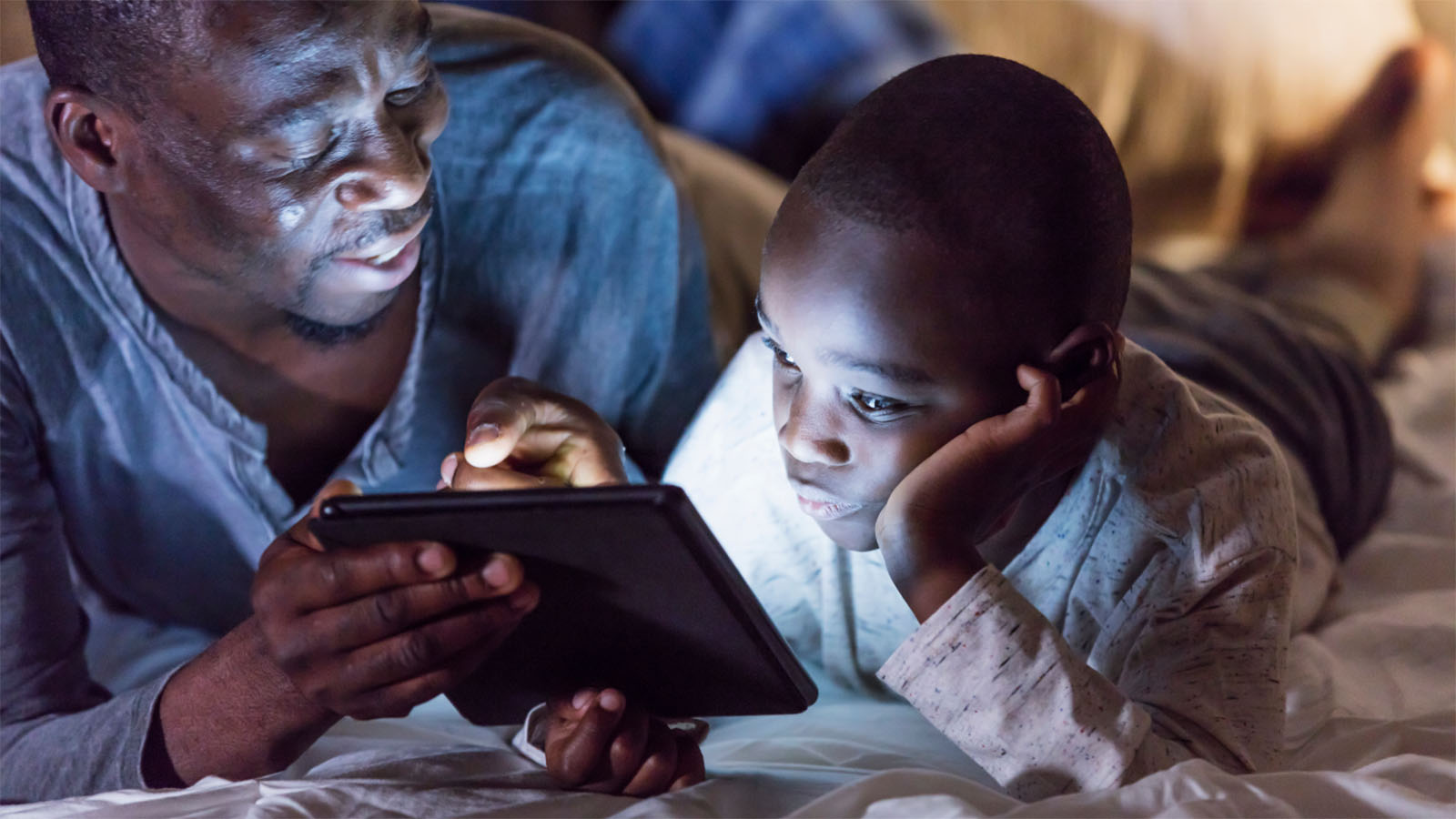
Miriam Tose Majome-Correspondent
Parenting is personal, but it is also shaped by history.
How we raise our children today still reflects how we were raised. Many Zimbabweans who grew up in the 1980s and earlier remember homes that were strict, rigid and deeply authoritarian.
Parents and children were not friends. Discipline was valued more than connection. We often romanticise those years as if they were a golden era of well-behaved children, but it was not golden. It was fear-based.
Those households were closed places. Puberty was ignored and emotions were not discussed. Adolescence was treated as something shameful and suspicious. Girls lived under constant surveillance.
You could be punished simply for being seen talking to a boy. Many children suffered silently because the culture demanded secrecy. That silence allowed abuse to flourish.
Many tragedies were never spoken about because parents were distant and uninvolved.
It was irresponsible parenting disguised as discipline.
Now things have reversed. Later generations want to do better. We want children to speak freely, to feel safe, and to feel valued. We want to be supportive and nurturing because we know how painful emotional neglect feels.
But in fixing one extreme, we have created another. Many modern parents are now too relaxed and too permissive. Firm boundaries disappear because parents fear being seen as oppressive or old fashioned.
They overcompensate so much for the pain they lived through that they end up erasing necessary structure for their own children.
Modern parenting has its own hazards. Some parents negotiate everything and avoid enforcing consequences. They don’t supervise closely. They assume children will learn naturally at school or online.
Children end up spending more time being shaped by TikTok and YouTube influencers than their own parents. Home becomes a place for convenience rather than accountability.
There is emotional closeness, but very little guidance. This is also neglect, only more subtle.
Children need both warmth and structure. They need to feel loved and heard, but they also need adults who are present and involved enough to lead. Parenting is not about domination or control, but it is also not about being passive.
Being firm does not mean being cruel. It means providing limits, routine, expectations and stability. Being flexible does not mean being permissive.
It means being able to listen, adjust and communicate openly and respectfully.
Children cannot build sound judgment alone. Without boundaries, freedom becomes overwhelming. Without guidance, confidence becomes recklessness.
Without involvement, modern parents leave children exposed to a world that is more complex and more demanding than the one we grew up in.
With social media culture, migration pressures, absentee communities and weakened schools, parental presence matters more now than ever in Zimbabwe.
We cannot repeat the old mistake of raising children who grow up alone emotionally. And we cannot replace that with a new mistake of raising children without discipline and direction.
Parenting requires balance.
It is a daily act of showing up with love and strength. Children do not need fear, and they do not need abandonment disguised as freedom.
They need adults who see them, listen to them, guide them and protect them without suffocating them or ignoring their realities.
The real danger is not just in harsh parenting. The real danger is when parents are detached and aloof.
Miriam Tose Majome is a lawyer and educator. She can be contacted on [email protected]