Online Reporter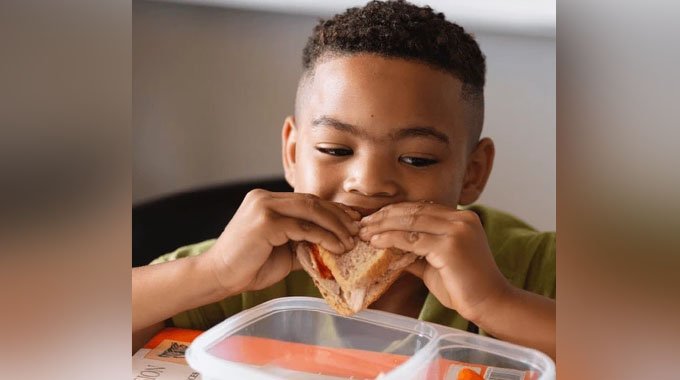
BORROWING food from other students’ lunch boxes is not a good habit. This seemingly harmless habit can have severe consequences on students’ health, well-being and social dynamics. It’s essential to discourage this behaviour.
The Risks
1. Food-borne illness: Sharing food can lead to the spread of bacteria, viruses and other pathogens, increasing the risk of food poisoning. Perishable items like sandwiches, salads and fruits can be contaminated if not stored properly.
2. Allergic reactions: Unknowingly consuming food from another student’s lunch box can trigger severe allergic reactions, such as anaphylaxis, in students with life-threatening allergies.
3. Unhealthy eating habits: Borrowing food can encourage students to opt for less nutritious options, disrupt meal times and lead to unhealthy eating habits.
The Emotional Toll
1. Food shame and anxiety: Students who feel pressured to share food or are ashamed of their lunch may develop anxieties around food, potentially leading to disordered eating patterns.
2. Negative social dynamics: Sharing food can create power imbalances, social exclusion and feelings of exploitation, affecting students’ emotional well-being and relationships.
The Importance of Independent Eating Habits
1. Developing self-sufficiency: Students should learn to rely on the food provided by their parents or guardians, rather than depending on others.
2. Appreciating what they have: Students should be encouraged to appreciate and be content with what their parents provide for them, rather than comparing or desiring others’ food.
Unfortunately, some students have lost their lives due to food allergies or food-borne illnesses contracted from sharing food. This highlights the gravity of the situation and the need for awareness and action.
It’s essential to educate students about the risks associated with sharing food and promote healthy eating habits, self-sufficiency and appreciation for what they have. By doing so, we can create a safer, more supportive and more positive environment for all students. Sharing food from other students’ lunch boxes may seem like a harmless habit, but it can have severe consequences.
By understanding the risks and promoting healthy habits, can help students develop essential life skills, appreciate what they have and stay safe.
Dr Manners Msongelwa is an author, teacher and youth coach. He can be contacted on +263 77 101 9392