Online Reporter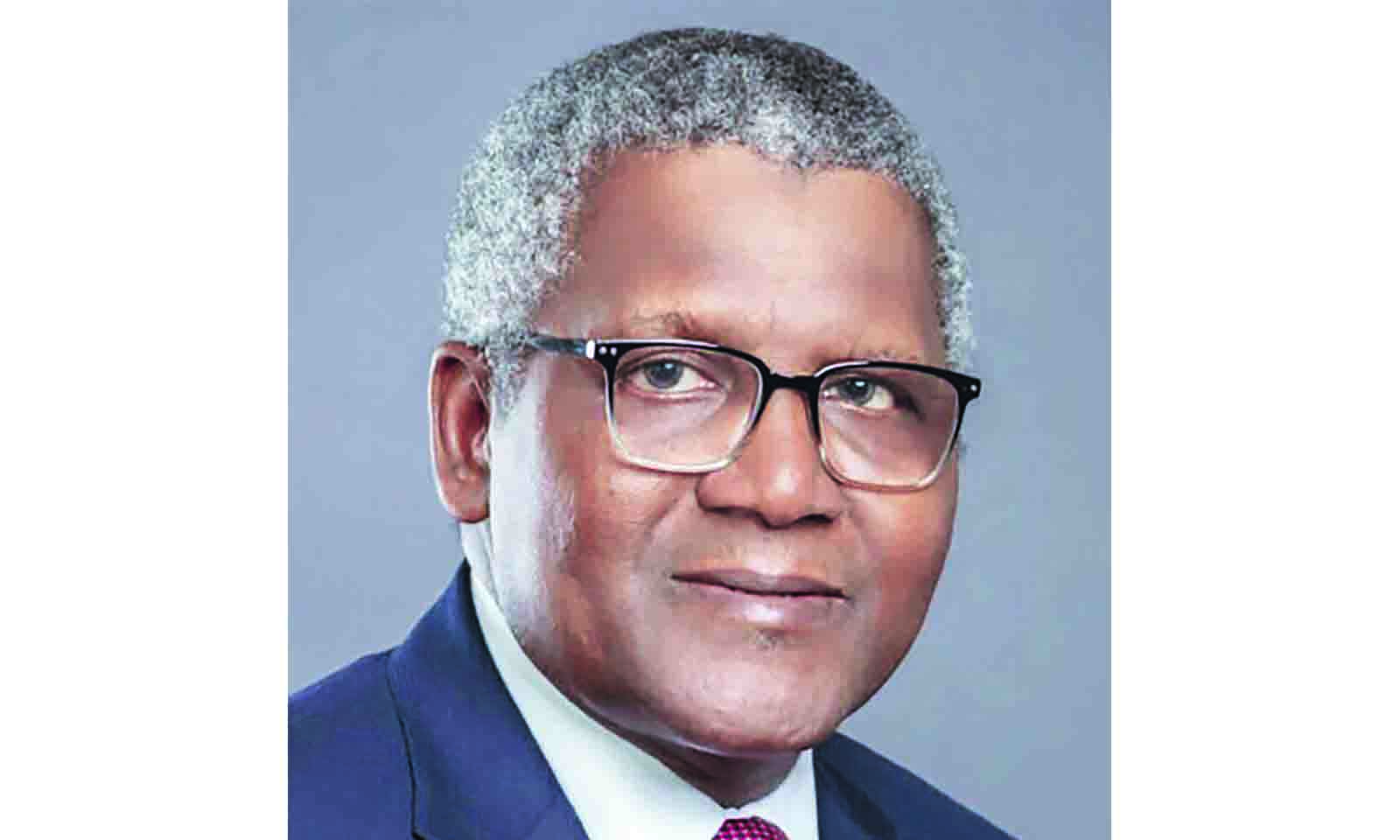
Business Reporter
ZIMBABWE is reinforcing its position as a major destination for investment, demonstrated by the impending visit and planned US$1 billion investment from Africa’s wealthiest man, Aliko Dangote.
The potential mega-deal — set to span cement manufacturing, power generation and coal mining — is viewed by analysts as the pinnacle of a widespread surge in investor confidence, directly validating the economic reforms implemented since the advent of the ‘Second Republic’.
Dangote’s renewed engagement is particularly significant given its timing.
The visit, which has already received Presidential approval, marks his return a decade after an initial trip in April 2015.
Economic analysts say the Nigerian billionaire’s return strongly suggests he has been monitoring the country’s economic landscape and the impact of the changes ushered in by the Second Republic.
Serious investors typically require time for due diligence to evaluate potential destinations.
For Dangote, the fundamental shift in policy reforms, particularly the “Zimbabwe is Open for Business” agenda and subsequent ease-of-doing-business reforms, was likely a critical variable.
“I would like to believe his commitment is the stamp of approval on the Government’s entire ‘Open for Business’ narrative and the accelerating capital inflow we have witnessed across various economic sectors in recent years,” economic analyst Mr Tobias Musara said in an interview.
Equally crucial has been the deployment of local capital by domestic investors.
Although these investments are often smaller in scale, they naturally serve as a confidence booster for foreign investors.
Zimbabwe has recently experienced a significant surge in capital injections, with massive investments in mining, agriculture, manufacturing, construction, tourism, and energy infrastructure.
The manufacturing sector has attracted over US$1,4 billion in new investments recently, according to Finance, Economic Development and Investment Promotion Minister Professor Mthuli Ncube.
This has been supported by growth in the pharmaceutical, steel, and Fast-Moving Consumer Goods (FMCG) sub-sectors, textiles, and packaging, among others. Local pharmaceutical firms have expanded while companies like National Foods and Varun Beverages have injected millions in new production lines.
The Government’s policy requiring agro-processors to domestically source at least 40 percent of their raw materials has resulted in a significant deployment of private capital toward local crop production.
The move has not only supported small-scale farming operations and bolstered the broader agriculture sector, but the Government, which remains the largest investor in agriculture, has also triggered growth in downstream industries.
State-funded projects have spurred related industries, such as seed and agro-chemical firms, to increase production to support the national initiatives.
Zimbabwe has also experienced a dramatic surge in mining investment, particularly in the lithium sector.
Zimbabwe is now believed to be one of the largest recipients of capital among the world’s lithium producers.
Crucially, these investments have not been limited to mere extraction but have focused on value addition and beneficiation (local processing).
The Manhize project stands out as a prime example, with over US$1,5 billion injected to establish what is anticipated to become Africa’s largest integrated steel company.
Other billion-dollar mining investments include projects at Great Dyke (US$3 billion) and the Palm River industrial park in Beitbridge (US$3,6 billion), Karo Resources (US$4 billion) among several others. While some of these large-scale projects were initiated before the ‘Second Republic’ era, their full potential was often locked by bureaucratic red tape and challenges within the previous administration.
Significant public and private spending on infrastructure projects have created a powerful trickle-down effect.
The rejuvenation of the construction sector has spurred investment in related industries like cement and brick. Investors are aggressively expanding capacity to support major national projects.
The tourism and hospitality, services, and real estate sectors have received a fair amount of capital investment.
These investments have resulted in the creation of a significant number of jobs.
While the employment figures from mega-projects often attract scepticism from some critics — as the reported numbers typically focus on direct employment — analysts contend that the trickle-down effect of these investments generated a massive number of quality jobs, benefiting both the formal and informal sectors.
Investment confidence is being reinforced by key policy commitments that address historical market uncertainties.
To provide certainty for long-term investors, the Government has officially extended the use of the multi-currency system until December 31, 2030, overriding the previous 2025 deadline.
While the new gold-backed currency, the Zimbabwe Gold (ZiG), is being nurtured for future use, the multi-currency extension provides the necessary stability.
Simultaneously, the Government has institutionalised a policy of economic diplomacy, making the attraction of FDI and the promotion of trade the primary mandate of its global diplomatic missions.
The strategy aims to leverage the “Open for Business” agenda into tangible economic returns by improving the country’s international image and facilitating easier entry for foreign capital.
Reforms such as streamlining the Zimbabwe Investment and Development Agency (ZIDA) into a One-Stop Centre and the effective removal of the indigenisation law across most sectors further demonstrate the state’s commitment to creating a predictable and attractive investment environment.
The commitment by the Reserve Bank to halt central bank financing of the fiscal deficit remains an internationally lauded measure crucial for maintaining the prevailing exchange rate and price stability.
“Recourse to central bank financing has diminished quite a bit. It will be important to sustain that because it’s this repeated recourse to central bank financing that has created a lot of difficulties in the past, also with inflation, with exchange rate volatility, and the difficult foreign exchange environment that the country has.
“So, we are encouraged by what the Government has been doing in recent months, and I think that needs to be sustained,” International Monetary Fund African Department director, Mr Abebe Aemro Selassie said recently.
The high-level visit by Mr Dangote is facilitated by Bard Santner Markets Inc and Zimbabwean journalist-cum-business adviser Mrs Josephine Mahachi, who is working closely with Presidential Investment Advisor Dr Paul Tungwarara.