

 Online Reporter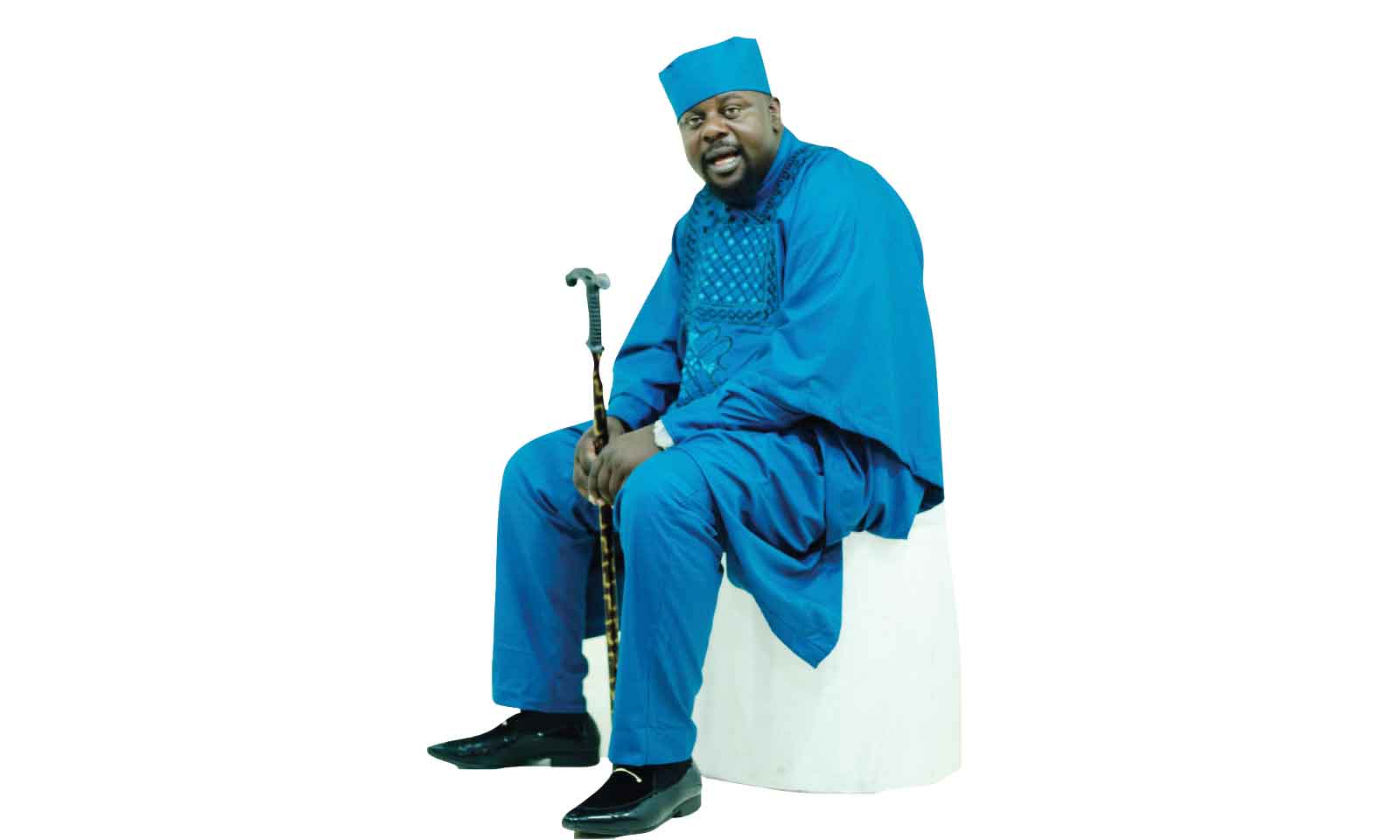
Trust Khosa
Lifestyle Senior Writer
Looking good is a universal desire, regardless of our status or ethnicity.
For many, dressing well is not only about being presentable and standing out but also holds profound significance in cultural and religious contexts.
In various communities, cultures and religions, attire serves as a form of expression, identity, and adherence to tradition.
In many African societies, traditional attire, for instance, is celebrated for reflecting the history, values and heritage of a community.
Religious garments are often required for rituals, adding to the sacredness of the occasion — such as robes in Christianity and hijabs in Islam.
In Zimbabwe, there are individuals who uphold these norms while others appear indifferent.
It is now common to see men and women wearing Islamic headwear, often referred to as hijab, which embodies modesty and faith for both genders, with styles varying widely by culture and interpretation.
In some unfortunate instances, drunken individuals have donned Vapostori attire in pubs, which many view as disrespectful to other people’s religious beliefs. On a lighter note, cricket enthusiasts have found humour in wearing Vapostori robes during matches, notably during the Zimbabwe vs India game at Harare Sports Club in 2024. However, some did not appreciate seeing these fans in white robes clutching clay pots and holding sacred rods valued in this religion.
In Matabeleland, headbands are not merely a fashion statement as they carry significant meaning for those who wear them.
Similarly, the red and black cloth known as muchira weretso is associated with spiritualists and faith healers, emphasising the deep connections between clothing and cultural identity.
Zimbabwe’s senior national men’s soccer team and Scotland FC superfan, Richard “Chemhofela” Sunde, who comes from a strong Muslim background, told The Herald on Saturday Lifestyle, that he was proud of his roots.
“I was raised in that culture (Islam), and I understand its religious values and significance,” he said.
“My heart bleeds for those who treat it as merely fashion; they should know that they are undermining other people’s religions. People should consult first before donning those gowns, which carry significant meaning in our religion.
“It is my wish that people come to understand these things before undermining others’ beliefs by wearing those gowns and headgear popularised by Muslims.”
He urged revellers to refrain from their shenanigans while wearing hijabs.
“There is nothing wrong with respecting other people’s religions, and it’s that simple.”
However, Sheikh Ishmail Duwa, president of the Supreme Council of Islamic Affairs in Zimbabwe, noted that there is nothing wrong with people wearing those robes in bars or other places where indecency occurs, stating that Allah is the one who punishes.
“As Muslims, we don’t have a specific uniform; we simply call for decency,” he stressed. “We urge our members to dress properly and not to resort to body-hugging outfits if they are ladies. Those hijabs do not make one a Muslim because there are also Christians who wear that attire, especially in places like India and the United Arab Emirates among other nations. We believe that only Allah can punish people, and it’s not our duty to judge.”
He encouraged people to celebrate joyfully and not to judge one another.
Radio personality Phathisani Sibanda, known for popularising the Zulu and Ndebele headband called umqhele, stressed that this attire has various cultural significances. Although it is typically worn during traditional ceremonies such as weddings, symbolising strength, pride, and cultural identity, Phathisani shared that it was also popularised by pantsula or township dancers, though many see it merely as fashion.
“I became familiar with it in the ghetto, where it’s called Icuka eloxion, properly spelled as icuka elokshini in Zulu slang. This gear is associated with hustlers, and I’ve noticed that some people wear it without being aware of its meaning,” he shared.
However, he stated that he has no issue with people wearing it without understanding its significance, which means a lot to those who do.
“People have the freedom to choose how they dress, and who am I to stop them?” he said.
Weighing in on this discussion, Johanne Masowe Kubata kweVapostori Faith Church leader Madzibaba Strive Masango criticised those who misbehave while donning white robes.
“Some people easily invite trouble for themselves, especially those who drink and smoke while wearing our robes,” he stated. “We have not taken steps to address this issue, but I only know that God will punish those who misbehave or engage in wayward behaviour while wearing our robes. I don’t know where people find the courage to behave this way, and only time will tell, to say the least.”
The affable man of God suggested that it is never too late for people to repent.
“People need to reform now, or God will punish them.”
Cricket fan Stephen Mawoyo believes there is nothing wrong with wearing white robes during matches, as it is part of worshiping God and supporting His talent.
“I don’t see the fuss about people speaking ill of our behaviour because we are cheerleaders who have brought fun to the nation. Instead of applauding us for being innovative, I’m surprised that we are now regarded negatively, which is unfair,” he said.
Over the years, we have seen cultural icon Albert Nyathi and his son Xolisani donning animal skins, which has been accepted as a positive expression.
A new gospel artist from the Vapostori, Obvious Guvakuva, dresses like Nigerian chiefs or wealthy businessmen, and he is proud of it.
Research has shown that certain events, such as weddings and funerals, require specific attire that signifies the occasion’s importance. Each culture has symbolic meanings attached to colours and patterns, influencing attire choices for example white for mourning in some cultures.
In that context, dressing is not just a necessity; it is a complex interplay of identity, spirituality, tradition, and social structures within cultural and religious frameworks.
Proper attire can enhance community bonds and individual expression, making it a significant aspect of the human experience.
In Zimbabwe, this new narrative has been shaped by daring fashion enthusiasts who defy conventions.
With the winds of change, many critics believe it is high time people mind their own business instead of clashing with others over dressing. However, some communities continue to uphold their culture and customs through simple things like attire.
It ultimately depends on individuals to make their own choices about where and when to wear their chosen outfits without interfering with other people’s religions.



