

 admin
admin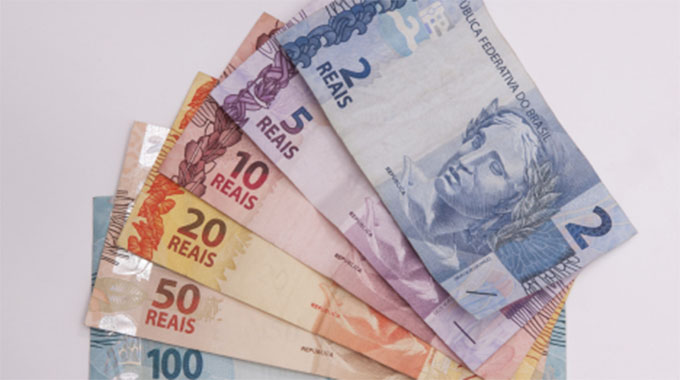
China and Brazil have reached a deal to trade in their currencies, the AFP reported, citing the Brazilian government on Wednesday.
The deal will allow China and Brazil to carry out trade and financial transactions directly in the Chinese yuan or the Brazilian reais, instead of using the US dollar as an intermediary.
“The expectation is that this will reduce costs . . . promote even greater bilateral trade and facilitate investment,” the Brazilian Trade and Investment Promotion Agency (ApexBrasil) said in a statement.
As China is Brazil’s biggest trading partner recording a record $150.5 billion in bilateral trade in 2022, it goes without saying that the deal comes from needs related to strong momentum of bilateral trade between the two countries.
But more importantly, from the perspective of the global monetary system, the move may mark a significant development of the trend toward de-dollarization across the world, as countries are trying to trade in non-dollar currencies and seeking to diversify their foreign exchange reserves.
With the Bretton Woods system and the petrodollar system, the dollar has evolved from a dominant payment, settlement and investment vehicle into a tool of political blackmail and coercion. By weaponising its dollar hegemony, the US can not only arbitrarily impose unilateral sanctions on other countries, but can also harvest global wealth and export its own risks to the rest of the world through irresponsible monetary policies. But every hegemonic currency system has its day of collapse. It is not Russia, China, India or any other country, but the US itself that sets off the inevitable trend of the end of the dollar dominance, which may be what many American strategists and economic pundits are worried about. – Bloomberg



 Online Reporter