admin
admin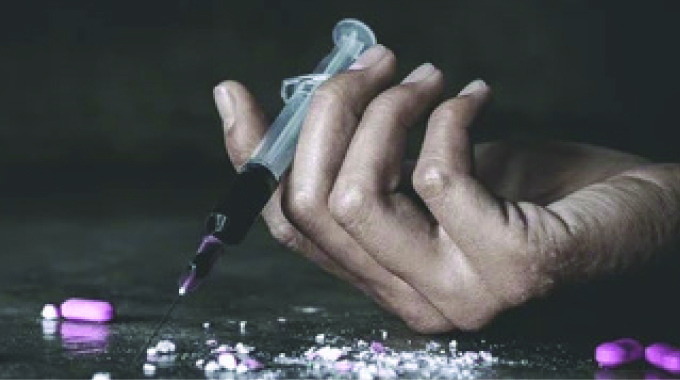
Musawenkosi Moyo
SOMETHING deadly and mysterious linked to drug abuse is gripping the streets of Bulawayo.
The alarming trend has sparked widespread concern among residents and authorities alike as the city grapples with an escalating public health crisis. A disturbing practice of drug use, locally known as “blue-toothing” or “hot-spotting,” has emerged.
This involves injecting blood from one intoxicated person into another using a shared syringe. The practice, which is believed to have started around 2010 in Mexico and recently in the past two to three years become popular in South Africa, has made its way to the streets of Bulawayo.
This dangerous practice is rapidly escalating into a major crisis in Zimbabwe, jeopardizing efforts to combat both drug abuse and HIV and Aids. According to Norris Pikanegora (44) director and substance counsellor for Harbit Experts Rehabilitation
Centre in Bulawayo this latest trend is extremely concerning as it causes irreversible medical problems.
“Blue-toothing is very dangerous because you can be infected with different diseases such as HIV, hepatitis and other dangerous infections which can be life-threatening. Most of the drug users do not care about the medical status of the individual whose blood they are taking to become high, they only care about getting high which is quite dangerous,” he said.
He also stated that the number of youths using “flash blood” has risen largely due to the fact that the blood which is sold inside small sachets costs about R10 or more depending on the quality of the drug taken by the owner of the blood and the size of the sachet, making it very affordable for those who could not buy the actual drug.

“Different drugs give people different reactions so it would cost less to buy from someone high on marijuana than a person high on crystal meth. Drug dealers will also exploit the people whose blood they sell by manipulating them with the promise of a fix then keeping them in their homes to get their blood and sell it to other people,” explained Pikanegora.
He also said that drug lords who sell this blood are difficult to identify because they normally sell to customers that they have known for a long time and not just anyone who approaches them.
Pikanegora said that communities can combat these trends by seeking help for people suffering from drug problems and ensuring that youths are well educated on the dangers of drug abuse.
He stated that organisations have to work together to come up with a stronger and more effective response to these trends such as blue-toothing which are spreading quickly and becoming extremely dangerous.
Dr Tariro Mudadada, a medical practitioner, warned that drug users sharing unsupervised syringes and needles were at risk of contracting life-threatening bacterial infections.
“Syringes need to be disposed of after use however, with most recreational users the syringes tend to be used continuously which leaves them vulnerable to dangerous infections such as bacterial infections which can lead to more dangerous conditions such as septicaemia and sepsis which if left untreated causes death,” he said.
He also stated that the practice of sharing blood between individuals can leave them vulnerable to contracting HIV and hepatitis which have lifelong consequences. This trend comes at a time when the government launched a multi-sectorial drug and substance abuse plan to mitigate the scourge of substance abuse across the country.
Meanwhile, the problem of drug abuse has continued to present a significant problem to communities in Bulawayo, especially the newer trends that can turn even the simplest of objects such as bulbs, soap and coughing syrup into a dangerous tool used to become intoxicated.
Recently, a disturbing revelation emerged about students allegedly drying and scraping bath soaps, mixing the scrapings, and rolling them into paper to smoke as a method of getting high.


 derick.khumalo