


 tawandamusarurwa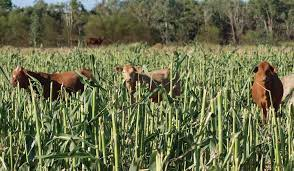
Word from the Market with Tinotenda Mudhebha
NITRATE poisoning is a common condition in animals. It occurs when they consume excessive amounts of nitrate or nitrite-containing feed or water.
Nitrate poisoning occurs when nitrate is converted to nitrite in the rumen, before being absorbed into the bloodstream. Nitrite binds to haemoglobin in the blood and reduces the oxygen-carrying capacity.
This can cause severe health problems and even death, if not treated promptly.
Causes of nitrate poisoning
This form of poisoning can occur in animals that consume feed or water contaminated with high levels of nitrate or nitrite. The most common sources of nitrate in animal feed are fertilisers, manure and plant material such as grass and hay. High-nitrate plants such as sorghum, Sudan grass and corn are also a common cause of nitrate poisoning in animals.
Signs and symptoms
The signs and symptoms of nitrate poisoning can vary depending on the severity of the condition. In mild cases, animals may exhibit lethargy, weakness and loss of appetite. In moderate cases, livestock may experience laboured breathing, rapid heart rate and blue or brown mucous membranes.
In severe cases, animals may collapse, convulse and die.
Prevention
Preventing nitrate poisoning in animals involves managing the source of nitrate and monitoring the nitrate content of feed and water sources.
Reducing the amount of nitrate in animal feed can be achieved by avoiding the use of high-nitrate plants, limiting the use of nitrogen-based fertilisers and ensuring that manure is properly managed and disposed of.
Additionally, providing animals with access to clean water sources and monitoring nitrate levels can help prevent nitrate poisoning.
Solutions
If an animal is suspected of nitrate poisoning, immediate veterinary attention is necessary. Treatment may involve administering methylene blue, which converts the toxic nitrite to non-toxic methaemoglobin.
In severe cases, oxygen therapy or blood transfusions may be necessary.
However, the best solution is to prevent nitrate poisoning from occurring in the first place by implementing proper management practices.
In conclusion, animal nitrate poisoning is a serious condition that can have severe health consequences for animals. Prevention is key in reducing the likelihood of nitrate poisoning, and proper management practices can help reduce the risk of exposure to high levels of nitrate in feed and water. If an animal is suspected of nitrate poisoning, immediate veterinary attention is necessary to ensure prompt treatment and prevent further health complications.
Tinotenda Mudhebha is an animal scientist. Word from the Market is a column produced by the Agricultural Marketing Authority (AMA) to promote market-driven production. Feedback: [email protected] or WhatsApp/Call +263781706212.



 Online Reporter
 Bongani Ndlovu