admin
admin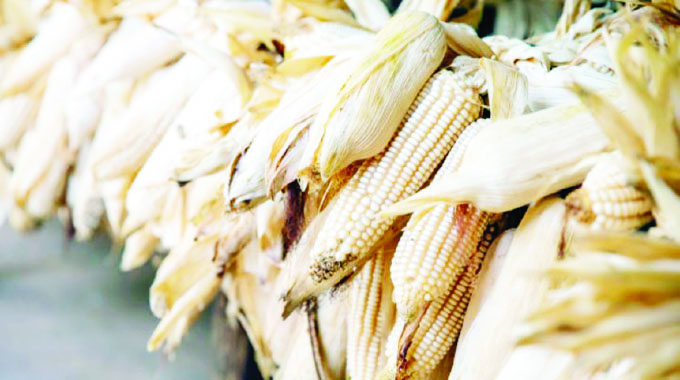
Yemurai Dyakonda
THE delay in rainfall year has had a significant impact on farmers in all the regions of Zimbabwe who rely on rain-fed agriculture to sustain their livelihoods.
The timing of rain is critical for farmers, as they must plant their crops during the optimal window between October and April.
The rains have not arrived on time, leaving many farmers uncertain about the future.
Maize Association of Zimbabwe spokesperson, Shereni Potsayi, said they were expecting the rains weeks ago, but there was still no sign.
“We do not know what to do now because it is already getting late and 60 percent of maize farmers depend on the rains.
“Farmers depend on rain-fed agriculture, and the delays in rainfall is going to affect the 2023-2024 season from planting to harvesting.
“Our income is at stake and we hope that the rains will come soon. I believe this is a wake-up call to all farmers to move to irrigation systems.
“The climate change, including delayed rainfall and extreme weather events, continue to threaten farmers’ livelihoods worldwide,” said Potsayi.
Climate change expert, Moses Makoni, said climate change is real and the delay in rainfall is just one of its many impacts.
“Climate change is causing more frequent, unpredictable weather patterns that are putting agriculture at risk and we encourage farmers to cope with the climatic changes.”


 Online Reporter