admin
admin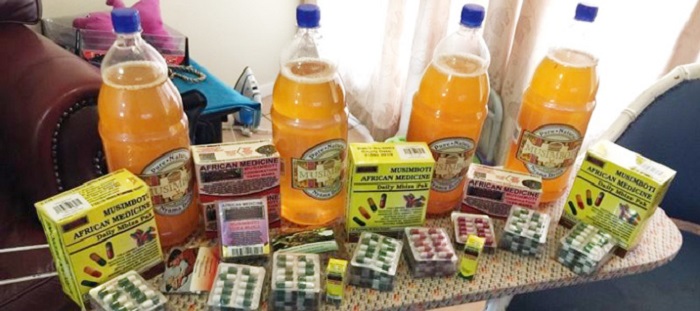
Nkosilathi Sibanda
HERBALISTS have suffered a lot of prejudice in communities. Their legitimacy in the existence and survival of the human race is shrouded with misconception.
In part this emanates from the colonial rule. Traditional healers were regarded as a band of outlaws. Cast as handlers of black magic, traditional healing practice struggles for space in a society that is surviving on modern medicine.
In debates to do with the popularity of both forms of medicine, herbal remedies are seen as an alternative to the preferred modern remedies. Contemporary medical science is the a�?a�?in thinga��a��.
A pack of painkillers from the pharmacists is better than a plastic full of brown leaves and pounded roots.
The bitter pill, though, that the modern black person has to swallow is that no matter how we deny, traditional medicine is ubiquitous to almost every bustling neighbourhood in the city.
Hospitals and clinics might be the right place to be when one is a bit under the weather, but signs are there for all to see how traditional herbal remedies continue to be life-stuck.
Traditional remedies are still on demand and the numbers of people that visit herbalists do not lie.
All this will sound strange to anyone who grew up with a familiarity of injections, tablets and pills only. Newspapers are splattered with advertising the services of a powerful herbalist, healer or native doctor or astrologist.
Are traditional medicine doctors reclaiming their space in black communities? It might appear a walk by the street talk but reality shows how the scale has tilted toward the traditional side.
Sometimes these signs are hand painted, other times they are printed from a computers, yet all claim to verify the power of alternative medicine.
The initial reaction of most city dwellers is a quick judgment that herbalists are backward or superstitious. These well-to-do people conclude that traditional healers use black magic.
Clearly, this way of thinking very much conforms to what we have been exposed with Western medicine. Yet, from what we know, these medicines worked for our ancestors. Should the use of traditional herbs be surprising since many modern remedies are based on plant extracts and are still used today?
It has emerged that being young in Bulawayo is not all about being modern and following first world lifestyle trends.
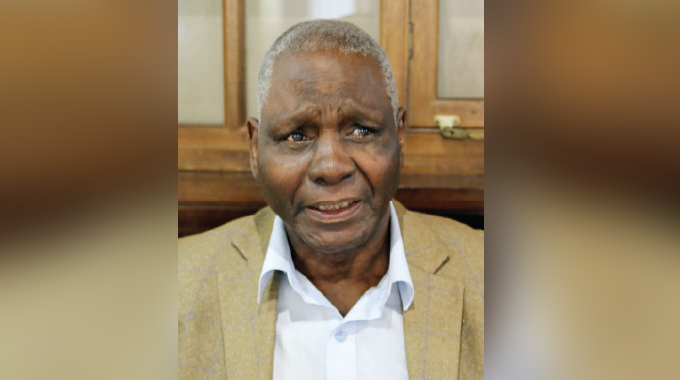
With the opening of a new trendy Musimboti traditional meals restaurant by corner 9th Avenue and Robert Mugabe Way, the way young people eat will change, according to sought after herbalist Morgan Zimunya who also runs the popular Musimboti traditional medicines.
Given the influx of young people who frequent the new eating joint, it goes to show that they are retracing their roots and more so in demand of traditional medicine.
The use of herbal treatment has long been a preserve of the elderly, usually labelled as a�?a�?old schoola��a��. If ever one encountered a young person seeking services of a traditional healer or herbalist, so great is the scorn they endure from their peers.
But that view is changing. The demand is stripping supply.
So few are the herbalists good at the trade, a situation that has had bonafide practioners cry foul over the increase in bogus healers.
Amidst the concern, a fresh market for the traditionalists has emerged. These are the young people between the ages of 19 to 36. For those that believe youth stretches up to 40, then that age group is partly on the consumers chart too.
These patients have earned a name for craving traditional medicine. They are called the herbal boom babies a�� largely so because of the swelling numbers of customers flocking traditional, medicine counters.
Zimunya attests that young people are becoming interested in traditional medicine more than ever.
Zimunya runs Musimboti shops, specialising in various African traditional medicines. He established his business in 1997.
He said there are several reproductive ailments that local communities have been handling and treating for ages such as sexual impotence and erectile dysfunction.
According to records, young people, especially women that consult Zimunya do so not for ordinary cases.
They also seek treatment for sexual enhancement, and immune system boosters. These are not the kind of problems associated with such a young age group, but Zimunya says it is a step in the right direction as people get to be in control of their health lifestyles.
a�?Musimboti is a combination of remedies that are suitable for anyone. We are having an interesting trend in our business of late. Young people constitute the bulk of people who seek our services. They seek consultation on issues to do with sex. When they come for the first time, they are shy to reveal their problem,a�? said Zimunya, who has since turned out to be the most sought after herbal medicine man in the country.
He attributes the demand for traditional medicine, food and therapy by young people as a change in lifestyle. He gives stern advice that traditional and modern medicines complement each other in the healing of the body.
a�?Young people must ask for advice from the wise. There is nothing wrong there. Herbal remedies such as Musimboti are the way to go if we are to speak about traditional medicine therapy.A� We have remedies like umgugudu, umganu and intolwane which can cure a lot of ailments. The young must know these and see the change brought by our products. They come in numbers and come back to me with positive testimonies, saying the medicine has changed their lives.
a�?If our forefathers used herbal medicine, who are we to shun it? In as much as we would want to encourage people to use herbal medicine, we also know the value and importance of going to hospitals. It must be known to all that Musimboti medicine and other herbal remedies also heal ailments such as malaria, ingubhane, diabetes and hypertension. If young people commit to traditional medicine treatment, I see a generation that will be free of some of these terminal diseases in the future,a�? he said.
The preference of herbal remedies over the laboratory drugs is not a choice for the black community. Zimunya says his Musimboti brands are in demand in the Diaspora as well.
Certified under the Traditional Medicine Practioners Association and guided by the Traditional Practionersa�� Act, most herbalists in the country are seen as complementing health institutions in the in provision of health care services.
a�?We do have white customers from as far as England and other places in Europe. At times we receive calls from clients who would have been referred by friends and relatives in Bulawayo.
a�?Traditional medicine has no colour or race lines. It is the kind of remedy that is prepared for human beings.a�?
Zimunya said upon realising that young people are increasingly interested in using herbs; they have concluded that there is a need to advocate for their use in primary health care.



 Online Reporter