admin
admin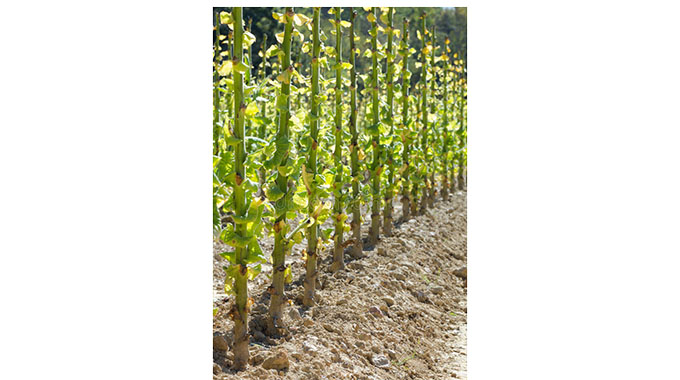
Monalisa Chikwengo
THE Tobacco Industry and Marketing Board (TIMB) has urged tobacco farmers to destroy stalks in their fields on or before May 15 of each year to curtail the spread of pests and diseases that could endanger the health of the next crop leading to loss of profitable earnings.
The Plant Pests and Disease Act (Chapter 19:08) makes it mandatory for farmers to destroy all living tobacco plants by the May 15 deadline as failure to do so would attract a fine.
“First-time offenders are subject to a fine of up to US$100 per hectare or portion thereof found with stalks, in which the offence is committed, a term of imprisonment of up to one year, or both. If the offence is committed again, both the fine and the jail time are increased,” TIMB Public Affairs Officer, Mrs Cheselani Tsarwe revealed recently.
Leaving tobacco stalks in the fields after harvesting can provide a breeding ground for pests and disease-causing organisms, which can then spread to other crops in the field and affect the quality and yields.
TIMB’s warning comes in the wake of a realisation that some farmers were deliberately ignoring the regulation to remove stalks from their fields before the set deadline. It is part of the country’s efforts to promote sustainable farming practices and protect the livelihoods of tobacco farmers and the rest of the tobacco industry.
“Tobacco stalks are a host for diseases and pests like nematodes and spider mites, hence destroying them starves the pests of food breaking their life cycles in the process, which helps reduce the risk of carrying them and diseases over to the next crop,” she said.
TIMB’s continued efforts to promote good agricultural practices and maintain the highest quality standards in the tobacco industry are essential for the long-term sustainability of this important sector.
“The stalks should be destroyed by first cutting the tobacco stems and burning them, then ploughing or disking the field to completely pull out roots from the soil. After two weeks of the first operation, re-disking can be considered,” she continued.
Tobacco stalks are a potent reservoir for pathogens such as Potato Virus Y and bushy top virus.
Management of these viruses and aphids is in line with the drive to maintain good agricultural practices (including stalk destruction).



 Online Reporter