peter
peter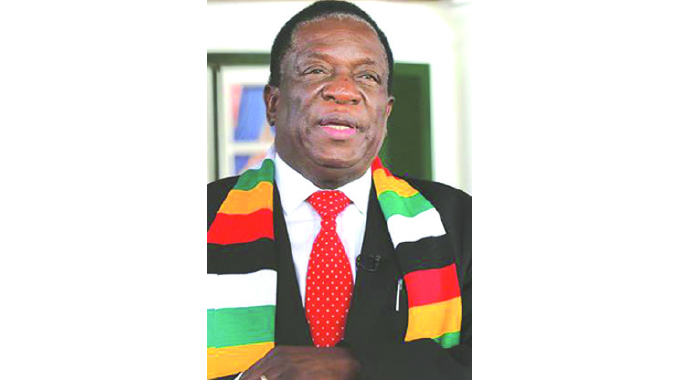
IN 2020, Government approved the Devolution and Decentralisation Policy which will guide the implementation of the Devolution and Decentralisation process whose objective is to devolve power to the sub-national structures to enable a faster, efficient and effective response to challenges of the delivery of public services, development, democracy as well as the imperative of sustaining national unity and peace.
“The devolution will not only involve transfer of political power from central Government to sub-national tiers of Government, but will also be augmented by the delivery of fiscal powers which will enable Provincial/Metropolitan Councils and Local Authorities to spearhead economic and social development in their respective jurisdictions using leveraged local revenues which will be enhanced by mandatory transfers of national fiscal resources to devolved entities,” reads part of the National Development Strategy 1 document.
The document goes further to spell out that “devolution is one of the values espoused in Vision 2030, upholding the tenets enshrined in the Constitution of providing for the devolvement of powers and responsibilities to competent Provincial/Metropolitan Councils and Local Authorities. Devolution seeks to make the system of governance community-based and people-centred by enhancing community participation in making decisions on local development issues that affect them and in the exercise of governmental powers, while upholding the preservation of national unity.
This signifies a new way of governance in the Second Republic where, decentralisation is a key feature and strategy for non-discriminatory and just governance as well as inclusive and transformative socio-economic development.”
And true to that, there has been massive development across the country with City Councils and Rural District Councils using money from central government via Devolution Funds to improve infrastructure for social services. Schools, clinics, roads and boreholes have been availed to the masses, all through money channelled via Devolution Funds.
The concept of devolution allows local communities to engage and outline their needs, some of which can be met from Devolution Funds. The funds have played a huge part, bringing relief to residents and villagers.
Last week, we reported that the Bubi Rural District Council has completed different developmental projects that have seen an improvement in the lives of people in the district as Devolution Funds are being used to bring services closer to the communities.
Recently, Bubi RDC together with local leaders from different wards met to discuss major projects completed with Devolution Funds as well as those that require attention. From the summary of disbursements since 2019, Bubi District has received $136,450 million from the Government and managed to complete more than 12 projects which include building classroom blocks at local schools and clinics as well as drilling boreholes.
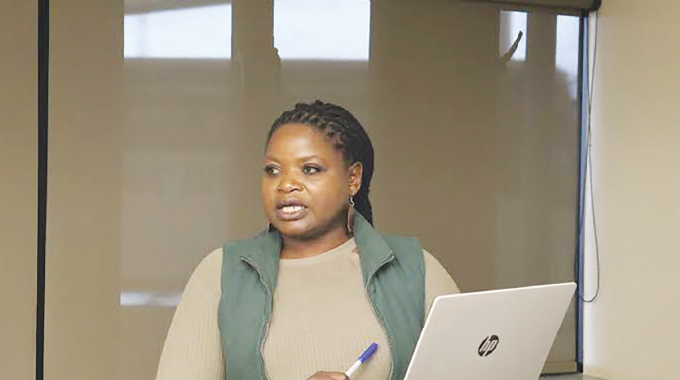
Member of Parliament for Bubi constituency said the meeting was organised by the RDC mainly to discuss how Devolution Funds were used and what needed to be done going forward.
“This meeting was organised by Bubi RDC mainly to look at how Devolution Funds have been used. Devolution Funds are public funds that are meant for development. We were looking at the projects that the council has done in Bubi District from 2019 to 2023.

We noticed that there is a lot of development. A lot of projects were done because when I was looking at the report more projects are now complete with only a few yet to be completed.
We receive Devolution Funds from the Government, after our President His Excellency Cde Mnangagwa actualised the concept to help us develop our communities in line with his philosophy of leaving no-one and no place behind. Without the funds, we were never going to build these schools and clinics,” he said.



 Online Reporter