admin
admin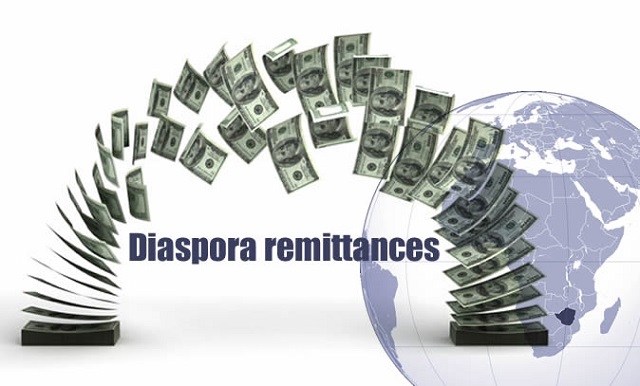
Acting Business Editor
ZIMBABWE received US$919 million in diaspora remittances in the first six months of the year, a 15 percent increase from US$797 million recieved during the corresponding period last year.
In his 2023 mid-term Monetary Policy Statement released on Wednesday, Reserve Bank of Zimbabwe (RBZ) Governor, Dr John Mangudya said international remittances through official channels amounted to US$1,433 million representing a four percent increase from US$1,371 million recorded in the same period last year.
“As at 30 June 2023, total international remittances through official channels amounted to US$1,433 million, an increase of four percent from US$1,371 million during the same period in 2022.
“Of the total amount, diaspora remittances amount to US$919 million, a 15 percent increase from US$797 million received during the same 58 period in the year 2022,” said Dr Mangudya.
He said of the total diaspora remittances received, 29 percent came from South Africa followed by the United Kingdom with 22 percent.
During the period under review, international remittances received through the normal banking system on behalf of International Organizations (NGOs) amounted to US$514 million, an 11 percent decrease from the previous year of US$574 million.
Dr Mangudya indicated that the total foreign inflows of US$5,6 billion in the period under review were against a total of foreign payments of US$4,4 billion, resulting in net foreign currency inflows of US$1,2 billion.
“This, coupled with restrictive monetary policy further testifies to the soundness of the economy’s external and monetary fundamentals that are envisaged to sustain favourable exchange rate and inflation dynamics in the short to medium term,” he noted.
Dr Mangudya indicated that Authorised Dealers processed foreign payments amounting to US$4,39 billion.
This represented a 14.8 percent increase from US$ 3,83 billion recorded for the same period in 2022. He said the upward trajectory in foreign payments shows the increased capital absorptive capacity as the economy grows.
“The foreign payments were mainly towards capital and raw materials/intermediate goods, and this has gone a long way in enhancing industry capacity utilisation.
“Also, of significance are foreign payments for fuel that have continued to increase driven by domestic demand thereby offsetting the positive impact of the decline in global energy prices.”



 Online Reporter