Moffat Mungazi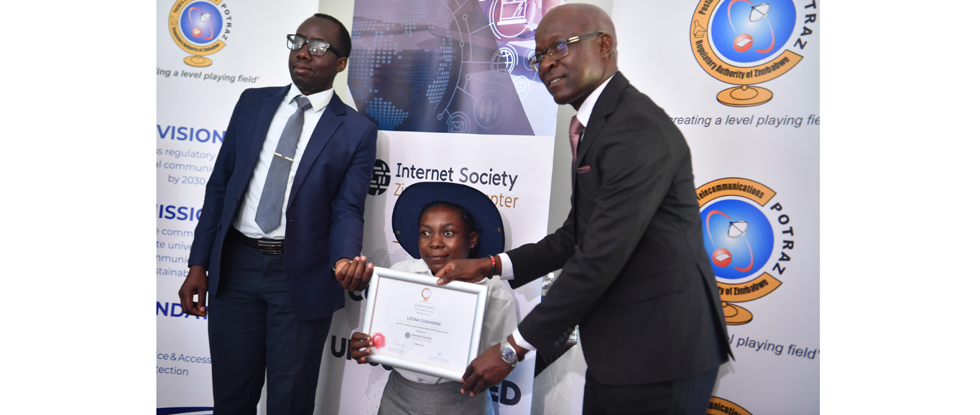
Ray Bande
Senior Reporter
ITAI Mazuru is a prominent figure in Mutare’s Sakubva high-density suburb, widely known for his activism as a Person Living with Disability (PLWD).
His experience has given him a unique perspective, and those familiar with him often describe him as a complex, outspoken individual with strong convictions.
That being said, Mazuru’s critics may not fully comprehend the depth of his experiences and emotions as a person living with disability, as well as the shared struggles he has witnessed among fellow individuals with disabilities.
Mazuru shared his concerns, saying: “I have witnessed some ‘helpers’ of people living with disabilities deleting text messages, including Ecocash transfer confirmations, simply because the individual struggles to use their mobile phone. As a result, they are often misinformed and left with no recourse.”
He further highlighted the challenges faced by PLWDs in accessing digital tools.
“Many of my fellow PLWDs struggle to use computers and other digital appliances, leading to a loss of interest in learning due to limited access and poverty. It is a painful reality,” he said.
While this persists, statistics from the April 2022 Census revealed that 1,2 million people in Zimbabwe have varying challenges performing physical activities, while 192 000 have permanent disabilities.
Presenting the 2022 Population and Housing Census preliminary report on functional difficulties back then, former Zimbabwe National Statistics Agency director-general, Mr Taguma Mahonde said the statistics help Government on policymaking.
“The census adopted the six main functional domains of difficulty of the Washington Group on Disability Statistics, namely seeing, hearing, walking or climbing stairs, remembering or concentrating, self-care and communication.
“The figures are critical to policy formulation so that critical interventions can be made. They are important for policy formulation. From here, we will be calling for papers for in-depth analysis. What will be more helpful is interventions to assist those with difficulties. These figures relate much to healthcare services. Some of these can be corrected,” he said.
Mr Mahonde outlined that illness was the major underlying cause of difficulty in self-care, accounting for 35 percent, while being born with difficulty was the main cause for difficulty in communication, accounting for 43 percent.
Against this backdrop, the Postal and Telecommunications Regulatory Authority of Zimbabwe’s (POTRAZ)’s initiative to provide advanced digital training to People Living with Disabilities (PLWD) is crucial for improving the country’s digital literacy rates.
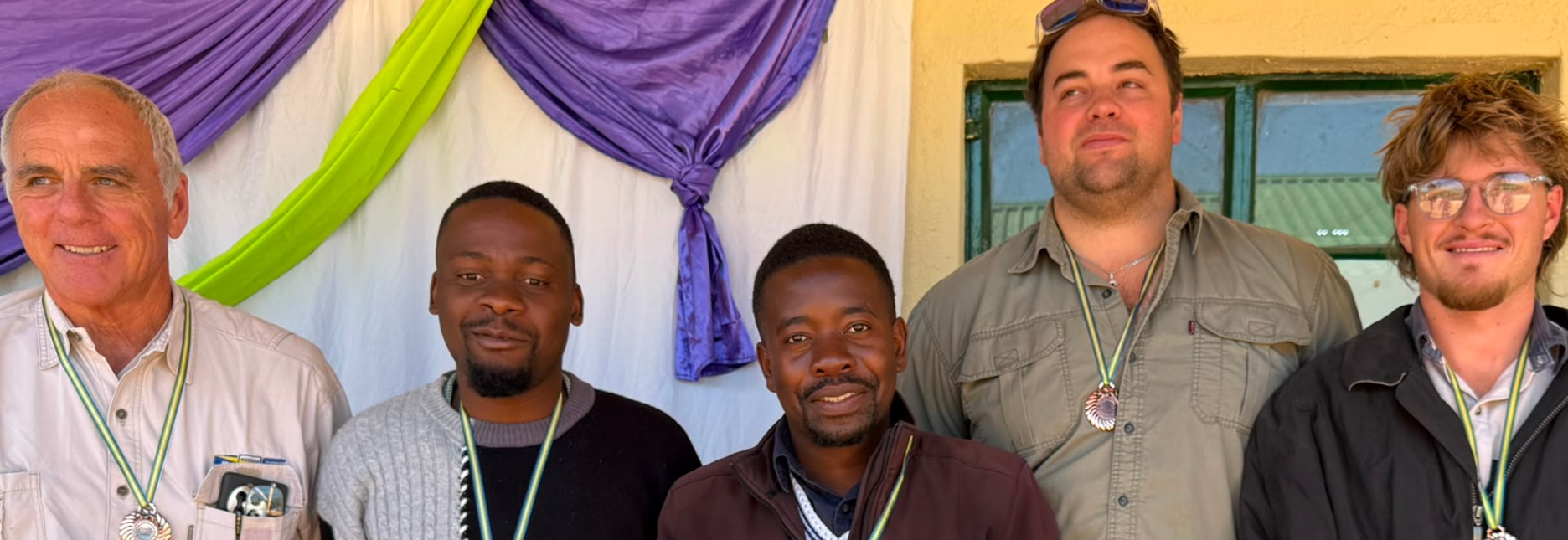
Last Friday, a total of 35 people living with disabilities received advanced digital skills training in Nyanga under POTRAZ.
It even becomes more important when one considers that Zimbabwe’s digital literacy rates are currently quite low, with significant disparities between urban and rural areas.
After all, in January 2025, Zimbabwe’s internet penetration rate was 38,4 percent, leaving a significant portion of the population offline.
While internet penetration is increasing, it remains a fact that a large portion of the population remains offline, especially those living with disabilities.
Furthermore, lack of digital literacy skills among learners and teachers hinders the effective use of digital technologies in education, let alone among those living with disabilities.
PLWDs largely find it increasingly difficult to access Information and Communications Technology (ICT) skills due to lack of resources.
Thus, Article 21 of the United Nations Convention on the Rights of Persons with Disabilities urges member States to accept and facilitate the use of all accessible means, modes and formats of communication of choice by persons with disabilities in official interactions, including ICTs.
Mr Taurai Chako, the lead consultant with the Disabilities and Development Pathways, said to achieve Vision 2030, Government should ensure that people with disabilities are not left out in the adoption of technology.
“Technology has become the Vision 2030 accelerator, and if Government is to achieve this, it has to ensure that no one is even left an inch behind. It is costlier to leave PWDs than to create an inclusive environment for all so that we move forward together,” said Mr Chako.
Signs of Hope Trust director, Ms Samantha Sibanda urged Government to look into subsidising internet data to promote access to information for people with disabilities.
“As we speak, data charges have a flat fee for all, which might, in turn, be prohibitive to PWDs. We would like a scenario whereby PWDs get subsidised data. This will encourage and promote the use of ICTs,” said Ms Sibanda.
ICTs for people with disabilities include the use of assistive technology, which provides assistive and adaptive devices that help people with disabilities engage in various activities.
Assistive technology includes communication boards, computer screen reading software, wheelchairs, pencil grips and spell-checking software.
POTRAZ executive director USF, Postal and Courier Services, Mr Kennedy Dewera said: “We are committed to continue supporting this programme of digital inclusivity, covering people living with disabilities. To this end, we will continue allocating resources towards this initiative. This is something that we are doing in line with President Mnangagwa’s mantra of leaving no person and no place behind. PLWDs must be included in gaining digital literacy.”
The 35 participants, who are living with various forms of disabilities, were drawn from Manicaland and Mashonaland Central.
Mr Tobias Mdlozera, who is the Rushinga District chairperson for the National Council of Disabled Persons of Zimbabwe, said: “We are truly grateful to POTRAZ for supporting President Mnangagwa’s mantra – of leaving no place and no person behind. We hope to make full use of the skills acquired here as we go back to our respective bases.”



 Online Reporter